DOJ opens review after newsroom analyses find dozens of FBI Epstein interview records missing
The Department of Justice launched a review after multiple newsrooms found dozens of FBI interview records absent from the Epstein Files release, raising fresh congressional scrutiny.
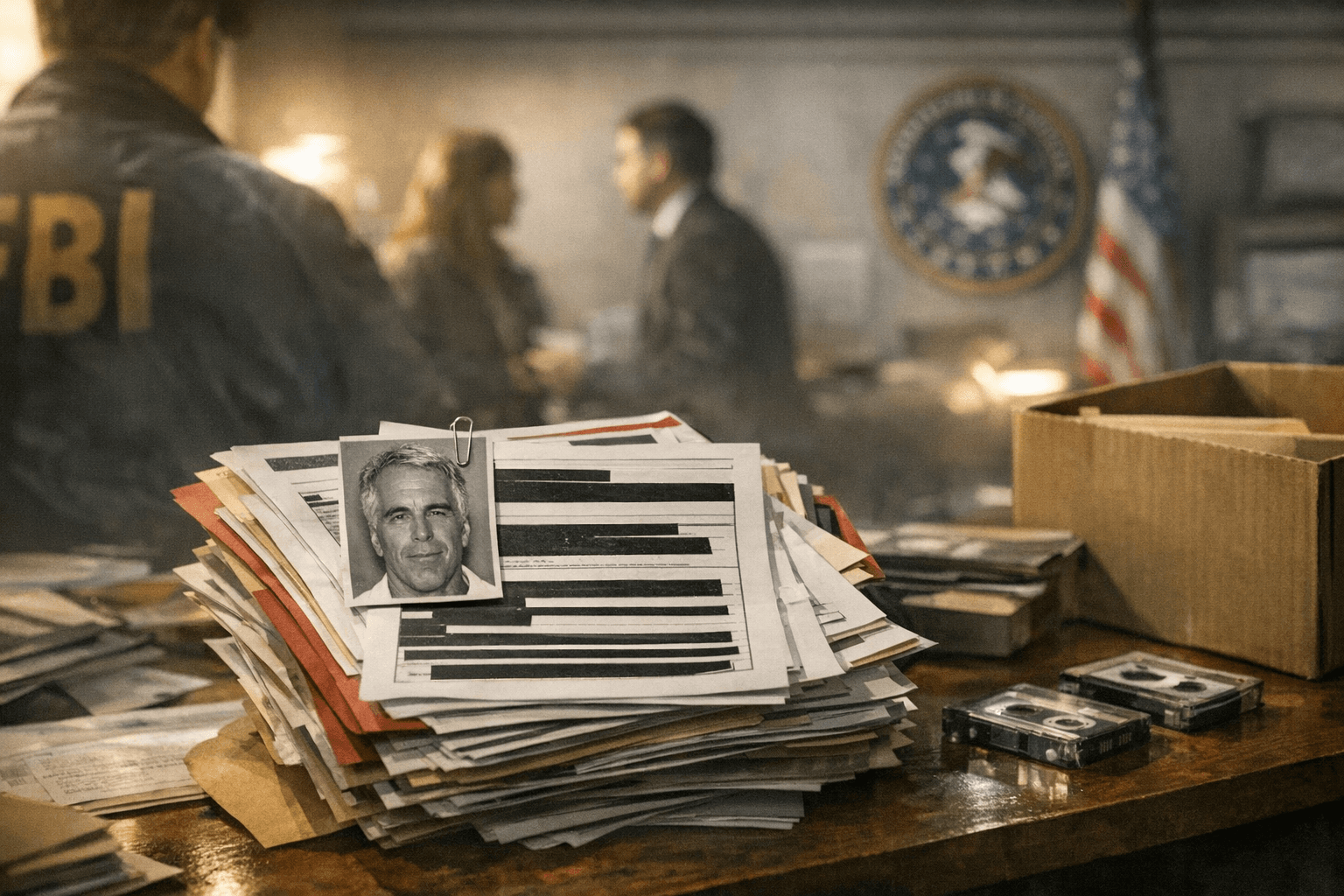
The Department of Justice launched a review on Feb. 25 after multiple U.S. news organizations’ analyses found dozens of FBI interview records missing from the trove of materials the department had released under the Epstein Files Transparency Act. The discovery has prompted renewed congressional scrutiny of the agency’s handling of sensitive materials and intensified demands from survivors for a full accounting of what the government has preserved and what it has disclosed.
The trove was released as part of a legal and political push for transparency into the federal response to Jeffrey Epstein’s trafficking network. Newsroom comparisons of the publicly released files against previously known indices and court submissions identified gaps concentrated in FBI interview records, documents that often contain witness statements, investigators’ summaries, and factual details that shape prosecutions and civil litigation. The missing records amount to dozens of files, according to the newsroom analyses; the Justice Department said it would review the release to determine the scope and causes of any omissions.
The immediate consequence is twofold: lawmakers who sponsored the transparency measure have signaled they will press the Justice Department for explanations, and survivors who sought clarity through the law now face renewed uncertainty about whether key investigative steps were preserved in public record. The absence of those records complicates efforts by victims pursuing civil claims, by researchers documenting systemic failures, and by policymakers seeking evidence to guide reforms aimed at preventing exploitation by powerful actors.
Missing interview records also have broader civic implications. The Epstein case has been a focal point for critiques of unequal accountability, with allegations that wealth and influence shielded alleged perpetrators from full scrutiny. When government repositories of investigative records are incomplete or opaque, public confidence in federal oversight erodes and marginalized survivors, often less able to navigate complex legal systems, are further disadvantaged.
Department officials framed the review as an effort to determine whether the gaps reflect technical errors, processing mistakes, or legally permissible withholdings. Legal experts and transparency advocates caution that administrative reviews should be accompanied by independent oversight to ensure objectivity and to restore trust. Congress now faces pressure to consider measures that would strengthen record-keeping standards, set clearer timelines for releases, and mandate independent audits when transparency laws are implemented.
Beyond procedural fixes, advocates emphasize the human toll. Access to records matters not only for legal remedies but for the psychological recovery of survivors who have sought recognition and institutional acknowledgment of harm. Public disclosure can also illuminate patterns of neglect or misconduct within agencies, informing training, resource allocation, and community-based services for survivors.
The Justice Department’s review will determine whether additional documents must be released or whether some files were properly withheld under applicable statutes. Meanwhile, congressional offices and advocacy groups are preparing to press for swift action and greater clarity on the record preservation practices used in this high-profile matter. The episode underscores that transparency laws, while critical, depend on robust implementation if they are to deliver accountability and serve the communities most harmed.
This article was produced by Prism’s automated news system from verified source data, official records, and press releases, then run through automated quality and moderation checks before publishing. The system is built and supervised by the people who set the standards it runs under. Read our full AI policy.
Did this article answer your question?