DOJ Subpoenas Intensify Antitrust Scrutiny of Paramount, Warner Bros. Discovery Merger
DOJ subpoenas target the $110B Paramount-Skydance deal for Warner Bros. Discovery, signaling federal enforcers won't let Hollywood's biggest merger in decades pass without a fight.
At $110 billion, the proposed union of Paramount-Skydance and Warner Bros. Discovery was always going to attract scrutiny. Now it has drawn subpoenas.
The U.S. Department of Justice issued compulsory legal demands as part of a formal antitrust inquiry into the blockbuster deal, according to three people familiar with the matter. The subpoenas seek detailed materials on how the merger would affect studio output, content rights, competition among streaming services, and the health of the theatrical ecosystem, a scope that signals regulators are conducting deep, original investigation rather than a cursory review.
The DOJ's antitrust division characterized the subpoenas as a standard investigative step, compelling document production and testimony without presaging a specific outcome. But the escalation substantially raised the probability that enforcers will press for remedies or, in a worst case, challenge the transaction in court if they find competitive harm. Investors who had been tracking the deal closely reassessed both deal risk and the timeline to closing in response to the news.
The subpoenas specifically request information about content licensing, predicted studio output, streaming rights, and how the combined company would negotiate with distributors and theater chains. That last point sits at the heart of the DOJ's concern: a merged Paramount-Skydance and Warner Bros. Discovery would control an enormous library of film and television content, giving it significant bargaining leverage over streaming platforms, cable distributors, and exhibitors alike.
The acting assistant attorney general overseeing the antitrust division said recently that large media transactions would not receive fast-track approvals and would be scrutinized carefully. The DOJ's action indicates that pledge was not rhetorical.
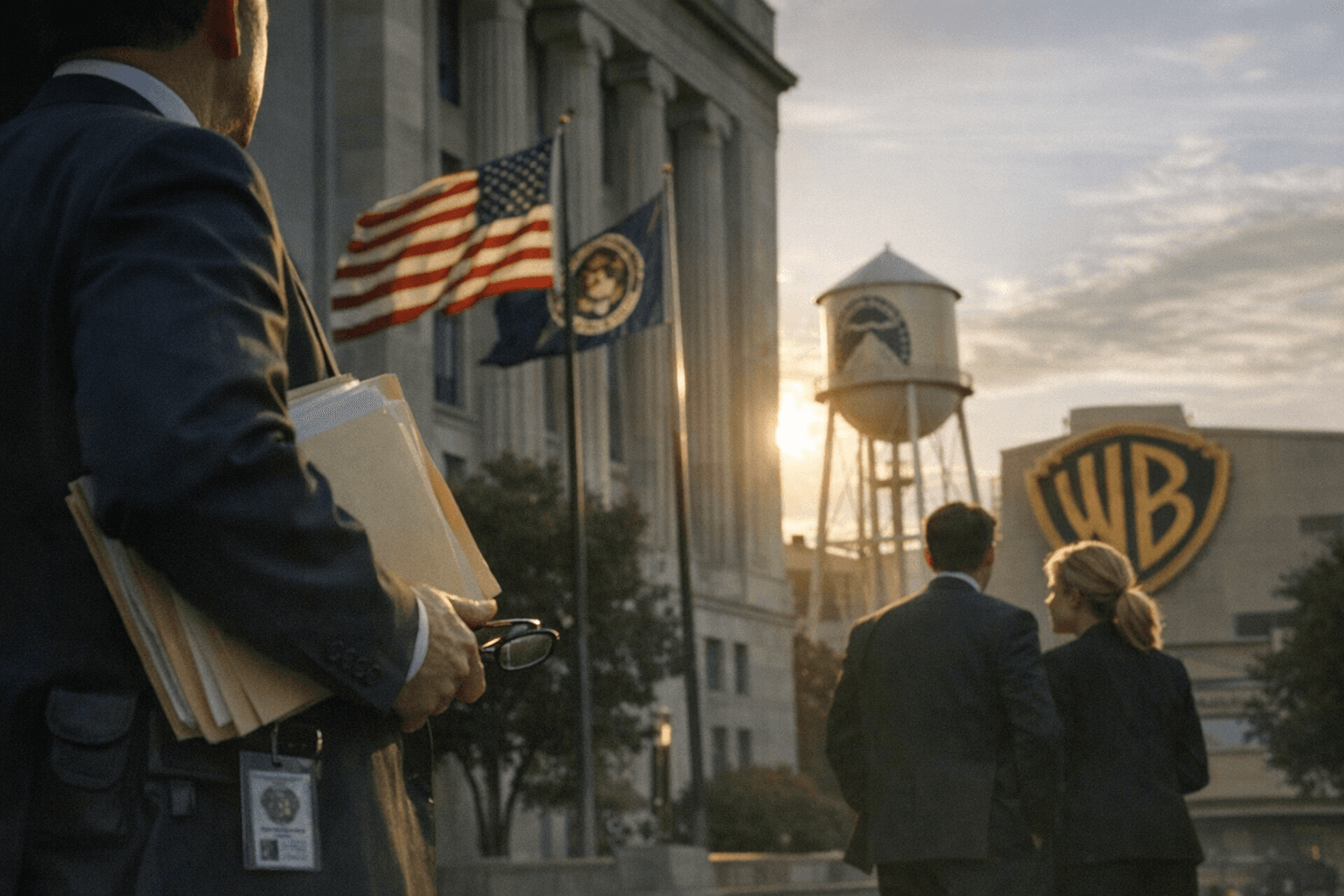
The domestic probe adds a significant hurdle to a deal already under international review. Regulators in the European Union and Canada were already examining the proposed transaction before the DOJ moved to compel document production, and the U.S. action amplifies pressure on both parties to address competitive concerns across multiple jurisdictions simultaneously.
Paramount-Skydance had previously told investors and regulators it expected multiple reviews and potential remedies, with executives saying they were prepared to engage with antitrust authorities. The companies retain several options if the DOJ intensifies its challenge: negotiating concessions, offering divestitures, or contesting any enforcement action in court. None of those paths leads to a fast close.
Critics of the deal have argued that larger consolidated studios could reduce content output, prioritize safe franchise economics over riskier original projects, and exert undue leverage in licensing negotiations with rivals and platform partners. Supporters counter that scale is necessary to compete with well-capitalized global streamers and to finance the high-budget productions that now anchor the theatrical calendar.
If the agency concludes the combined entity would substantially lessen competition, it could sue to block the deal outright or seek structural and behavioral remedies. The inquiry is the clearest signal yet that antitrust enforcers intend to scrutinize the actual competitive effects of this merger rather than rely on theoretical models, and that Hollywood's biggest consolidation bid in decades will not close on anyone's preferred schedule.
This article was produced by Prism’s automated news system from verified source data, official records, and press releases, then run through automated quality and moderation checks before publishing. The system is built and supervised by the people who set the standards it runs under. Read our full AI policy.
Did this article answer your question?

