DOL centralizes tipped minimum wage rules for restaurant workers
The Wage and Hour Division page consolidates federal and state rules on tipped wages, tip credits, and recordkeeping. It matters for payroll compliance and servers' take-home pay.
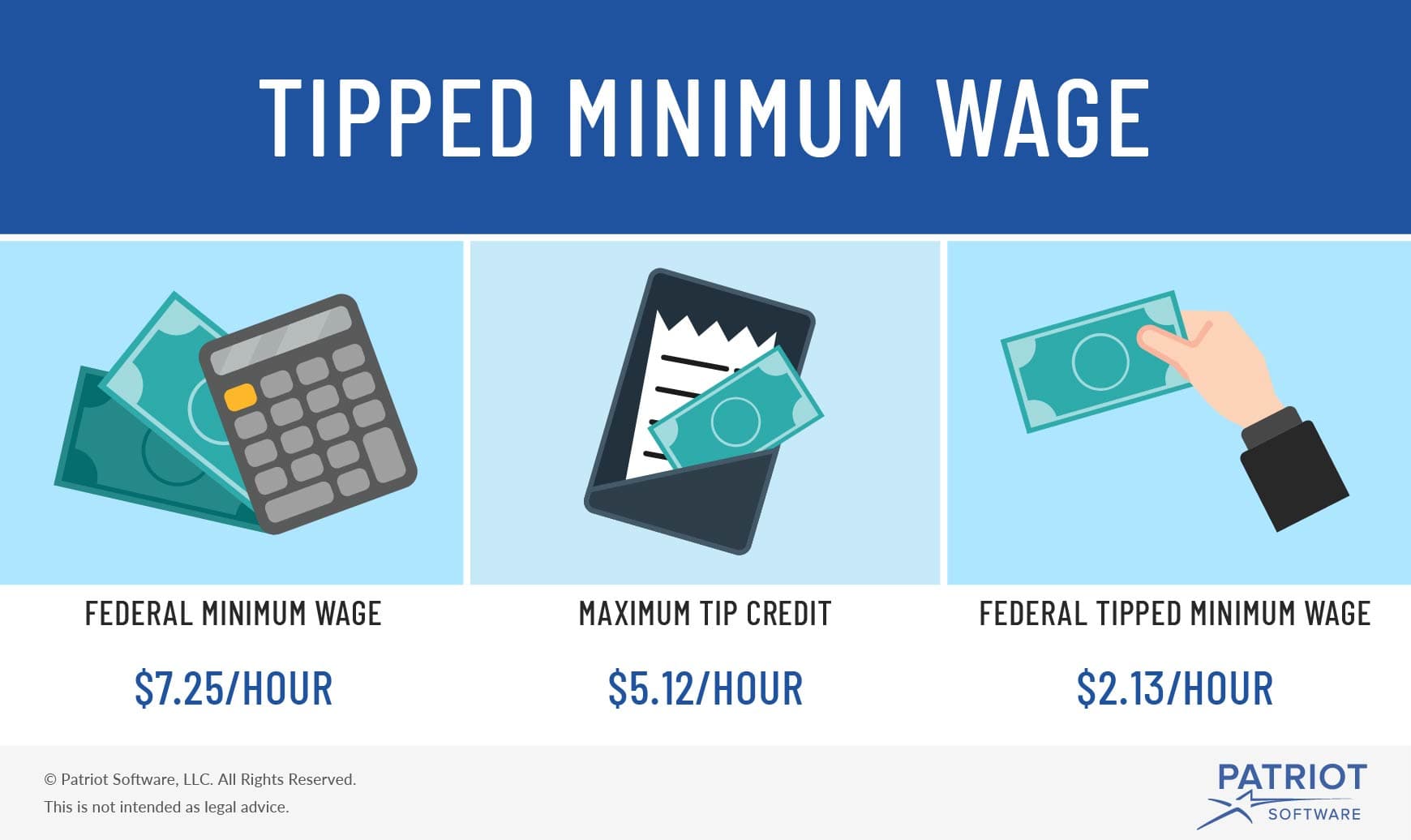
The Department of Labor's Wage and Hour Division now offers a single reference page that compiles federal and state information on minimum wages for tipped employees, a move that brings clarity to a complicated payroll area for restaurants. The page lays out the combined cash and tip minimum wage, the maximum tip credit employers may take, and the minimum cash wage that must be paid to tipped workers in each jurisdiction, plus links to related bulletins and fact sheets on obligations under the Fair Labor Standards Act.
For restaurant owners and managers, the value is practical. The table lets payroll teams quickly compare their state rules against the federal baseline and determine when and how a tip credit may be applied to front-of-house pay. For servers, bartenders, hosts, and other tipped staff, the resource highlights whether their state allows employers to count tips toward the minimum wage or requires paying the full state minimum to tipped employees without a tip credit.
Beyond headline wage rates, the page connects restaurants to specific guidance on tip pooling, recordkeeping, and other FLSA issues. Those topics drive many wage-and-hour disputes: improper tip pooling arrangements, failure to document tip income, and misapplied tip credits can trigger back-pay claims and enforcement actions. The resource links to Wage and Hour Division fact sheets and bulletins that explain employer responsibilities for maintaining records, allocating tips, and distinguishing lawful service charges from tips.
Operational impact is immediate. Payroll processors should review state entries in the table when configuring cash wages and tip-credit calculations. Managers who move staff across states, operate multi-state groups, or test new service models like automatic service charges should use the page to verify whether a tip credit is allowed and how it affects payroll. On the floor, servers and bartenders should know their employer's cash wage and whether tips are being used to reach the minimum; that knowledge matters in disputes and when filing complaints.

This is also a training tool. New manager onboarding and payroll audits can include a review of the Wage and Hour Division table and its linked bulletins so teams stay aligned with both federal and state expectations. Regular documentation of hours, tips, and payroll calculations reduces risk and helps settle uncertainties before they become claims.
The takeaway? Bookmark the Wage and Hour Division's tipped-wage table and make it part of your payroll and FOH playbook. Our two cents? Treat tip rules like any other health-and-safety checklist: verify frequently, document everything, and keep your staff informed so split checks and tip pools don't turn into costly headaches.
Know something we missed? Have a correction or additional information?
Submit a Tip