Dollar General advises employees on preserving records and responding to settlement claims
If you're asked to help with a lawsuit or customer settlement, preserve business records, stop deleting files, and notify Dollar General’s Law Department or finance leaders immediately.
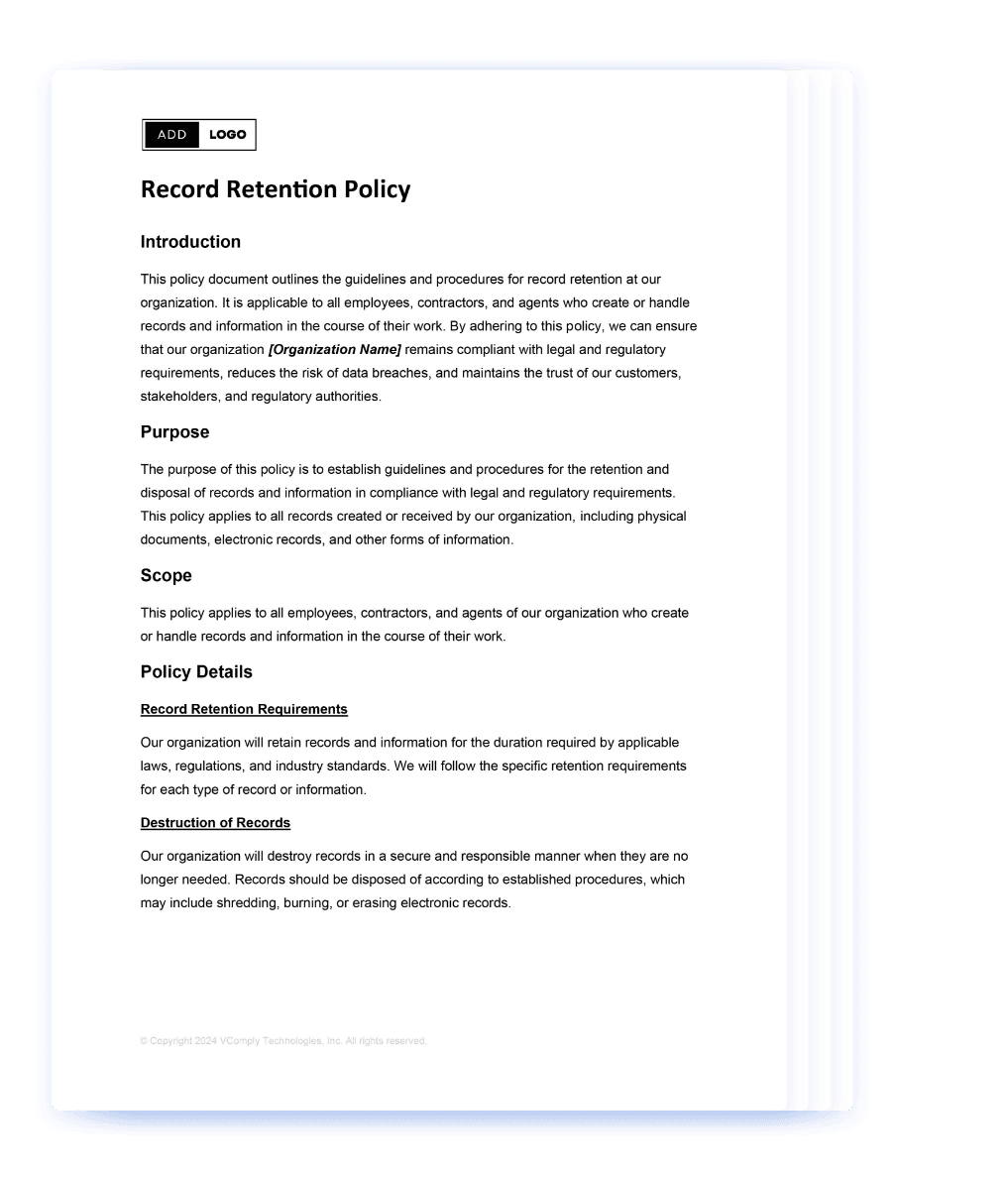
Why this matters: employees sometimes find themselves asked to assist—directly or indirectly—when a customer or former employee files a lawsuit or participates in a consumer settlement. Knowing what records to keep, which internal contacts to notify, and what you must not do can protect your job and the company’s legal position.
1. Preserve the specific records the policy names
Preserve expense reports, time records and contract documentation immediately; these are cited explicitly as examples of business records that must be kept. The company language says business records “must be timely, complete and honest,” so preserve originals and copies in the location your store or business unit uses for official documentation. If the records exist as electronic files, do not delete or alter them on store computers, personal devices, or cloud folders until you have clear direction from the Law Department.
2. Follow the Records Management Policy and SOP Manual
Dollar General’s policy requires employees to “follow all Company procedures governing document retention and destruction, including our Records Management Policy and the policies in our Standard Operating Procedures Manual.” Locate those policies through your manager or internal portal and follow the retention and destruction rules they set out rather than your own judgment. If retention schedules for POS data, emails or surveillance footage are unclear, treat the material as potentially relevant and preserve it until the Law Department provides guidance.
3. Stop and act when you receive a Law Department notice
The policy fragment warns: “If our Law Department notifies you that you may have documents or other records related to a pending, threatened or anticipated litigation, investigation [...] and vendors provide us.” That notice is the company’s signal to preserve materials. If you receive such a notification, immediately stop routine destruction actions and follow any written steps in the notice, and contact your Law Department or General Counsel for the complete instructions referenced in the notice.
4. Never create “off the books” records or falsify entries
The company requires records to be “complete and truthful at all times” and warns that “we may never maintain ‘off the books’ accounts or make false or misleading entries.” Do not alter timestamps, hours worked, expense amounts, invoice dates, or create parallel records to conceal information. If you’re asked to change a record for convenience, escalate: the policy instructs you to raise potential problems with accounting or disclosures to senior finance leaders.
5. Raise accounting or disclosure concerns to finance leadership immediately
The policy is explicit: “If you become aware of a potential problem with our Company’s accounting or public disclosures, raise your concern with our Chief Accounting Officer or CFO immediately.” Contact the Chief Accounting Officer or the CFO rather than handling accounting irregularities informally. The company frames those contacts as the direct route for whistleblowing on financial or disclosure issues, so document your outreach and the information you provided.
6. Limit internal sharing: business need to know only
Unless legally required, “we must never share confidential or proprietary information with our fellow employees unless they have a business need to know.” Do not forward litigation-related files to co-workers who are not part of the response team; instead, route questions through your manager or the Law Department. This protects sensitive company data and avoids creating unauthorized copies that could complicate a legal matter.
7. Disclose externally only under NDA or with permission
The policy states: “we only disclose this information with outside third parties if it is relevant to their specific role with our Company AND after they’ve signed a non-disclosure agreement or when we’re legally required to do so or have obtained our General Counsel’s permission.” If an outside lawyer, claimant or vendor asks you for documents, do not hand anything over without confirmation that an NDA is in place or explicit General Counsel approval. Direct external requests to the Law Department immediately.

8. Use third‑party intellectual property only after approval
When a request for records touches on third‑party intellectual property, follow the rule: “We may only use third-party intellectual property after obtaining approval from that party’s legal department.” If vendor materials, licenses, or third-party content are involved in a claim, notify your manager and the Law Department so approvals can be sought before any materials are reused or shared.
9. Remember obligations continue after employment ends
Policy language makes clear: “These obligations continue after your employment ends, at which time you must also return all confidential or proprietary information to your manager.” If you separate from the company, inventory company files in your possession and return them to your manager; do not retain copies of confidential documents on personal devices. The continuing obligation means the Law Department can require preserved records even from former employees.
10. Be cautious about competitive and prior‑employer information
The fragments advise employees: “If you have a question or concern about appropriate use of competitive information, contact your manager or the Law Department.” There is an incomplete clause — “See, however, [...] about a prior employer or to provide information that would cause them to violate any obligation of confidentiality or a non-disclosure agreement.” Because that sentence is truncated in the policy copy you’ve been given, do not assume exceptions. When asked about information from a prior employer, consult your manager or Law Department before responding.
- Tell the requester you need to refer the matter to the Law Department or General Counsel and will not provide documents or substantive answers without authorization.
- Avoid discussing confidential details, internal investigations, or financial data with external claimants or media.
- Direct colleagues’ questions to your manager, the Law Department, or the General Counsel. Because sample wording was not supplied in the fragments, seek approved employee scripts from the Law Department before giving statements.
11. What to say and not say when approached (practical shorthand)
The original guidance references “what to say (and not say)” but does not include scripts in the fragments provided. In keeping with the policy’s disclosure limits, the safest approach is:
12. Document what you preserve and every action you take
Although the policy focuses on retention rules and internal contacts, you should create a contemporaneous log of the records you preserved, the dates you preserved them, and whom you notified (Law Department, manager, CFO, Chief Accounting Officer). A clear record aligns with the company demand that books and records be “accurate, complete and truthful at all times” and protects you if questions arise later about what you did or did not keep.
What’s missing and what to ask for The policy fragments contain ellipses in critical places (for example, the Law Department notice clause and the prior‑employer sentence). Employees should request the company’s full Records Management Policy, the Standard Operating Procedures Manual sections that govern retention and destruction, and any standard litigation‑hold notice language. If you need scripts for conversations with claimants or counsel, ask the Law Department or General Counsel for approved phrasing.
Final point Dollar General’s internal rules are clear on the essentials: preserve business records like expense reports, time records and contract documentation; do not falsify or delete records; and route legal and accounting questions to the Law Department, General Counsel, Chief Accounting Officer or CFO. When in doubt, stop, preserve, and notify — those three steps are the simplest way to protect yourself and the company while the Law Department provides the next instructions.
Know something we missed? Have a correction or additional information?
Submit a Tip

.webp&w=1920&q=75)