Dollar remains secure despite dire headlines and reserve shifts
A report rejects claims the dollar is collapsing, citing reserve flows and custodial routing; political risk still threatens global stability and vulnerable communities.
“President Trump has launched a frontal attack on the independence of the Federal Reserve, which is responsible for maintaining the dollar’s value by tamping down inflation.” That warning anchors a larger argument in a new analysis that rejects headlines proclaiming a rapid end to U.S. currency dominance. “The currency is stumbling, by many accounts. But the narrative is false,” the report says, and flatly concludes: “The dollar remains secure on its pedestal.”
The report lays out the doomsday case in plain terms: “The reports are dire. The dollar’s days of dominance are rapidly coming to an end, thanks to U.S. economic and political dysfunction. China is plotting to displace the dollar and rallying the world around the idea that its centrality in the global financial system hurts everyone else. Even American allies are shying away from the dollar now that the United States is becoming more antagonistic toward other countries.” That narrative, the report allows, is “plausible, logical and ostensibly supported by data. But it is false.”
Much of the public alarm rests on reserve-management moves that look at first glance like a flight from dollars. “China’s central bank and others are indeed buying more gold for their reserves, while China’s reported holdings of Treasuries seem to have fallen sharply.” Those patterns “certainly bolster the narrative of dollar decline.” Yet the picture, the report says, is muddied by reporting and accounting quirks: “At the same time, countries like Belgium, Britain and Canada have ramped up their reported holdings of Treasuries. There’s a connection: Reports indicate that China is routing its holdings through custodial accounts in some of those countries, which hardly means Beijing is ditching the dollar.”
The analysis emphasizes that the dollar’s endurance rests less on U.S. exceptionalism than on the relative weaknesses of rivals and the practical limits of alternative systems. But it also stresses a sharper danger: political erosion at home can translate into global risk. “Mr. Trump and his enablers are eroding checks and balances that keep economic and trade policies from going off the rails,” the report says, adding that “assaults on the rule of law have become the norm, leaving central banks and other international investors wondering if they can count on being able to reliably repatriate their dollar assets.”
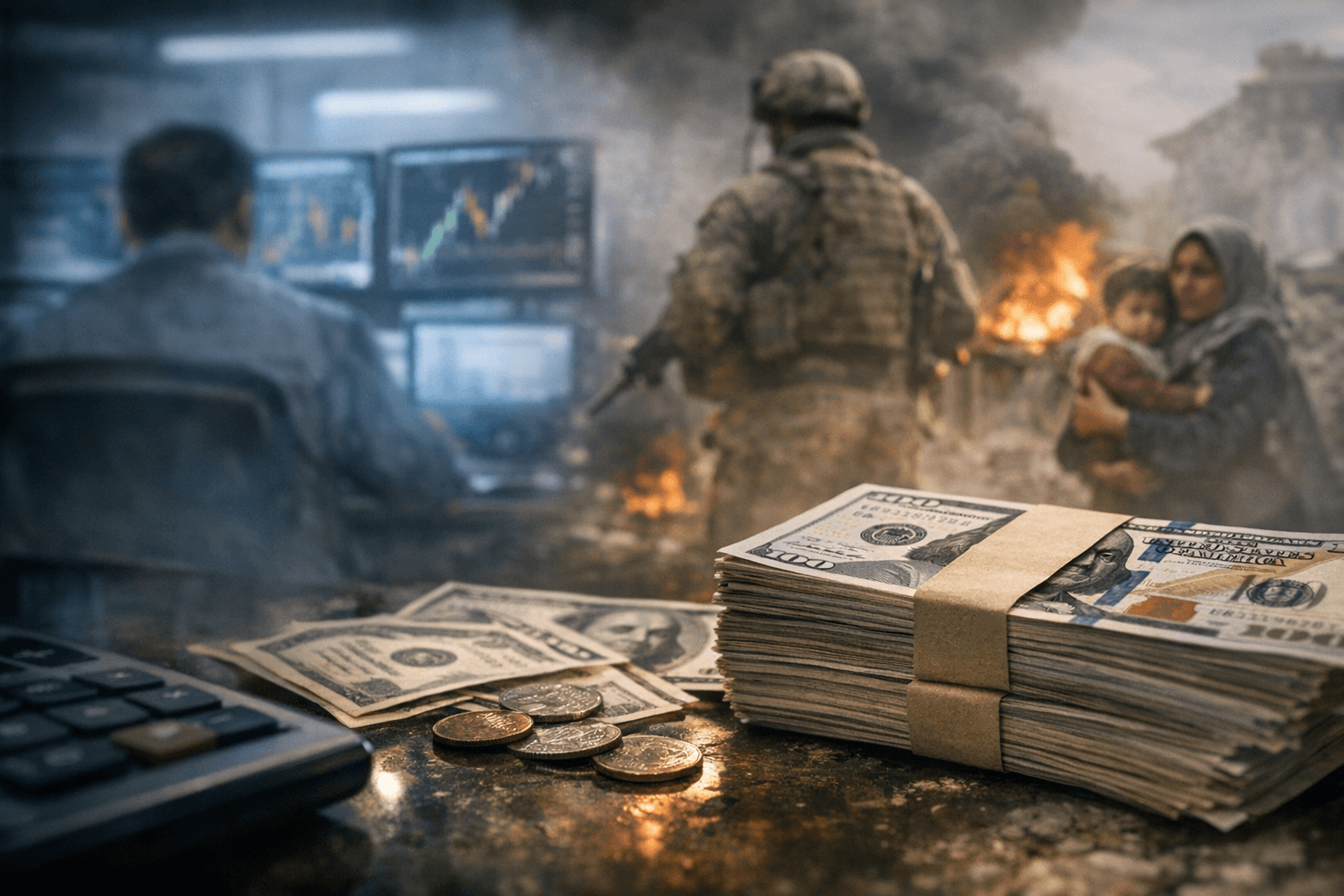
That transmission mechanism matters for communities and public services worldwide. The report concludes that “the dollar’s dominance means that volatile U.S. policies and financial market problems infect the entire world, adding instability to an already volatile situation.” When investor confidence falters or funding costs rise, countries with limited fiscal space face pressure on budgets for health, social services and safety nets, worsening inequities both within nations and between them.
The analysis frames a narrow but urgent policy choice: the dollar’s structural role persists, yet maintaining that role requires credible institutions and predictable policy. The report’s bottom line is stark and double-edged: the immediate panic over a dying dollar is misplaced, but domestic political moves that undermine institutional stability risk exporting harm to global markets and to the most vulnerable people who bear the bluntest consequences of financial shocks.
This article was produced by Prism’s automated news system from verified source data, official records, and press releases, then run through automated quality and moderation checks before publishing. The system is built and supervised by the people who set the standards it runs under. Read our full AI policy.
Did this article answer your question?


