Dollar starts 2026 strong as rate bets and U.S. assets draw capital
The dollar climbed about 3% in the first half of 2026, as traders piled into U.S. assets and priced in at least one Fed hike. That strength is easing import costs at home while squeezing exporters and borrowers abroad.

The dollar opened the second half of 2026 up about 3% for the year, the best-performing major currency at the half-year mark. That is a sharp reversal from the first half of 2025, when it fell more than 10%, its worst opening-half performance since the early 1970s.
The move has been driven by a familiar mix of higher U.S. rate expectations and persistent demand for American assets. Traders now expect at least one Federal Reserve rate hike in 2026 and assign about a 50-50 chance of a second, a swift change from just weeks ago when markets saw no move at all. The Federal Open Market Committee kept its target range at 3.50% to 3.75% at its June 16-17 meeting, in a unanimous 12-0 vote, and Chairman Kevin Warsh said U.S. economic activity was expanding at a solid pace, productivity growth and capital investment were strong, and inflation was still well above the Fed’s 2% target.
That combination has fed a renewed bet on American exceptionalism. Stephen Jen, chief executive and chief investment officer of Eurizon SLJ Asset Management, said the strong dollar was not welcomed by anyone, but U.S. companies and U.S. assets remained too valuable and attractive, and foreign firms were investing heavily in the United States to gain a foothold. Commodity Futures Trading Commission data put speculators’ net long dollar position at about $30 billion, the largest since the start of Donald Trump’s second presidency, and the fastest first-half build in records that go back to 2012.
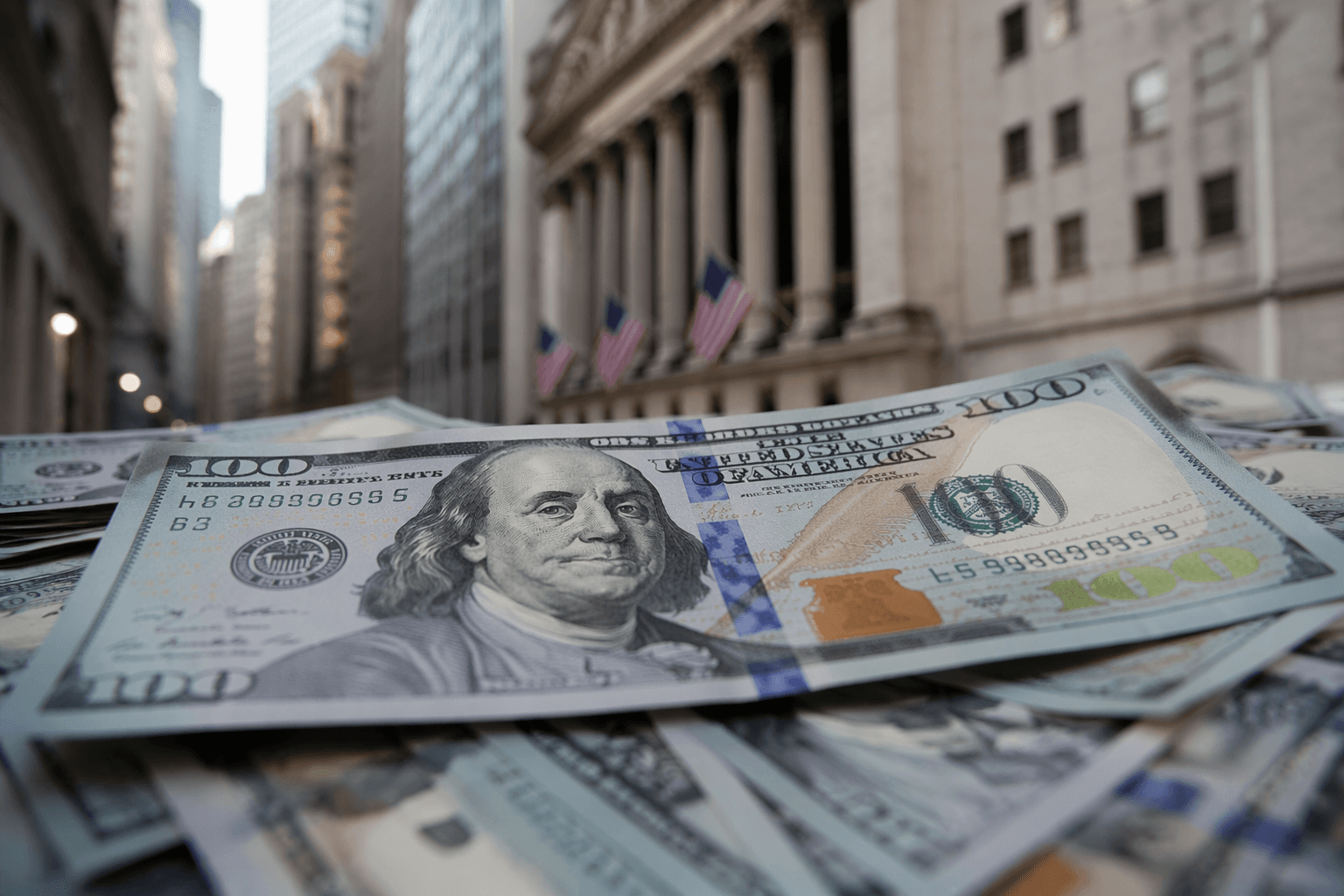
Market pricing reflected that demand. Trading Economics data put the dollar index around 101.19 on June 26, up about 3.89% over the past 12 months. The European Central Bank’s reference rate put the euro at $1.1342 on June 25, with June 24 marking the low point in that four-month window at $1.1340. Currency market pricing showed the dollar near year-highs against the euro and at 40-year highs against the yen, sharpening pressure on officials in Japan and on policymakers from Auckland to Zurich.
For Americans, the upside is cheaper imports and some relief on inflation at a time when energy prices are already easing after the Iran ceasefire. The other side of the trade is harsher: weaker currencies abroad make dollar debts harder to service, raise import bills for emerging markets such as India, and cut into the overseas earnings of multinationals when they are converted back into dollars.
This article was produced by Prism’s automated news system from verified source data, official records, and press releases, then run through automated quality and moderation checks before publishing. The system is built and supervised by the people who set the standards it runs under. Read our full AI policy.
Did this article answer your question?

