Dollar under pressure as markets reassess Trump policies and risks
Markets are re-evaluating the dollar after policy signals from the Trump administration and rising geopolitical tensions, driving a recent three-day slide. This guide explains causes, market effects and scenarios for investors and policymakers.
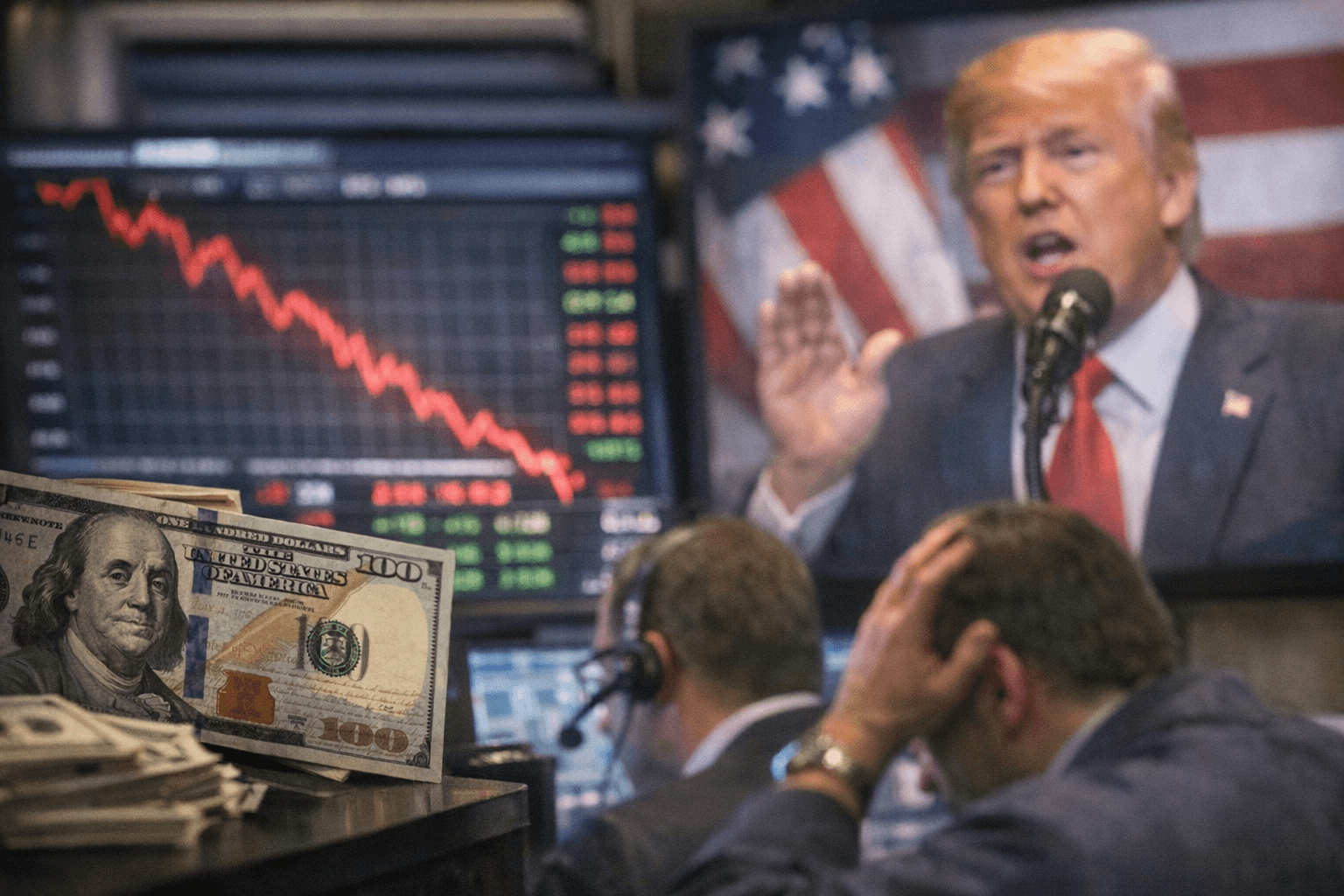
1. Three-day dollar slide
A notable three-day slide in the U.S. dollar versus major currencies has crystallized investor reassessment of the currency’s outlook, according to a Reuters analysis published Jan. 26, 2026. Short-term currency moves like this often reflect a shift in positioning, stop-losses, leveraged carry trades and algorithmic flows can accelerate declines once momentum turns. The move prompted traders to re-price hedges and exposed vulnerabilities in dollar-funded positions, particularly in emerging markets and cross-currency financing.
2. How policy signals matter
Policy guidance from the Trump administration has emerged as a central driver of the reassessment because shifts in fiscal and trade stances directly change expectations for U.S. growth, deficits and interest rates. If markets see larger fiscal deficits (for example from tax changes or big spending packages), they typically expect higher Treasury issuance and potentially higher inflation over time, which can alter interest-rate differentials that support the dollar. Conversely, policies that slow growth or introduce trade frictions can undermine real activity and reduce foreign demand for dollar assets, weakening the currency.
3. Geopolitical tensions and risk perception
Rising geopolitical risks, broadly referenced in the Reuters piece, reshape the dollar’s safe-haven calculus. Under classic dynamics, heightened global risk increases demand for dollar and U.S. Treasury safety; but if geopolitical developments also raise concerns about U.S. policy coherence or fiscal stability, the net effect can be reversed. The recent price action suggests investors are treating current tensions as more likely to lower risk-adjusted returns on dollar assets, not simply to boost a one-way flight to safety.
- Interest-rate differentials: Expectations for yields on Treasuries versus foreign sovereign debt shift capital flows and FX valuations.
- Funding and carry trades: A weaker dollar can force unwind of dollar-funded carry trades, amplifying volatility in funding markets.
- Asset valuation: A cheaper dollar lifts dollar-priced commodity prices and raises foreign currency returns for U.S. investors, influencing equities and commodity sectors.
4. Market channels of impact
Currency moves transmit rapidly through financial markets via several channels:
Each channel can produce second-round effects, e.g., commodity price moves feeding into inflation expectations that further shift rate outlooks.
- Increased stop-loss and hedge activity in the near term to limit volatility exposure.
- Rebalanced currency exposure toward a more diversified basket to reduce singular dollar risk.
- Monitored cross-asset correlations closely, as the dollar’s move affects equities, bonds and commodities simultaneously.
5. Investor positioning and behaviour
The reassessment has prompted changes in positioning across asset managers, hedge funds and sovereign investors. Many practitioners:
These reactions can create feedback loops: hedging flows amplify FX moves, prompting further hedge adjustments.
- Reiterate policy frameworks to reduce uncertainty, clear guidance can calm FX markets.
- Coordinate internationally if disruption is systemic, though coordinated intervention is rare and used only in extreme cases.
- Address fiscal trajectory concerns by clarifying deficit plans to stabilize medium-term yield expectations.
6. Policy implications and responses
Central banks and fiscal authorities face important choices when the dollar weakens amid policy uncertainty. The Federal Reserve’s reaction function centers on inflation and employment, but currency moves can influence both through import prices and capital flows. Policymakers can:
Each option has trade-offs; a rapid policy pivot could restore confidence but risks undermining credibility if it appears reactionary.
- Risk-on continuation: Investors price in stable U.S. policy and a global growth rebound, keeping the dollar softer and lifting emerging assets.
- Risk-off reversal: A flare-up of geopolitical events or unexpectedly hawkish U.S. data could restore demand for the dollar and Treasuries.
- Policy-driven volatility: Clearer or bolder administration policy moves (fiscal or trade) could produce large swings as markets reprice growth and deficit expectations.
7. Short-term scenarios to watch
Markets will test narratives in coming weeks; useful scenarios include:
These scenarios each imply different tactical responses for investors and policymakers.
- Reassess currency hedges to ensure they reflect the new probability distribution of outcomes rather than historic volatility alone.
- Diversify liquidity sources and tenor in dollar funding to reduce rollover risks if dollar funding markets tighten.
- Use scenario analysis to stress-test balance sheets against combinations of weaker dollar, higher inflation and rising yields.
8. Practical guidance for investors
For portfolios exposed to FX and global assets, practical steps include:
Employing active risk management can limit the damage from abrupt sentiment shifts while preserving upside in a potential rebound.
9. Long-term trends and structural considerations
Beyond the immediate reassessment, structural forces matter for the dollar’s trajectory: persistent U.S. fiscal deficits, global reserve diversification efforts, and evolving trade and supply-chain patterns could gradually reweight currency roles. Even if the dollar remains the dominant reserve asset, episodic repricing and shifts in investor confidence can create extended periods of pressure or strength. Monitoring fiscal fundamentals, central bank policy divergence and geopolitical developments will be essential for understanding longer-term direction.
10. Bottom line for readers
The Reuters analysis underscores that the recent three-day slide is not merely a technical correction but a signal that investors are actively re-evaluating the interaction of U.S. policy signals and global risks. Market participants should prepare for heightened volatility and adopt strategies that account for both short-term shocks and slower-moving structural shifts in the global monetary landscape.
This article was produced by Prism’s automated news system from verified source data, official records, and press releases, then run through automated quality and moderation checks before publishing. The system is built and supervised by the people who set the standards it runs under. Read our full AI policy.
Did this article answer your question?