Dolph Lundgren hosts History's Greatest Machines on HISTORY Channel
Dolph Lundgren’s new HISTORY series opens with the Saturn V, the printing press and the Model T, turning industrial breakthroughs into prime-time spectacle.

Large machines still command attention because they make progress visible. HISTORY Channel leaned into that appeal with History’s Greatest Machines with Dolph Lundgren, an eight-part nonfiction series that premiered Monday, June 1, 2026, and uses some of the most recognizable inventions in modern history to explain how engineering changed daily life, warfare and industry.
Dolph Lundgren fronts the series as host, narrator and executive producer, a choice that gives the show a mix of celebrity muscle and technical credibility. Lundgren’s background in chemical engineering fits a program built around the mechanics of invention, from the Saturn V rocket and ancient rocket artillery to the printing press, the Model T and early personal computers. The series is set up less like a simple countdown of famous devices than a guided tour through the breakthroughs that made those devices matter.
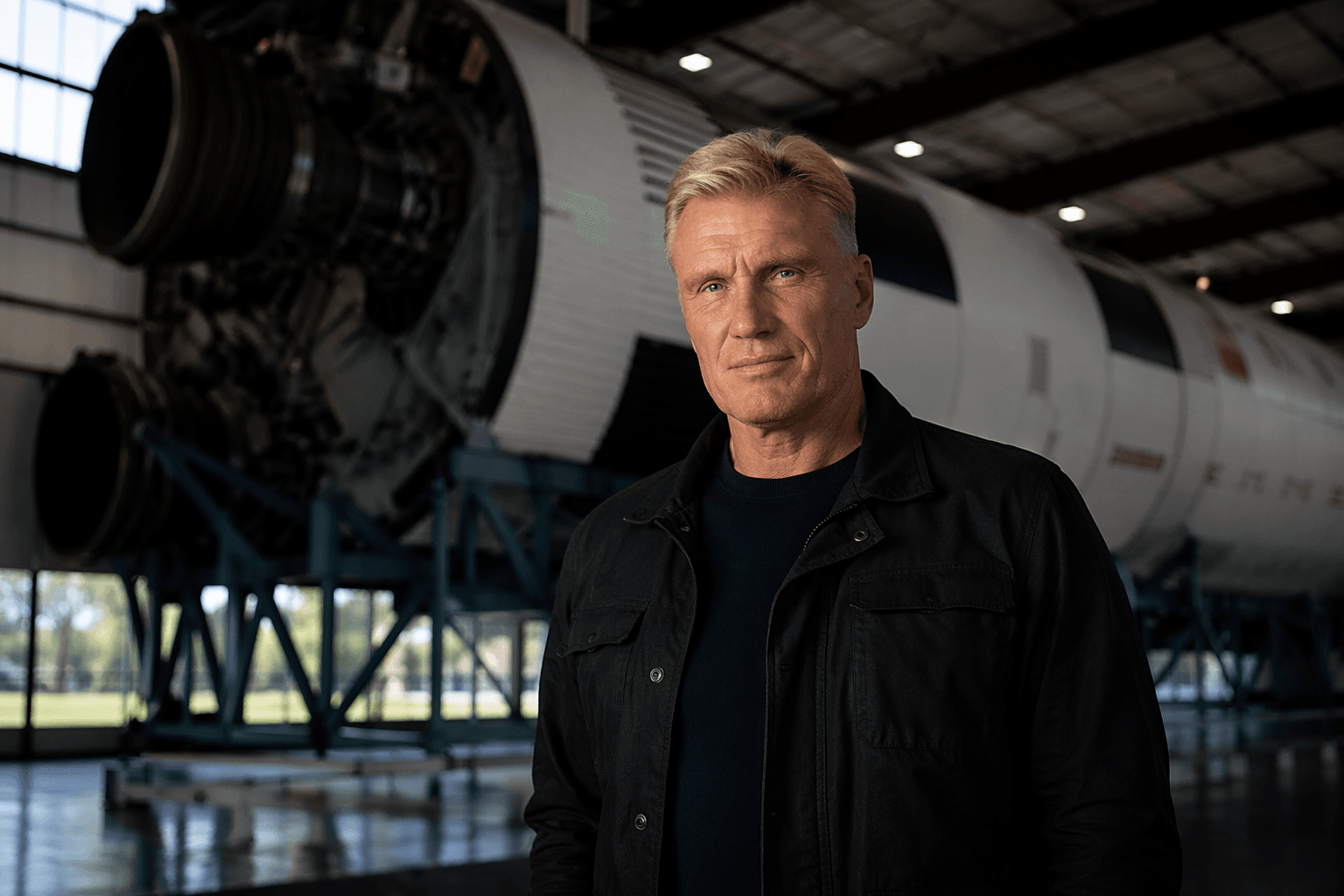
That approach reflects a larger television strategy: turn industrial history into a visual story with stakes. HISTORY describes the program as a journey through the gears, guts and genius behind the machines that reshaped the world, language that frames steel, code and combustion as drama rather than dry fact. The hook is not just what these machines were, but why people still remember them. The Saturn V represents the scale of the space age. The printing press stands for mass communication. The Model T marks the shift to durable, affordable mobility. Early personal computers capture the start of the digital era.
The series also reaches beyond iconic names to narrower themes that reveal how machine history can be segmented for television. One episode, Aerial Attackers, focuses on the evolution of aerial warfare. Other reported episode themes include Mission Critical, Monster Machines, Devices of Deception and Breakthrough Boats, suggesting an effort to organize the story of technology around function, battlefield use and design extremes.
HISTORY positioned Lundgren as a natural fit because of his curiosity, authority and enthusiasm for the ideas that shaped history. In practice, that makes the series part engineering lesson and part cultural explainer, asking why certain machines survive in the public memory while thousands of others disappear. The answer, at least on this series, is that the biggest machines do more than move people or materials. They become symbols of the era that built them.
This article was produced by Prism’s automated news system from verified source data, official records, and press releases, then run through automated quality and moderation checks before publishing. The system is built and supervised by the people who set the standards it runs under. Read our full AI policy.
Did this article answer your question?