Dominican Republic Extends U.S. Counter Narcotics Access Through 2026
The Dominican Republic announced a temporary agreement allowing U.S. personnel access to restricted areas at Las Americas airport and the San Isidro air base, a measure that will run through April 2026. The pact, described as non combat logistical support for regional anti drug missions, underscores a deeper U.S. operational presence in the Caribbean and raises questions about sovereignty and regional diplomacy.
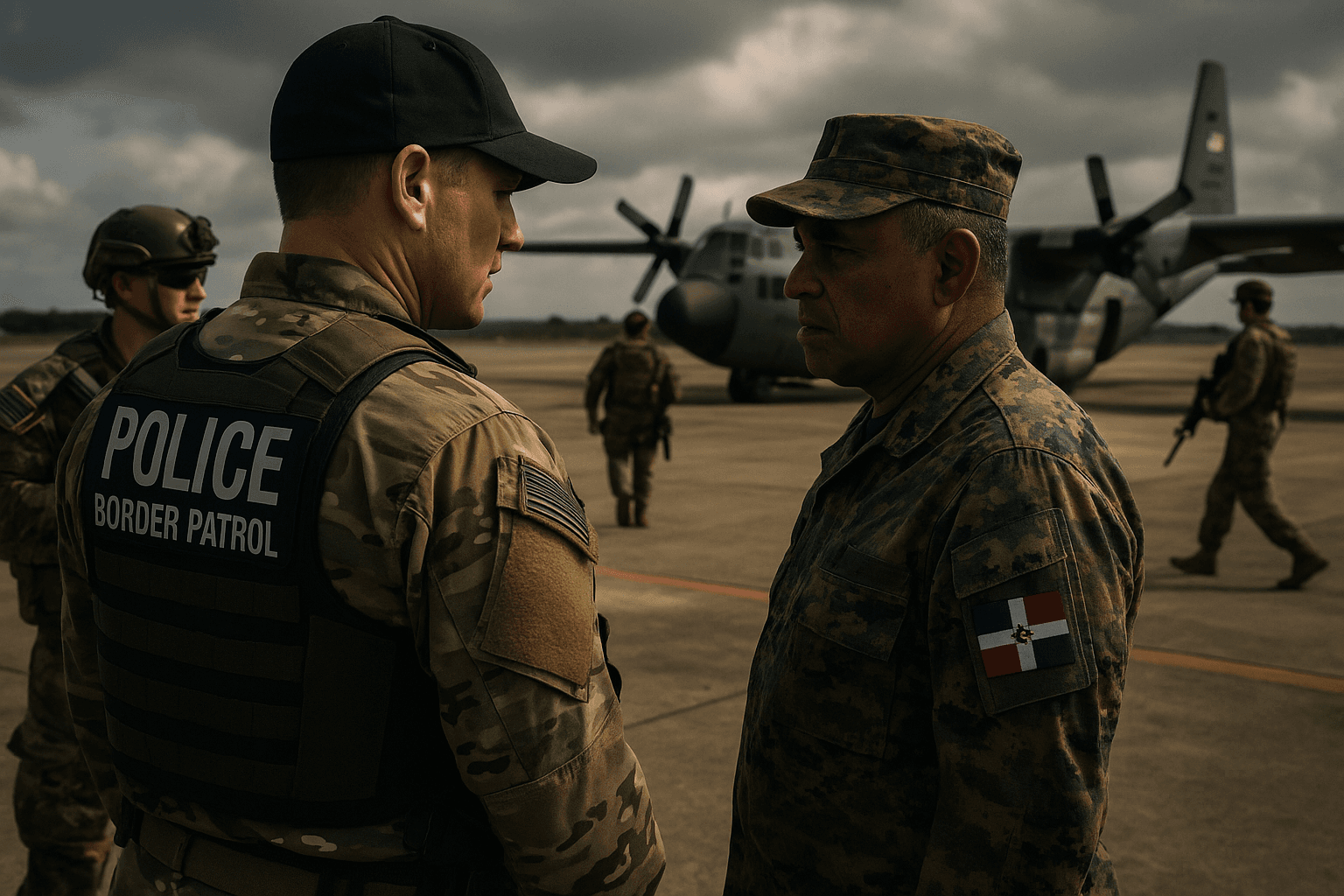
The Dominican government said a temporary agreement permitting U.S. personnel to use restricted areas at Las Americas International Airport and the San Isidro air base will remain in force through April 2026. President Luis Abinader framed the arrangement as limited logistical access rather than a combat deployment, enabling U.S. aircraft to refuel and move equipment in support of regional counter narcotics missions.
The accord was formalized during a recent visit by U.S. Secretary of Defense Pete Hegseth and builds on bilateral frameworks that date back to the 1990s and early 2000s. Government officials emphasized that operations under the agreement will be coordinated with Dominican naval forces and will involve specialized technology, reflecting an effort to retain sovereign oversight while facilitating logistical support for multinational interdiction efforts.
The move comes amid a noticeable intensification of U.S. military and interdiction activity in the Caribbean. In recent months U.S. agencies have engaged in more aggressive measures against suspected trafficking vessels, including lethal strikes at sea that have triggered diplomatic scrutiny and public unease across the region. Those tactics signal a shift toward a more kinetic approach to disrupting drug shipments destined for the United States, and the Dominican arrangement provides additional staging and support capacity for those operations.
Operationally the logistical access is aimed at extending patrol range and sortie tempo for aircraft engaged in surveillance and interdiction, and at speeding the movement of mission critical equipment. Access to Las Americas International Airport, the country s primary international gateway, and the military San Isidro base gives U.S. forces the ability to refuel closer to trafficking routes that run through the eastern Caribbean and the Mona Passage. Dominican officials stressed the temporary and bounded nature of the pact, noting coordination with local forces as a central condition.
The agreement is likely to prompt debate at multiple levels. In the Dominican Republic domestic critics may question the balance between security cooperation and national sovereignty, especially given the sensitive nature of operations that may lead to armed engagements at sea. Regionally the extension underscores a trend toward more direct U.S. involvement in maritime interdiction, a development that could spur other Caribbean nations to reassess their own arrangements with Washington or to press for greater multilateral oversight.
Economically the escalation of interdiction efforts has secondary effects on trade and maritime operations. Increased military activity in key routes can raise insurance costs for commercial shipping, alter transit patterns, and prompt additional investment in coastal surveillance and port security. For a country dependent on tourism and remittances the government must weigh the security benefits of tighter counter narcotics cooperation against potential reputational and economic risks.
Reuters reported the details of the agreement on December 2, 2025. As the pact runs through April 2026 its short timeframe leaves open the possibility of extension or renegotiation, setting the stage for further political and diplomatic bargaining over the scope of U.S. operations in the Caribbean and the long term architecture of regional drug control efforts.
This article was produced by Prism’s automated news system from verified source data, official records, and press releases, then run through automated quality and moderation checks before publishing. The system is built and supervised by the people who set the standards it runs under. Read our full AI policy.
Did this article answer your question?