Donor Nations Pledge $3.9 Billion to Global Environment Facility's Next Funding Cycle
Donor nations pledged $3.9 billion to anchor the GEF's ninth replenishment cycle, committing to nature and climate goals through June 2030.
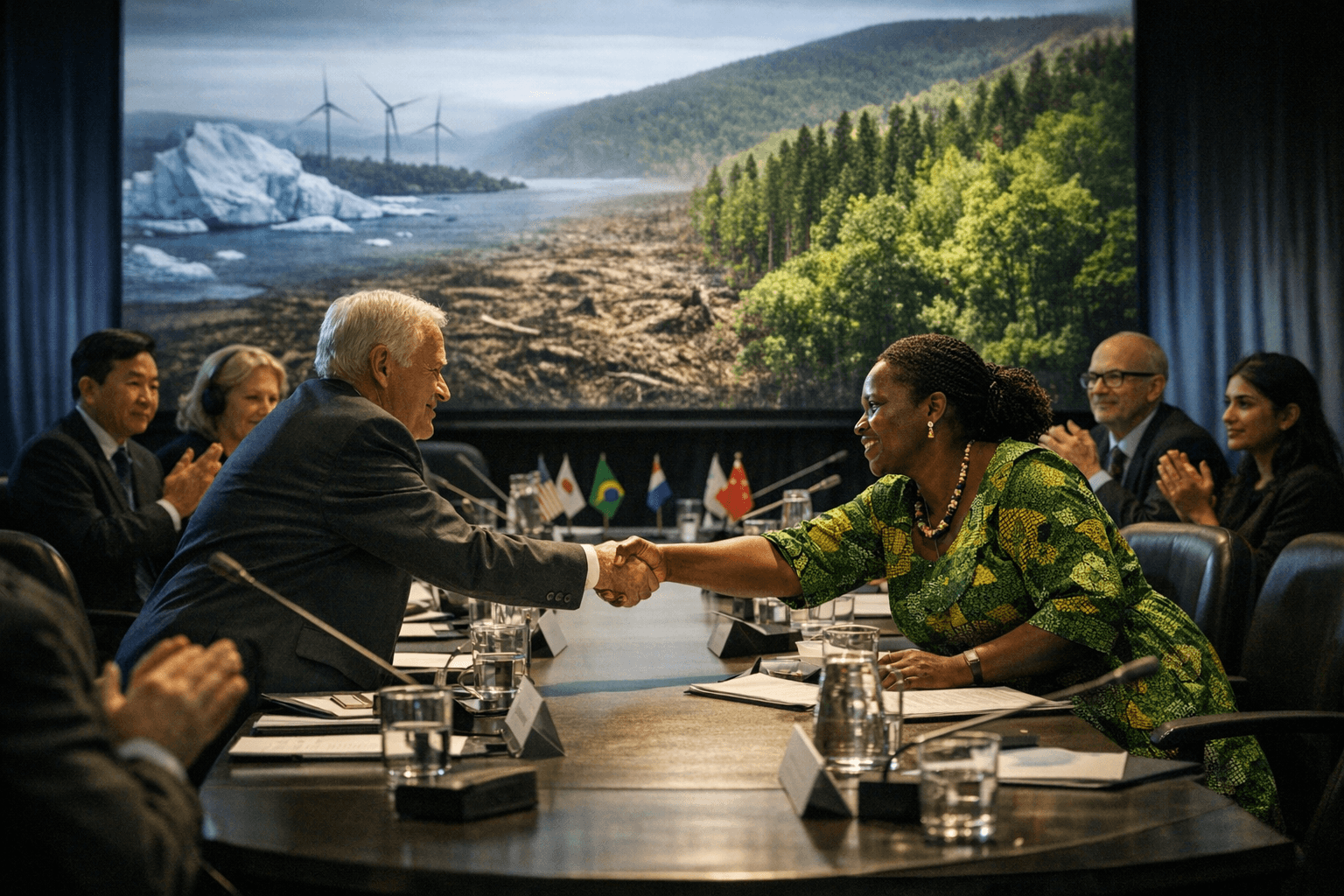
Donor countries committed an initial $3.9 billion to the Global Environment Facility's ninth replenishment cycle Wednesday, anchoring a four-year funding package intended to drive environmental restoration, climate resilience, and biodiversity protection in developing nations through June 2030.
The pledge sets the foundation for a larger financing package that will be finalized at the GEF Council meeting in Samarkand, Uzbekistan, scheduled for May 31 through June 3, 2026, and formally approved at the Eighth GEF Assembly in the months that follow.
Claude Gascon, Interim CEO and Chairperson of the GEF, framed the commitment as a signal of sustained global resolve despite difficult fiscal conditions. "This replenishment sends a clear message: the world is not giving up on nature even in a time of competing priorities," Gascon said. "Our donor countries have risen to the challenge and made bold commitments towards a more positive future for the planet. The coming four years of the GEF-9 cycle will reflect this high-ambition push to achieve the 2030 environmental goals."
The GEF-9 cycle, running from July 2026 through June 2030, will be organized around four strategic priorities: integrated programming, blended finance, whole-of-government and whole-of-society approaches, and dedicated funding for least-developed countries and small island developing states. Increased support for Indigenous Peoples and local communities is embedded in that final priority as a core commitment.
The $3.9 billion figure carries weight beyond its face value. Over three decades, the GEF has channeled more than $27 billion in grant-based financing while helping mobilize over $155 billion in co-financing, a ratio that reflects its catalytic function in pairing public grants with broader capital flows. GEF-9's emphasis on blended finance signals an intent to extend that leverage further, using grants as a mechanism to unlock private investment in nature and climate projects across the GEF's portfolio of biodiversity, chemicals and waste, climate mitigation, land degradation, international waters, and sustainable cities work.
The scale of the commitment takes on added significance given that donor governments are navigating acute competing fiscal pressures at home. The 2030 environmental targets, spanning biodiversity protection under the Kunming-Montreal Global Biodiversity Framework and broader climate goals, require sustained multilateral finance to remain achievable for developing nations that lack the domestic resources to act at the necessary pace.
Whether the ambition translates into results will depend on final replenishment negotiations ahead of the Samarkand council meeting, the performance of blended financing instruments in the field, and the GEF's capacity to route resources effectively to the least-developed countries and small island states most exposed to ecological collapse.
This article was produced by Prism’s automated news system from verified source data, official records, and press releases, then run through automated quality and moderation checks before publishing. The system is built and supervised by the people who set the standards it runs under. Read our full AI policy.
Did this article answer your question?