Dormant Minnesota prison to reopen as ICE detention center
CoreCivic will reopen Appleton’s long-closed Prairie Correctional Facility for up to 1,600 ICE detainees, pitting jobs and reuse against a bigger detention system.
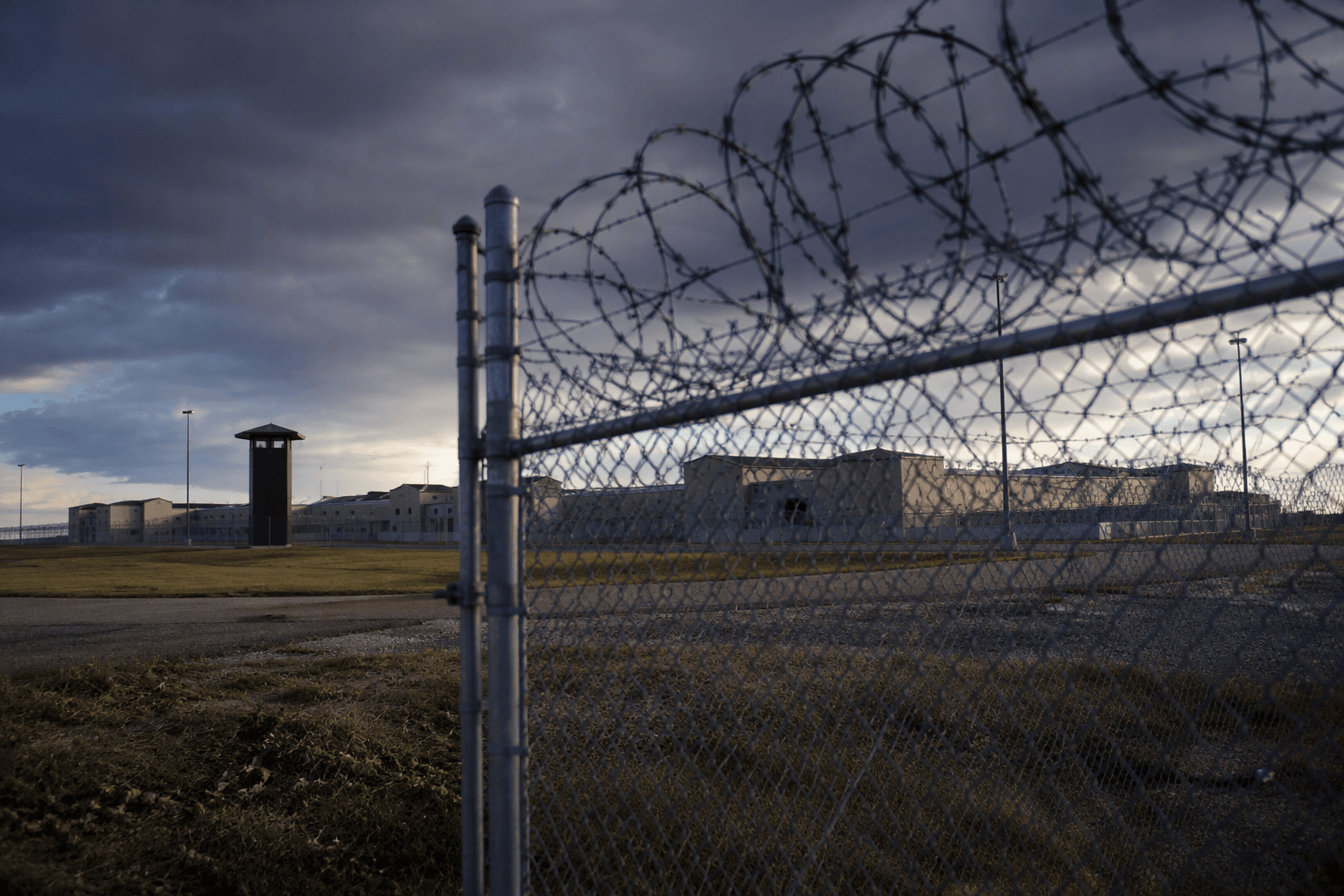
CoreCivic has finalized a five-year federal contract to reopen the Prairie Correctional Facility in Appleton as an ICE detention center, putting up to 1,600 detainees in a long-shuttered prison in western Minnesota. Detainees could begin arriving as early as this fall, with the site expected to be fully operational by spring 2027.
The move turns a closed private prison into Minnesota’s first private ICE detention facility. The prison has sat idle since 2010, and the new use folds the Trump administration’s immigration crackdown into a town that has spent years living with an empty correctional campus on its edge.
Supporters are selling the project as a reuse story as much as a detention story. For Appleton, that means the promise of payroll for guards, maintenance workers, food service staff and contractors, along with spending that could reach local businesses in a part of the state that has long had to adjust to population loss and a vacant institutional site. CoreCivic also gets a federal tenant for a facility that otherwise generated no obvious revenue.
Critics see something different: a durable expansion of federal detention capacity disguised as a reuse deal. ICE detention centers are part of the machinery that holds immigrants after arrest, before hearings and before deportation, and reopening an existing prison gives the agency a faster way to add beds than starting a new build from scratch. The physical shell may be old, but the policy choice is current and deliberate.
The plan has already drawn political and civic pushback. Rep. Angie Craig pressed the Trump administration over the Appleton detention plan, and Rep. Brad Tabke criticized a separate proposed ICE detention facility in Shakopee. Faith leaders and community members protested the likely reopening in Appleton on Sept. 30, 2025, and the Immigrant Law Center of Minnesota, AFSCME Council 5 and CURE Minnesota have all criticized the project as a dangerous precedent.
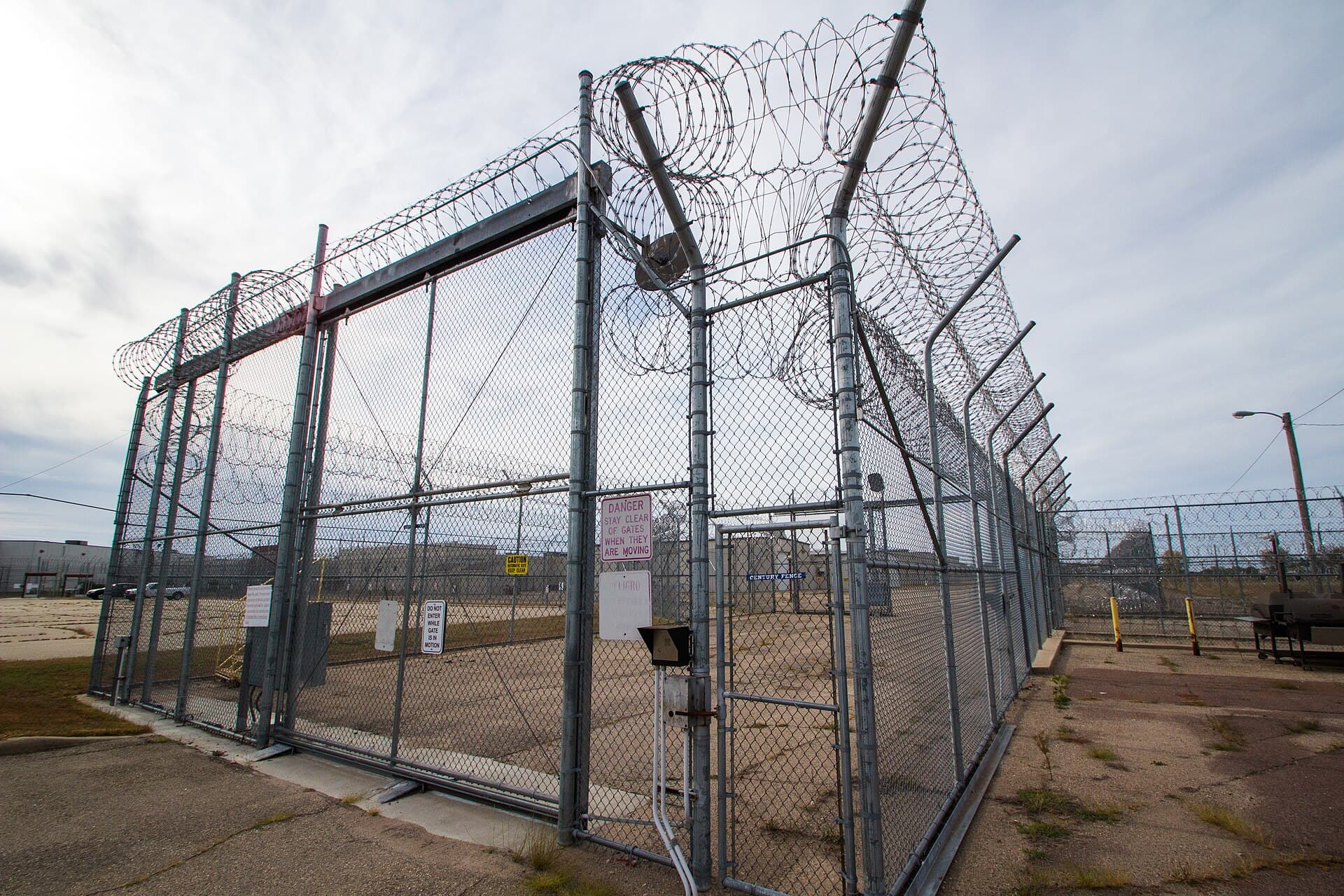
The fight over Prairie Correctional is now larger than one abandoned prison in rural Minnesota. It is a test of whether a shuttered facility will be judged as a jobs engine and a practical reuse of infrastructure, or as a permanent foothold for civil immigration detention in a state that had not hosted a private ICE prison before.
This article was produced by Prism’s automated news system from verified source data, official records, and press releases, then run through automated quality and moderation checks before publishing. The system is built and supervised by the people who set the standards it runs under. Read our full AI policy.
Did this article answer your question?