DougCoAlert replaces CodeRed across Douglas County for emergency alerts
Douglas County launched DougCoAlert to replace CodeRed, offering free phone, text and email emergency notifications; residents should sign up to ensure tailored, timely alerts.
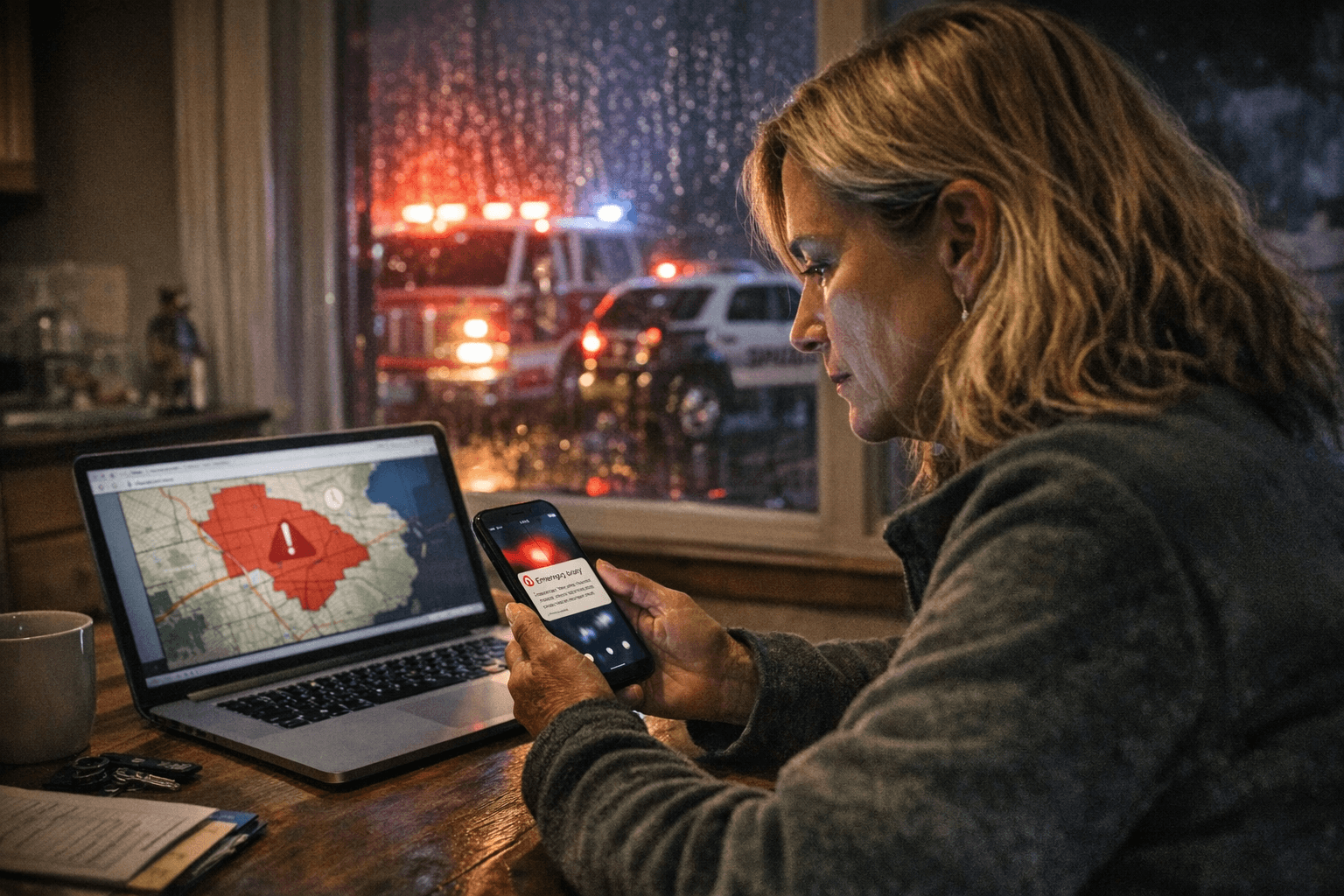
Public safety officials in Douglas County announced Monday that DougCoAlert is now available to all residents, replacing the previous CodeRed notification system. The county said the platform will deliver free emergency notifications by phone, text and email and allow recipients to answer poll questions that give officials critical situational information during incidents.
DougCoAlert is designed to notify people about natural disasters such as wildfires, floods and severe storms, as well as evacuations, shelter-in-place orders, law enforcement activity and other public safety emergencies. Alerts can be tailored by geographic location and personal needs, enabling the county to push location-specific updates during fast-moving events and to target communications to people who require special assistance.
The switch requires action from residents. Individuals who were signed up for CodeRed will not be automatically enrolled in DougCoAlert, and officials urged those users to register anew. Residents and travelers who were not previously signed up for CodeRed can register for free at DougCoAlert.com to receive timely and actionable alerts and to select when and how they are notified before, during and after emergencies.
DougCoAlert covers all residents, workers and visitors in Douglas County and the jurisdictions within it, including Castle Rock, Parker, Lone Tree, Highlands Ranch, Castle Pines, Franktown, Sedalia and Larkspur. The county’s rollout places emphasis on multi-channel delivery and on collecting feedback via in-alert poll questions as a way to improve incident response and resource allocation.
The change carries concrete benefits and risks for local emergency response. On the positive side, geo-targeted messaging and preference controls can reduce confusion during evacuations and deliver crucial instructions to people in an affected zone. Polling functionality can speed situational awareness for first responders and social services by identifying trapped residents, access and functional needs, or availability of shelter space.
At the same time, the discontinuity between systems creates a vulnerability during the transition. Because CodeRed subscribers were not migrated automatically, pockets of the population may miss alerts unless outreach reaches them. The effectiveness of DougCoAlert will depend on sustained public education, attention to language access and accommodations for residents without reliable internet or smartphones. Transparency around how poll responses are stored, who has access and how long data are retained will also matter to residents concerned about privacy and data use.
For now, the practical step for Douglas County residents and visitors is to register at DougCoAlert.com and to review alert preferences. County officials will need to monitor delivery rates and enrollment gaps as the system is used in live emergencies. How effectively DougCoAlert reaches everyone in Douglas County will shape public trust and the county’s ability to manage fire season, floods and other urgent threats in the months ahead.
Sources:
Know something we missed? Have a correction or additional information?
Submit a Tip