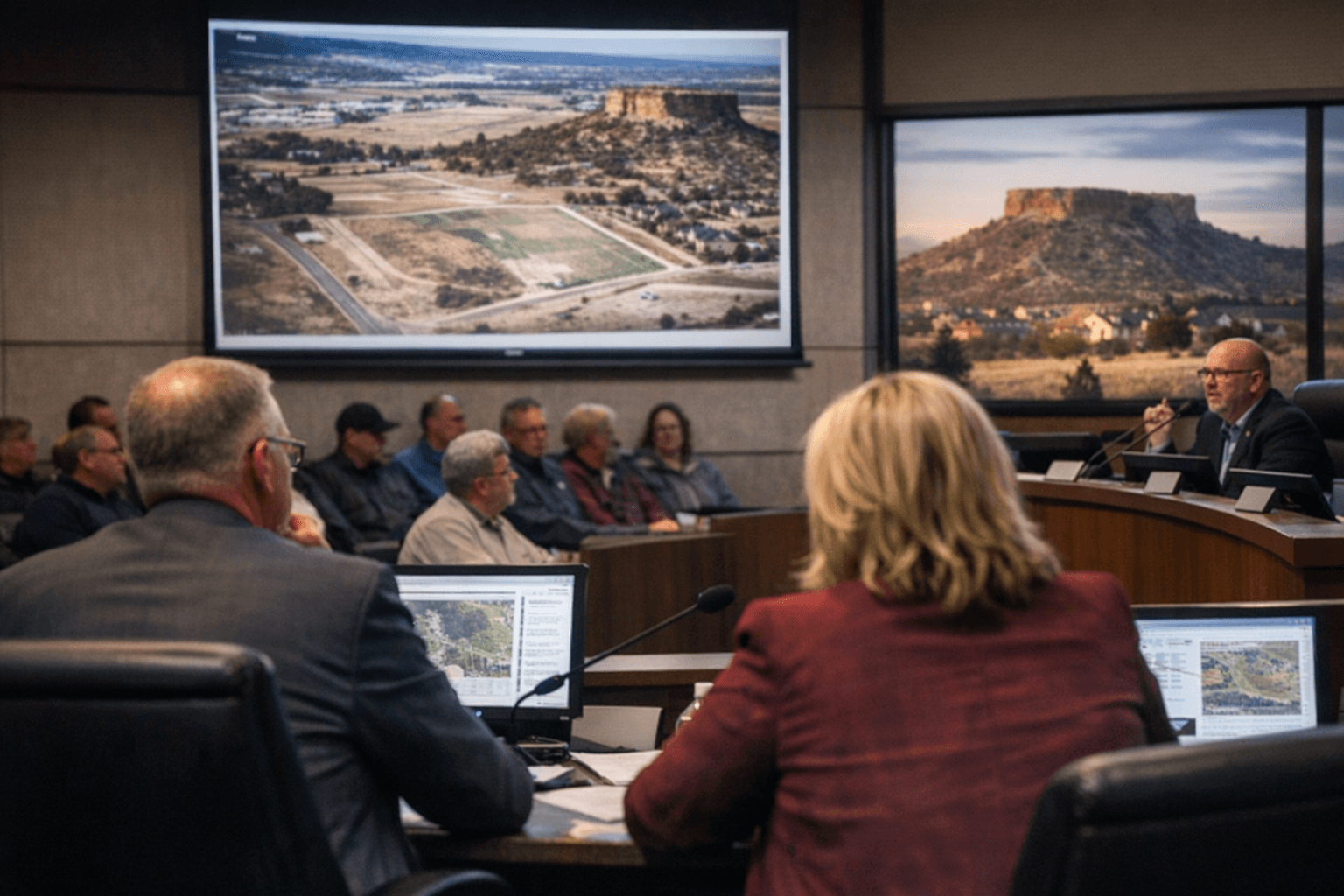
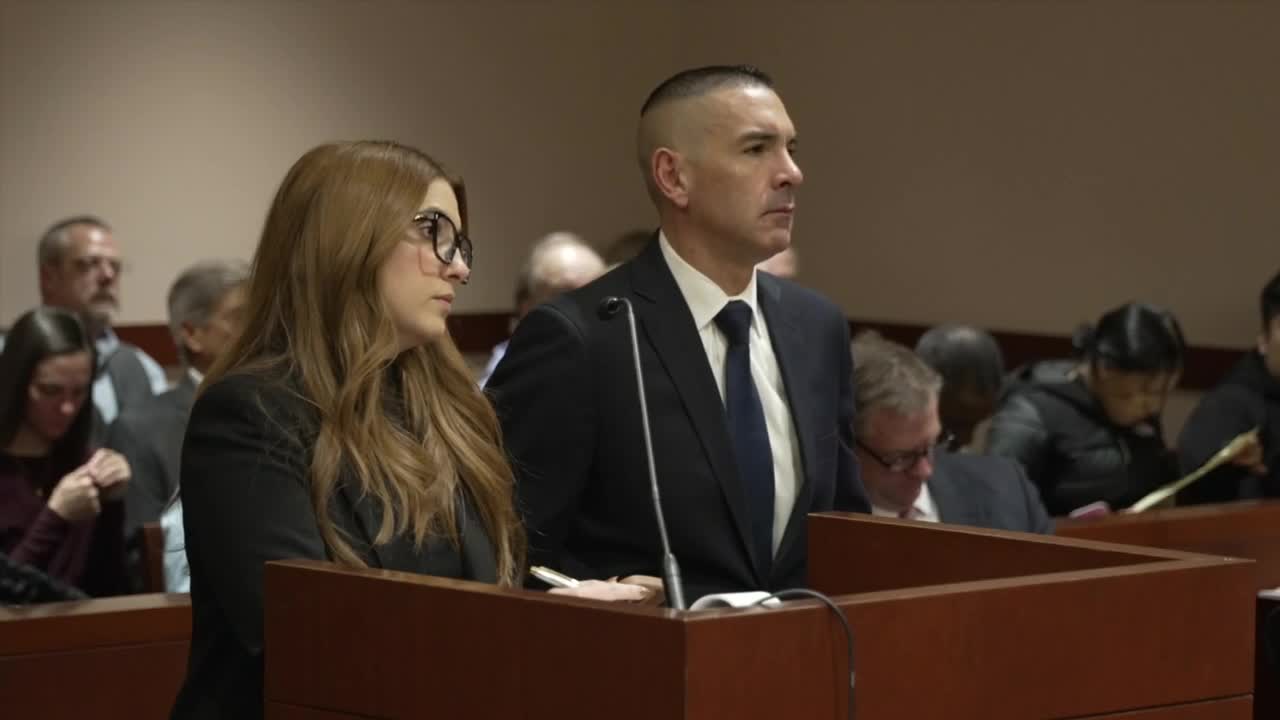
Douglas County Commissioners End Public Comment Period, Trigger Protests and Lawsuit
Douglas County commissioners Abe Laydon, George Teal and Kevin Van Winkle removed the general public comment period on Feb. 26, 2026, sparking protests, a lawmakers' rebuke and an open‑meetings lawsuit.
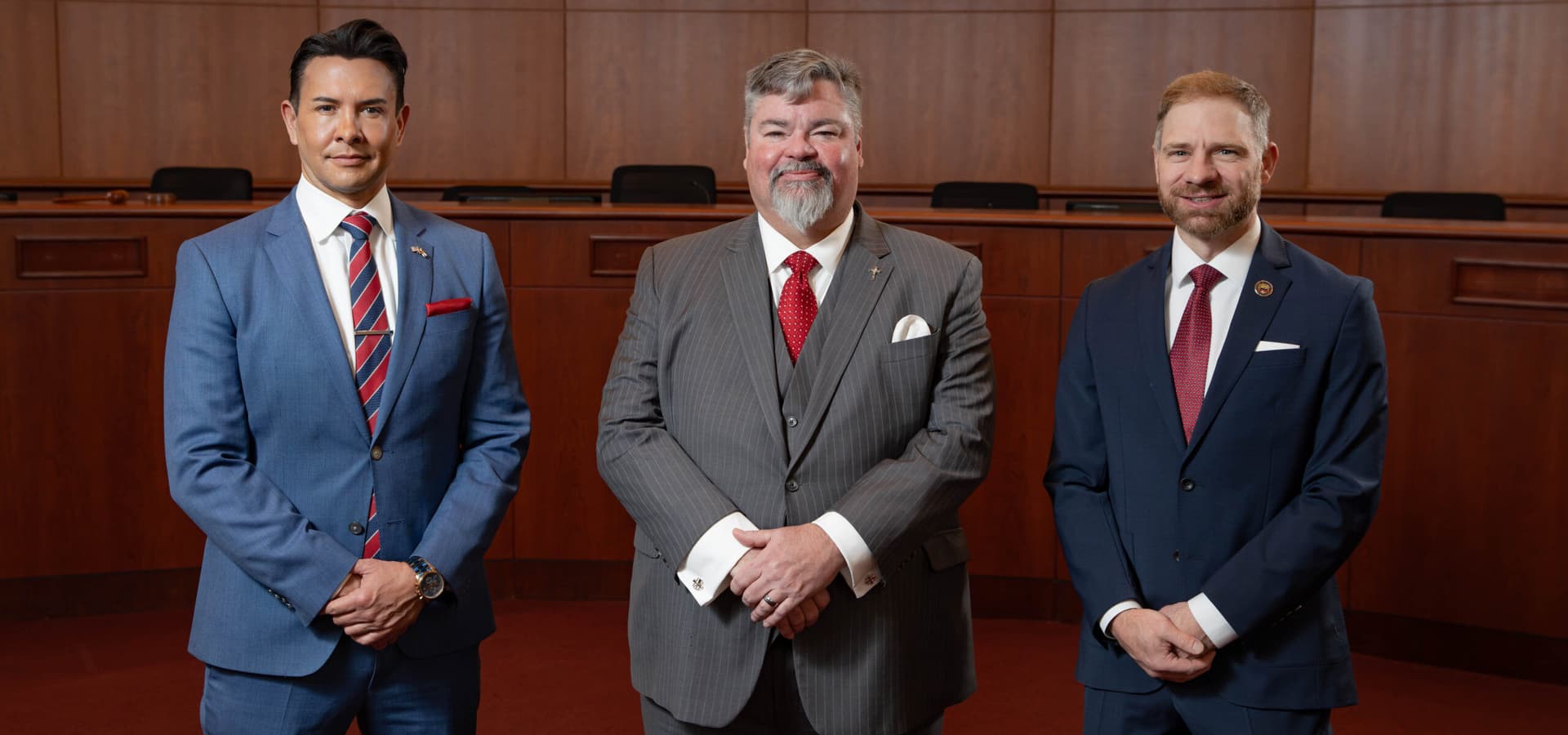
Douglas County’s Board of County Commissioners removed the longstanding general public comment period from regular business‑meeting agendas on February 26, 2026, a move that residents and two state lawmakers say has effectively silenced public input and prompted a lawsuit alleging open‑meetings violations. The action unfolded alongside a separate board resolution to commit tax dollars to pay sheriff deputies’ legal costs and intensified an ongoing governance fight among commissioners.
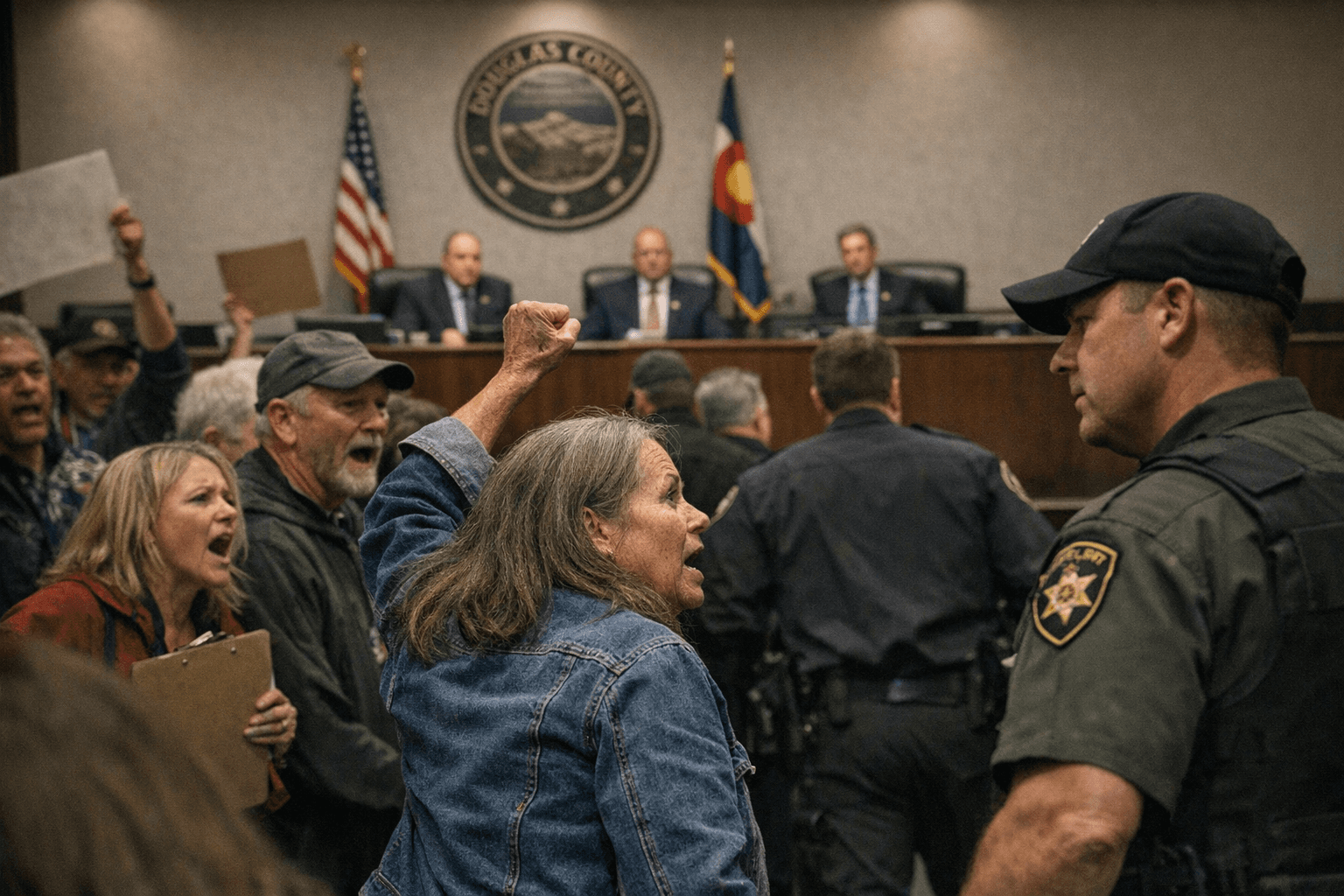
Residents filled county chambers and took to protests after commissioners eliminated the comment slot and, according to protesters, disabled comments on the board’s social media posts. Douglas County resident Jodi Messenich said, “First they silenced us on social media, all their posts, no comments were allowed, and then they silenced us in the meetings.” At a public demonstration, Bridget McEowen stood outside a meeting in a clown costume holding a sign that read “public trust requires public voice,” saying she dressed that way because “a few weeks ago, (Commissioner) George Teal specifically said that listening to the public was like listening to a comedy show.”
State representatives Brandi Bradley and Bob Marshall published a letter raising “constitutional and statutory” concerns about the board’s removal of general public comment and criticized the county’s broader approach. Rep. Bob Marshall said he could not understand why officials “would shut this down,” alleging the board had “shut down any comments on their social media from anyone.” Marshall warned the move could set “a very bad precedent” if other counties followed suit.
Commissioner George Teal defended the change, saying the comment period had become disruptive. “We’ve responded to literally years of comments from Douglas County residents that felt like it was becoming a sideshow to the actual business of the county. And some of it was embarrassing,” Teal said, adding that the time “was being hijacked, hijacked for special interests, hijacked for narrow interests, for the purposes of creating a political circus.” Commissioner Kevin Van Winkle pushed back on specific allegations tied to the home‑rule effort, calling one claim about county officials “a flat‑out lie.”
The dispute over public comment is linked to a parallel legal fight over the board’s decision to place a home‑rule charter question on the ballot. Three county residents and former elected leaders filed suit alleging Commissioners Abe Laydon, George Teal and Kevin Van Winkle met privately to develop the plan and then adopted resolutions at a 10‑minute public meeting called with 24 hours’ notice that was not livestreamed. The plaintiffs asked a court to halt a special election that the county estimated would cost roughly $500,000; the county responded that the lawsuit “intends to keep voters from voting” and said commissioners were “confident that the people of Douglas County will prevail in this attack on their right to vote on issues of independence and local control.”
Internal board conflict has escalated amid the procedural battles. Commissioner Lora Thomas, first elected in 2016 and serving as board chair since January, said on April 21 that she was removed as chair by Laydon and Teal following a vote at an April 19 work session. Thomas called the ouster “just about good ole boys attacking a competent, strong woman.” An unnamed commissioner wrote in a text that “Her recent conduct is unbecoming of a county commissioner and our residents deserve better,” underscoring ongoing divisions in the five‑member board.
The dispute has left Douglas County with several unresolved governance questions: the scope and vote tallies for the public comment removal, the precise terms and fiscal impact of the deputy litigation resolution, and whether procedural safeguards for public notice and livestreaming will be tightened. With state lawmakers publicly watching and local plaintiffs in court, county officials face sustained scrutiny over transparency and adherence to Colorado’s open‑meetings rules.
Know something we missed? Have a correction or additional information?
Submit a Tip