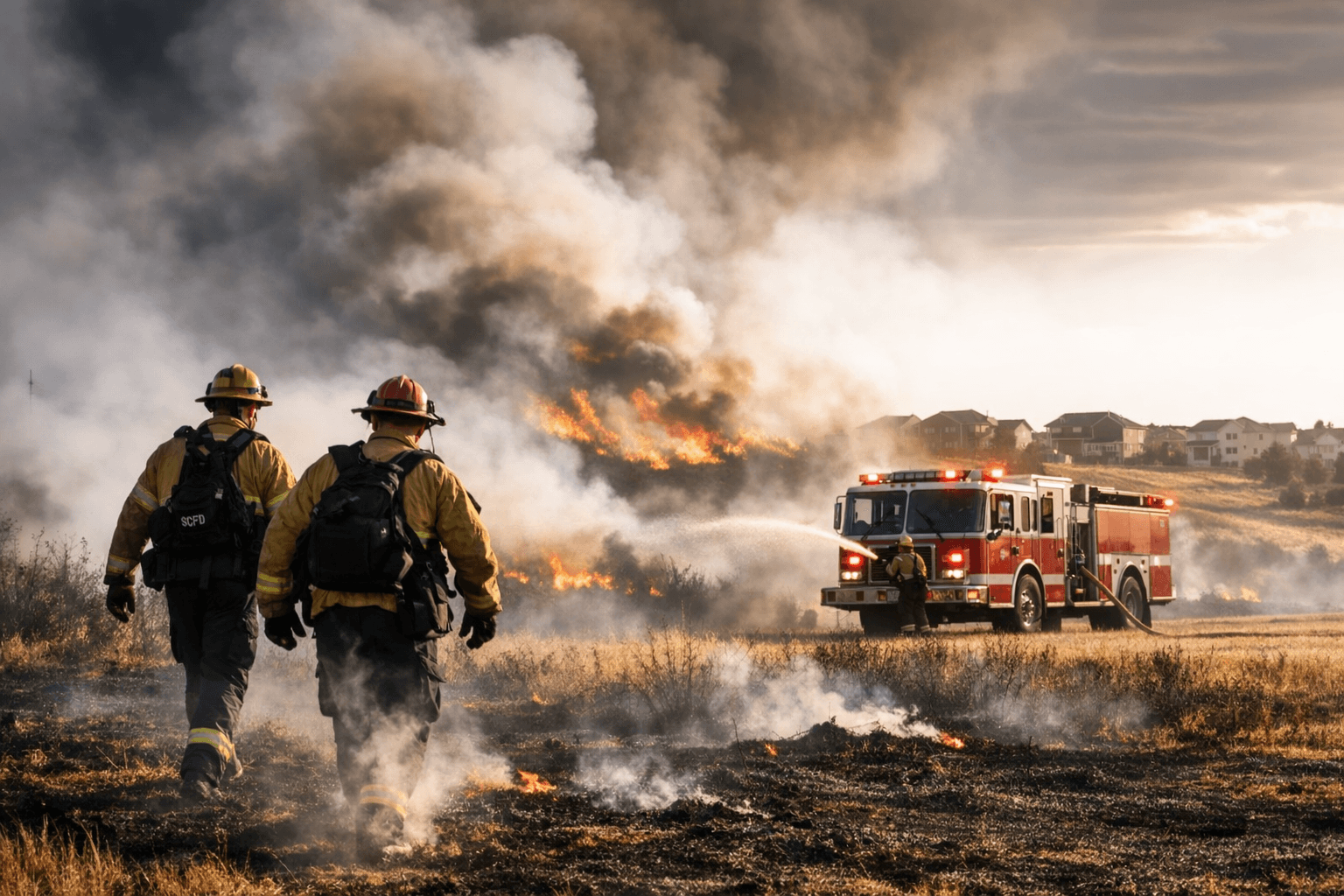
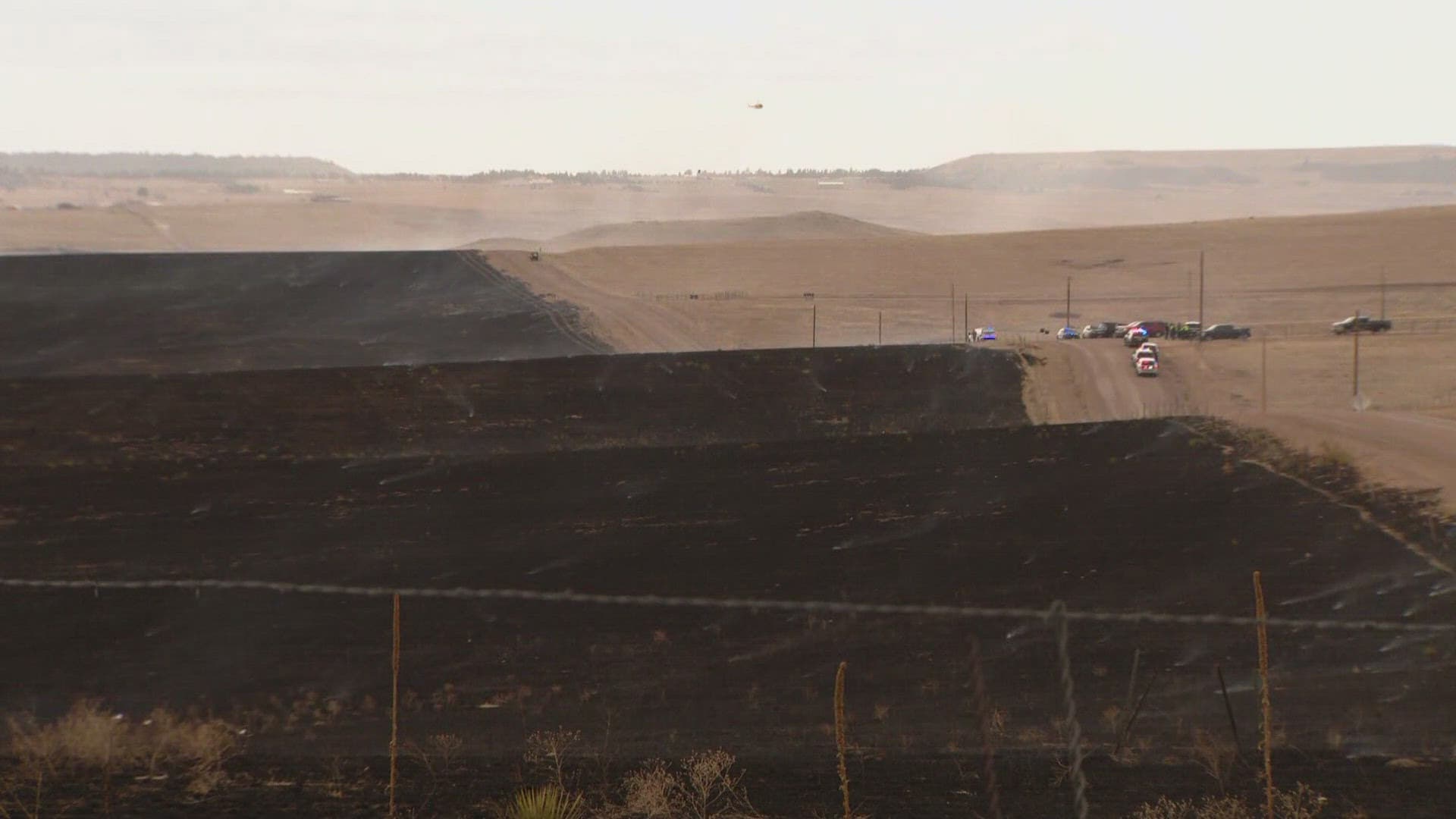
Douglas County Homeowners Urged to Follow Wildfire Preparation Checklist and Resources
Douglas County sits at the urban‑wildland interface — homeowners must be proactive year‑round: clear 30 feet of fuel, harden structures, pack a three‑day Go Bag, and sign up for CodeRed/Reverse 911.
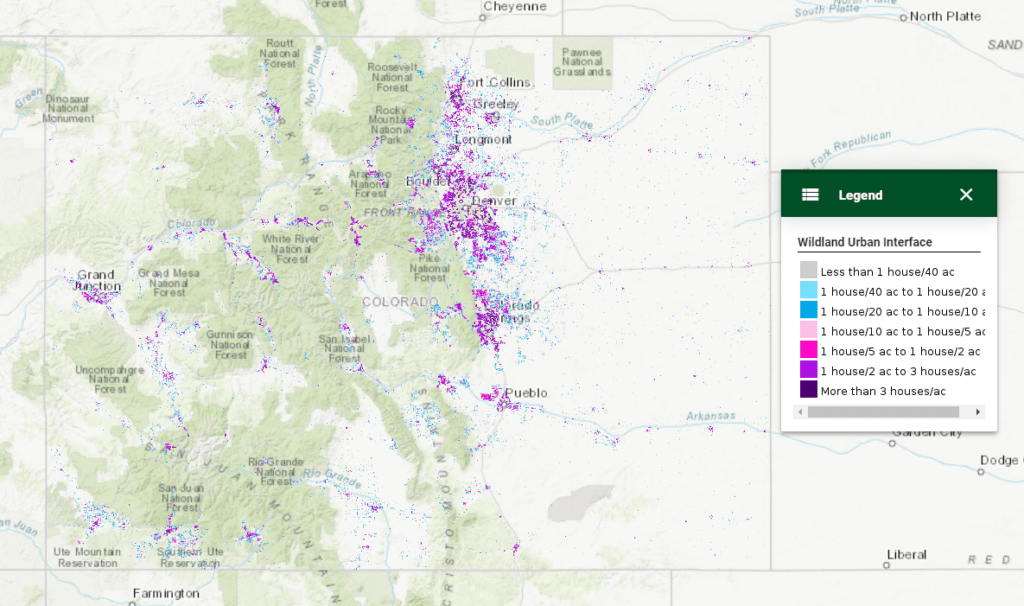
Douglas County sits at the urban‑wildland interface, and homeowners must be proactive about wildfire preparedness year‑round. This checklist combines specific, measurable actions you can take at home with local resources to contact for technical help, alerts, and community outreach.
1. Understand the local risk and your responsibility
Douglas County sits at the urban‑wildland interface and, as the Colorado State Forest Service puts it, “In Colorado, if you live in the wildland‑urban interface, it is not a matter of if a wildfire will impact your home and property, but when.” Homeowners have the ultimate responsibility to proactively prepare their property for wildfire; treat mitigation as an ongoing task, not a one‑time project. Note local contributors to state guidance include the Douglas County Office of Emergency Management (Jill Welle) and CSFS field staff, who can help direct neighborhood efforts.
2. Create a family emergency plan
Designate at least two evacuation routes from your neighborhood and decide where your family will meet if separated; practice your wildfire drill at least once per year. Include plans for children, elders, people with mobility challenges, and pets; Dcsheriff explicitly urges that if you know of an invalid or unattended child in your neighborhood, call them and tell them to remain indoors. Regular drills reduce panic and improve the chances that your household and neighbors will escape safely when a real incident occurs.
3. Build a Fire‑Ready Go Bag
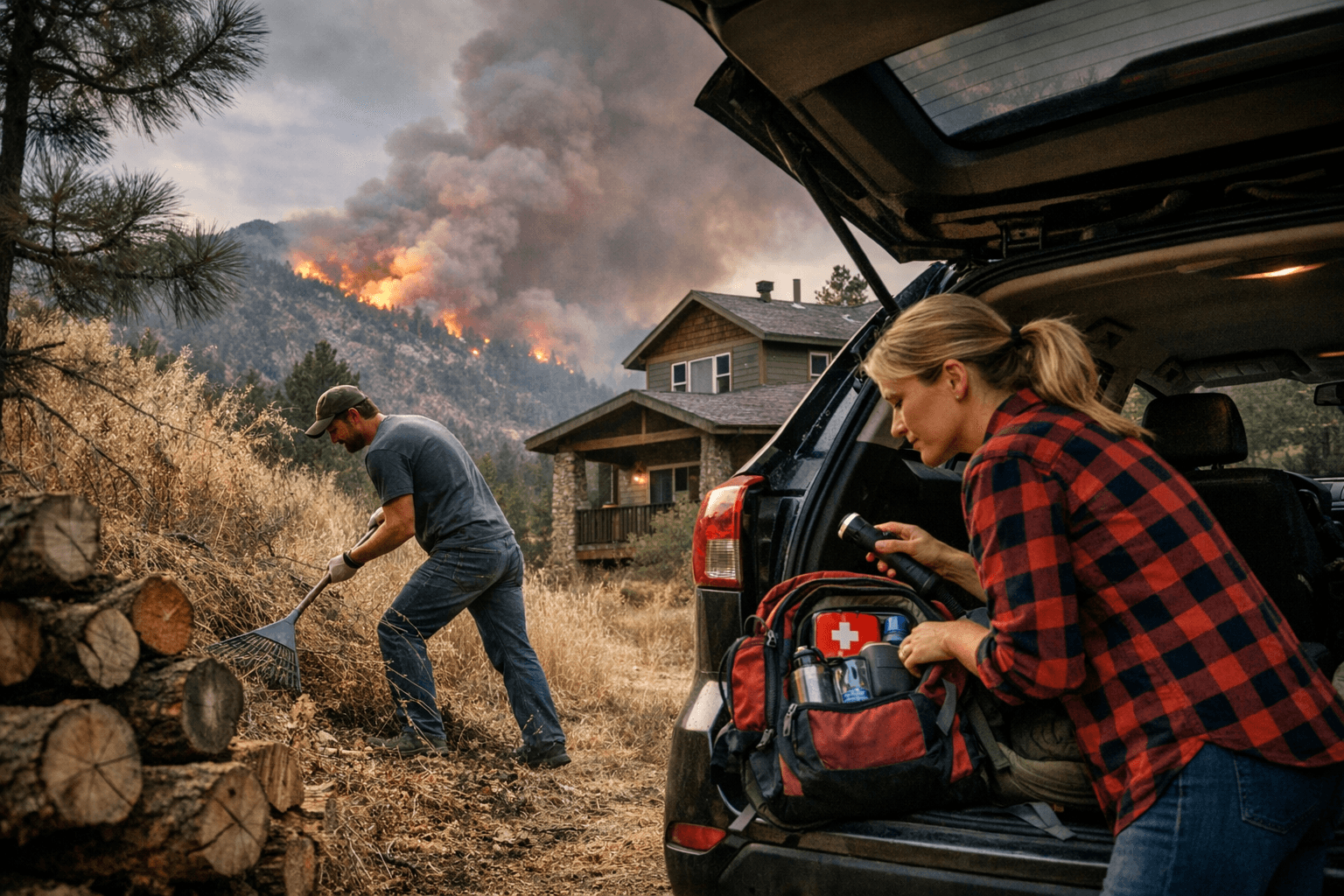
Prepare a Go Bag with important documents (ID, insurance, prescriptions), phone chargers and extra batteries, flashlights, a first aid kit, masks and personal hygiene items, and food and water for 3 days per person. Knotheadtree’s checklist lists these items exactly; keep your Go Bag in a grab‑and‑go place and review contents seasonally to replace expired meds or batteries.
4. Keep protective clothing by your Go Kit
Evergreen Wildfire outreach recommends keeping clothing that shields from heat and embers near your Go Kit — “Natural fabrics, such as heavy denim or pure wool are better than synthetics, no matter how hot it is.” Put these clothes on at the first sign of trouble: “If you can smell or see smoke, it's time to prepare.” Having the right clothing on immediately can reduce burn risk during hurried evacuations.
5. Sign up for alerts and know where to get official information
Sign up for Douglas County Emergency Alerts, Reverse 911 and National Weather Service wildfire warnings; county officials may also use CodeRed to telephone homes and businesses. During events, tune AM 850 for metro emergency broadcasts; Emergency Alert System (EAS) messages are broadcast on NOAA Weather Radios and on regular and cable television. Dcsheriff advises: “STAY OFF THE TELEPHONE: County officials may try to telephone your home or business using CodeRed. Do not call police, fire, or 9‑1‑1 unless you are reporting a police, fire or medical emergency at your location.”
6. Create and maintain defensible space (home ignition zone)
“Defensible space is a cleared zone around your home that reduces flammable materials and helps firefighters defend your property during a wildfire.” Clear dead grass, pine needles and leaves within 30 feet of your home, and develop zones around each building on the property — including detached garages, storage buildings and barns — as CSFS guidance states. Defensible space decreases fuel continuity and gives firefighters a safer perimeter to protect structures.
7. Trim, thin and manage trees to lower fuel load
Remove limbs that hang over roofs or power lines and trim tree branches at least 10 feet from chimneys or other trees. Space trees at least 10–15 feet apart where possible and thin dense canopies to reduce crown fire potential. CSFS materials document how tree thinning near Evergreen decreased fire intensity and boosted forest health; these practices reduce the odds of structure‑threatening fire behavior.
8. Make landscaping choices that reduce ignition risk
Plant low‑resin, low‑growing shrubs such as lilac or potentilla near homes, and avoid juniper, pine or cedar close to structures because they are “highly flammable.” Use non‑combustible mulch (like gravel) near foundations, maintain clean garden beds, and remove weeds and dead stems regularly. Thoughtful plant selection and maintenance are low‑cost, high‑impact steps homeowners can take immediately.
9. Harden decks, eaves and exterior features
Use fire‑resistant materials such as composite decking or metal fencing on exposed features and install 1/8‑inch metal mesh screening under decks and eaves to block embers. Keep decks swept and free of leaves, cushions and flammable furniture; clear pine cones, bark and debris from corners and under structures. These specific measures reduce ember entry points and slow an approaching fire's ability to ignite your house.
10. Remove and store combustibles safely
Move firewood piles at least 30 feet from your home and avoid storing propane tanks or flammable chemicals next to exterior walls. Clearing stacked materials, outdoor garbage and combustible play equipment gives embers fewer places to start secondary fires, and reduces the chance of flames spreading to your siding or windows.
11. Maintain your yard year‑round
Keep lawns mowed and watered during dry months, and routinely clear gutters and roofline debris — CSFS imagery and captions emphasize that “cleaning debris from gutters is a critical step to prevent home ignition.” Routine maintenance is essential for all properties but especially important for renters, mobile homeowners, and households with limited resources; consider organizing neighborhood cleanup days or partnering with community groups to help vulnerable neighbors maintain defensible space.
12. Decide early: evacuation triggers and one‑way neighborhoods
If you can smell or see smoke, it's time to prepare. Evergreen outreach notes that in “one way in, one way out” neighborhoods your escape route is predetermined; the source also records the common concern, “But fire engines will block my escape!” — this is a worry many neighbors share. Plan multiple routes where possible, keep your vehicle fueled and your Go Bag ready, and follow official evacuation orders conveyed via CodeRed/Reverse 911 and AM 850.
13. Shelter‑in‑place steps if you become trapped
If you are unable to evacuate, Dcsheriff advises: “Take yourself and anyone near you inside an enclosed structure, whether it’s a house, business, garage, or vehicle.” Close all doors, windows and other sources of outside air; turn off air conditioning or heating systems and close the fireplace damper. Gather a portable radio, flashlight and extra batteries, move into an interior room preferably with no windows, and cover doors, windows and vents with plastic sheeting and masking tape. If you have trouble breathing, “cover your nose and mouth with a damp washcloth, then take slow, shallow breaths and try to stay calm.” Evergreen messaging reinforces that “If you're unable to evacuate, it's probably safer INSIDE a car or building where your airway, eyes, and skin are protected!”
14. Where to get technical assistance and community outreach
Contact the Colorado State Forest Service field office for property‑specific guidance; CSFS recommends consulting a forester, fire department staff or organizations trained in wildfire mitigation. Rotary Wildfire Ready — a partnership of the Rotary Club of Evergreen and Conifer Rotary — exists “to engage our mountain communities in best practices to protect our homes, our environment, our way of life, our very lives.” Visit rotarywildfireready.com and follow Evergreen Fire Rescue on Facebook (facebook.com/EVERGREENFIRERESCUE/) and Twitter (twitter.com/efr_co) for local outreach and educational events.
15. Know larger forest programs and cost‑share opportunities
For small forest landowners, Washington State DNR’s Service Forestry Program can provide technical assistance and potential cost‑share help for non‑federal owners of fewer than 5,000 acres; contact the Wildland Fire Management Division at 360‑902‑1300 or wd@dnr.wa.gov for program details. Note: these DNR contacts are for Washington State; for Colorado‑specific cost‑share or technical assistance, work with CSFS field staff and the Douglas County Office of Emergency Management.
16. Public health, equity and community action
Wildfire preparedness is as much a public health and equity issue as it is a property one — smoke, lost housing, and evacuations hit elders, people with chronic illness and low‑income families disproportionally. Coordinate with the Douglas County Office of Emergency Management (Jill Welle) and local nonprofits to identify neighbors who need help with defensible space work, transportation during evacuations, or replacement of emergency supplies. Collective planning reduces acute medical impacts from smoke and improves survival odds during evacuations.
Final point Preparation reduces risk and protects community health: clear the 30‑foot zone around structures, harden your home with the specified materials and mesh, keep a three‑day Go Bag and protective clothing ready, and sign up now for CodeRed/Reverse 911 and AM 850 emergency broadcasts. The Colorado State Forest Service reminder is stark and practical: “Homeowners have the ultimate responsibility to proactively prepare their property for wildfire.” Start today and coordinate with local fire agencies, CSFS field staff and Rotary Wildfire Ready to make those preparations equitable and sustainable across Douglas County.
Know something we missed? Have a correction or additional information?
Submit a Tip