Douglas County Opioid Council Asks Residents to Prioritize Opioid Settlement Spending
Douglas County’s Opioid Council is asking residents to complete a prioritization survey by March 9 to help shape how $7.26 million in opioid settlement funds are spent.
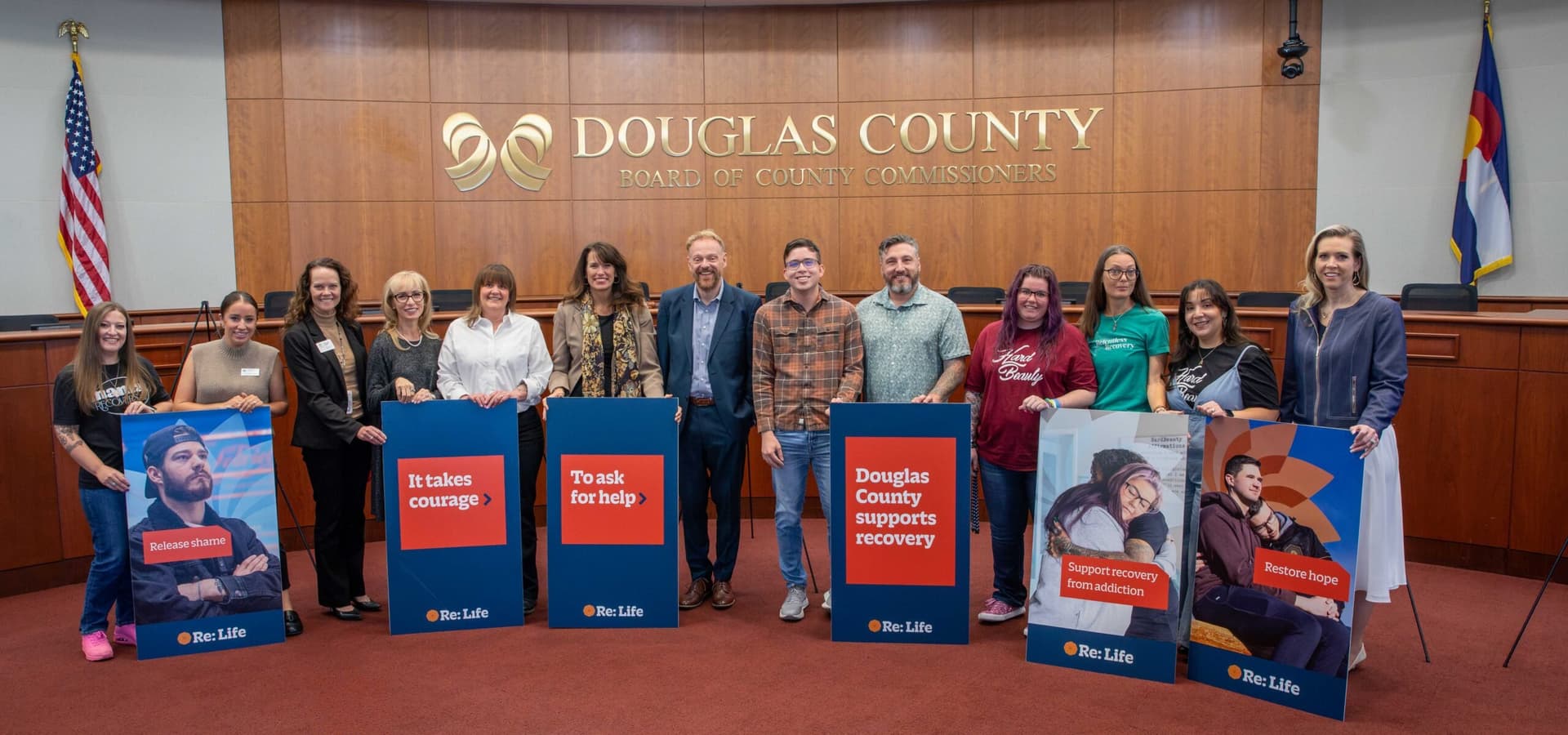
The Douglas County Opioid Council has invited residents to complete a short prioritization survey by March 9 to help decide how local opioid‑settlement funds should be spent, saying “To help ensure allocated funds reflect the community’s most pressing needs, the Council is asking residents to complete a short prioritization survey. Community feedback will directly inform future funding decisions and program investments.” The invitation was posted by county officials on Feb. 19 and links public input directly to the council’s allocation process.
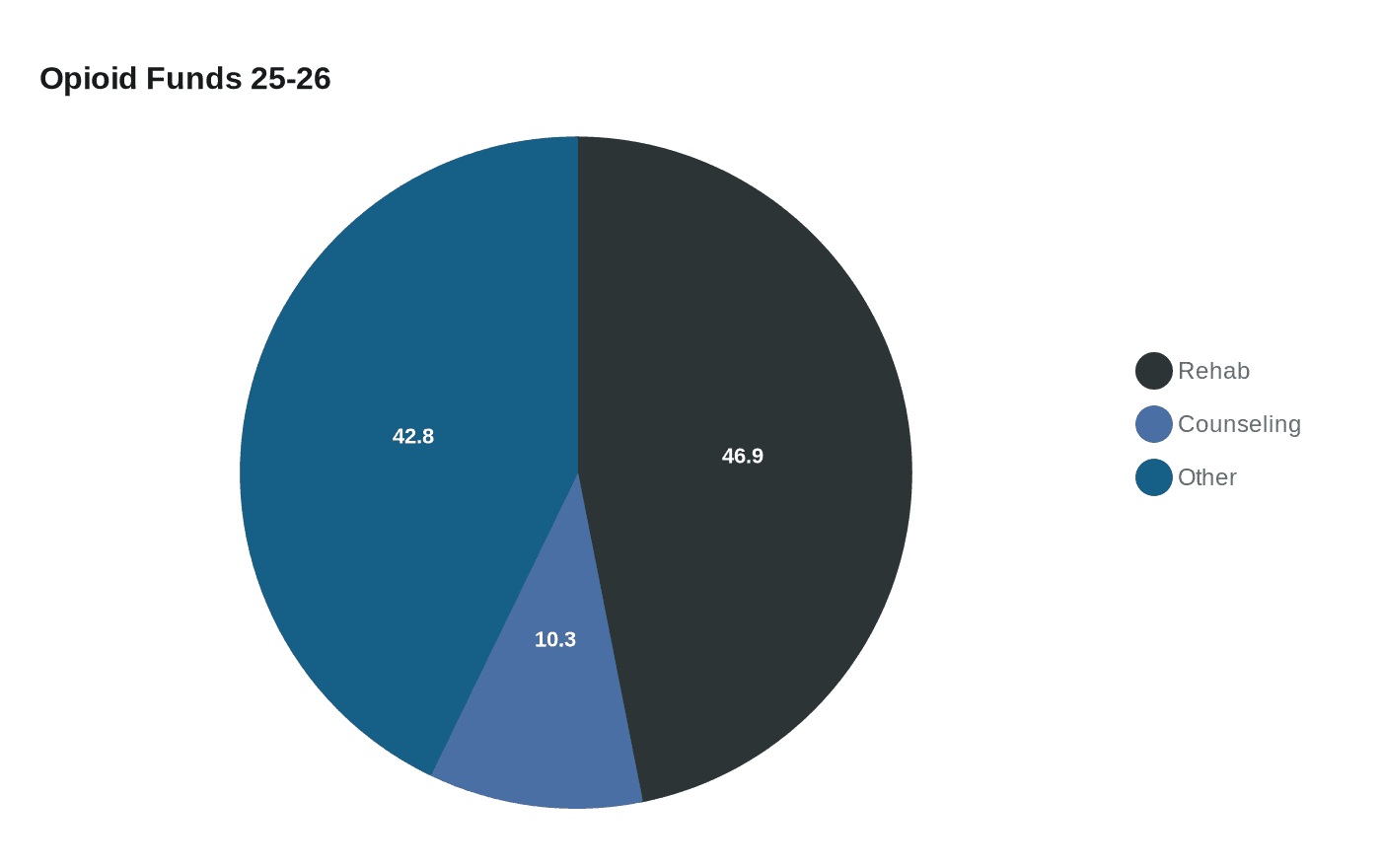
Financial context is substantial: the 2025–2026 spending report, as reported by The Denver Gazette, shows the county has $7.26 million available for opioid response priorities. That reporting indicates the majority of that funding - some $3.4 million - is slated for rehabilitation resources, while $745,318 has been earmarked for counseling and peer support. Commissioner Abe Laydon, co‑chair of the county’s opioid council, has emphasized rehabilitation and case management as the county priority.
Douglas County has already distributed more than $1.7 million in settlement awards. County posts detail that roughly $1.1 million was distributed in 2024 to seven organizations and initiatives, including AllHealth Network, HardBeauty Foundation and the Douglas County School District to expand peer support, youth prevention, transportation, case management and public awareness. In 2025 the council awarded an additional $667,000 to HardBeauty and Valley Hope of Parker to strengthen peer recovery support and assist individuals entering sober living environments; those figures total about $1.767 million, consistent with the county’s “more than $1.7 million” statement.
Council priorities reported by local outlets align with the spending plan: withdrawal and case management, a community response team, peer support, medication and transportation for treatment. The spending allocations cited in the 2025–2026 report translate those priorities into dollar amounts, with rehabilitation and counseling/peer support among the largest line items.
The county is also directing funds to youth prevention. The Douglas County School District received $124,000 for drug prevention work and the council allocated $180,000 to develop a youth campaign aimed at helping teens, designed to give young people a voice via social media or other mediums. Commissioner Laydon framed the campaign as aspirational: “We launched a campaign not just against substance use disorder, but for something much greater – for hope, for healing, for the power of choice and for the future of every young person in our community.” Dr. Kelli Smith, director of health, wellness and prevention for the Douglas County School District, said “We know that healthy truths reduce substance use. It’s an evidence based social norm approach to substance abuse prevention and reduction of alcohol or drug use in teams.” Smith also warned that misleading social‑media messages that suggest “Everyone is doing it” can distort teen perceptions; reporting noted some teens said they began using drugs around age 11 or 12.
Voices in recovery are part of the conversation. A person identified as Scheleski described using withdrawal resources and peer networks during recovery and said, “We’re just basically all supporting each other through sobriety, whether your story is you just used drugs a few times and dabbled here and there, or you were on the streets. Everybody is going through something hard.”
Transparency questions remain. The county post did not publish the survey URL or the full 2025–2026 spending report for public review, and the complete list of the seven 2024 award recipients with individual grant amounts was not included in county excerpts. County officials say community feedback will shape future investments; residents who want their priorities reflected should complete the survey by March 9 so the council can factor public input into upcoming funding decisions.
Sources:
Know something we missed? Have a correction or additional information?
Submit a Tip