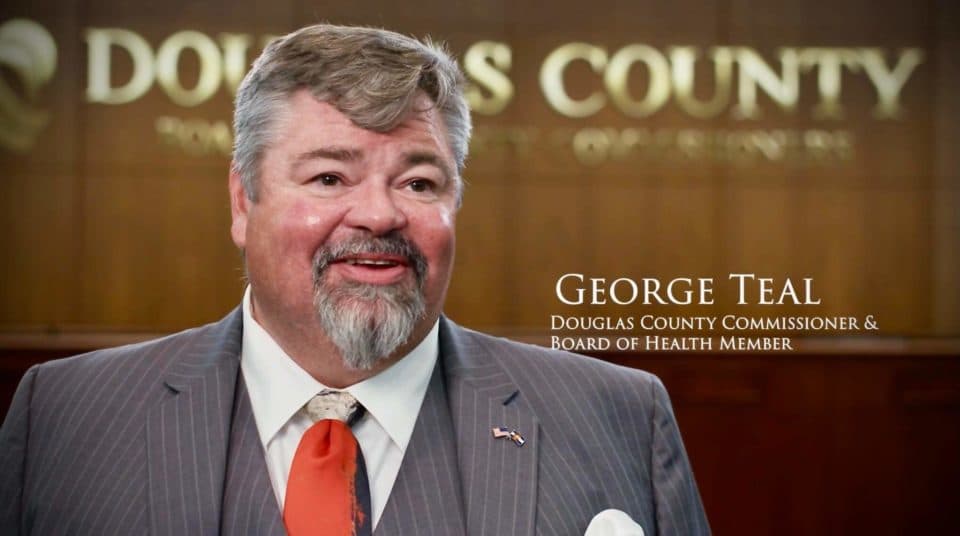
Douglas County sues state over U-visa statute's constitutionality
Douglas County officials sued Colorado over a law setting U-visa procedures, arguing it undermines prosecutorial discretion and threatens public safety.
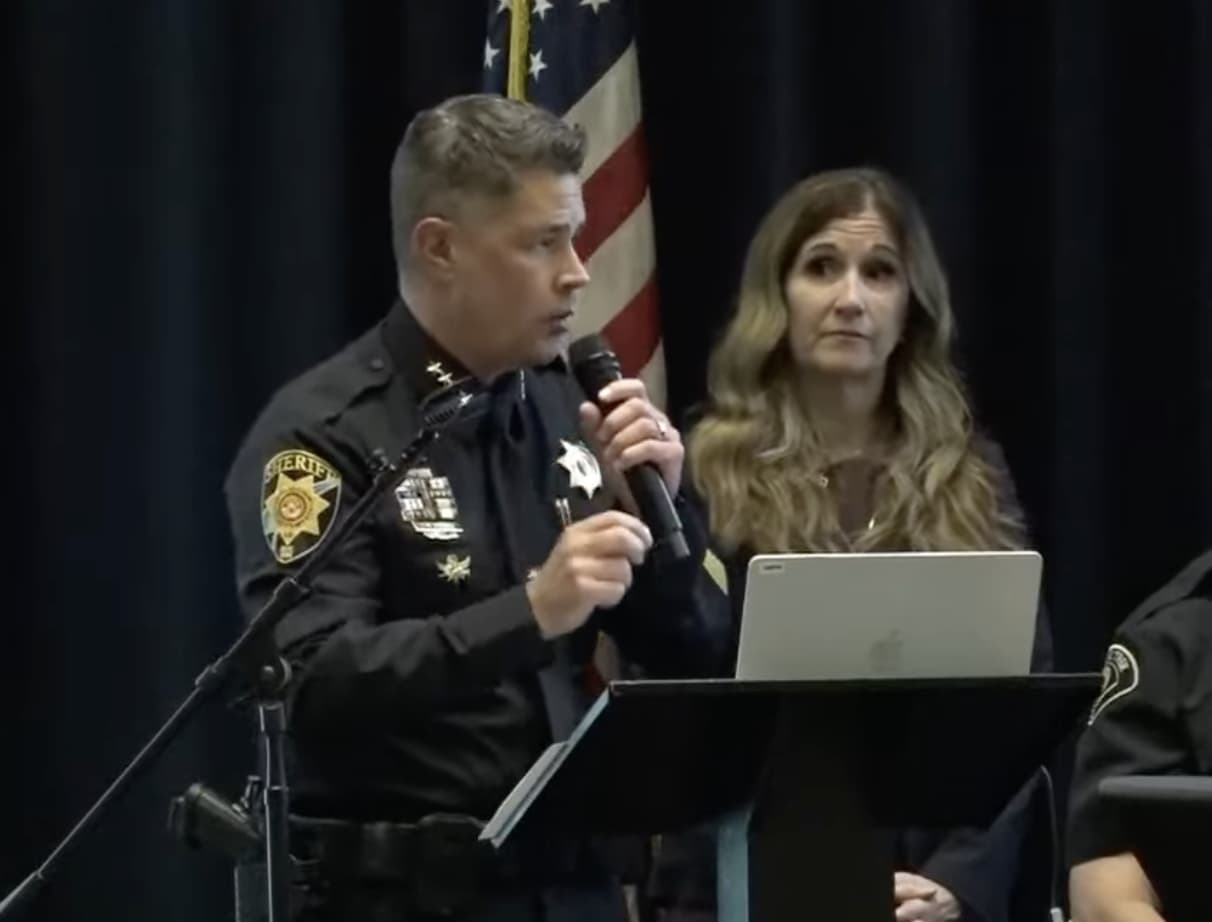
Douglas County Sheriff Darren Weekly and District Attorney George Brauchler filed suit Wednesday against Gov. Jared Polis and three state officials, arguing a 2021 statute that governs U-visa processing unlawfully intrudes on state prosecutorial discretion and poses public safety risks.
The complaint names Colorado Attorney General Phil Weiser, Department of Public Safety Director Stan Hilkey and Division of Criminal Justice Director Matt Luan as defendants. At issue is House Bill 1060, a 2021 law that establishes timeframes for approving or denying U nonimmigrant status applications, bars law enforcement from disclosing certain information about U-visa recipients to federal immigration authorities and requires agencies to provide crime victims with information about the U visa program. The plaintiffs are also seeking an injunction to prohibit further enforcement of House Bill 1061.
U visas are a federal immigration classification reserved for victims of qualifying crimes who have suffered mental or physical abuse and are assisting in the detection, investigation or prosecution of those crimes. In their suit, Brauchler and Weekly contend the state statute conflicts with federal immigration law by constraining what state officials may consider when assessing an applicant’s value to criminal prosecutions.
Brauchler framed the suit as a defense of prosecutorial judgment, arguing the law interferes with decision-making about which cases merit the use of limited immigration-related tools. He said, “This misguided law attempts to force Colorado officials to rubber-stamp U-Visa applications, instead of exercising independent judgment as to which cases warrant the use of these powerful and scarce tools. The legislature has again injected politics into immigration law by converting this valuable tool for law enforcement into a ‘golden ticket’ to stay in America, even if the non-citizen can do nothing to hold a bad guy accountable or improve public safety.”
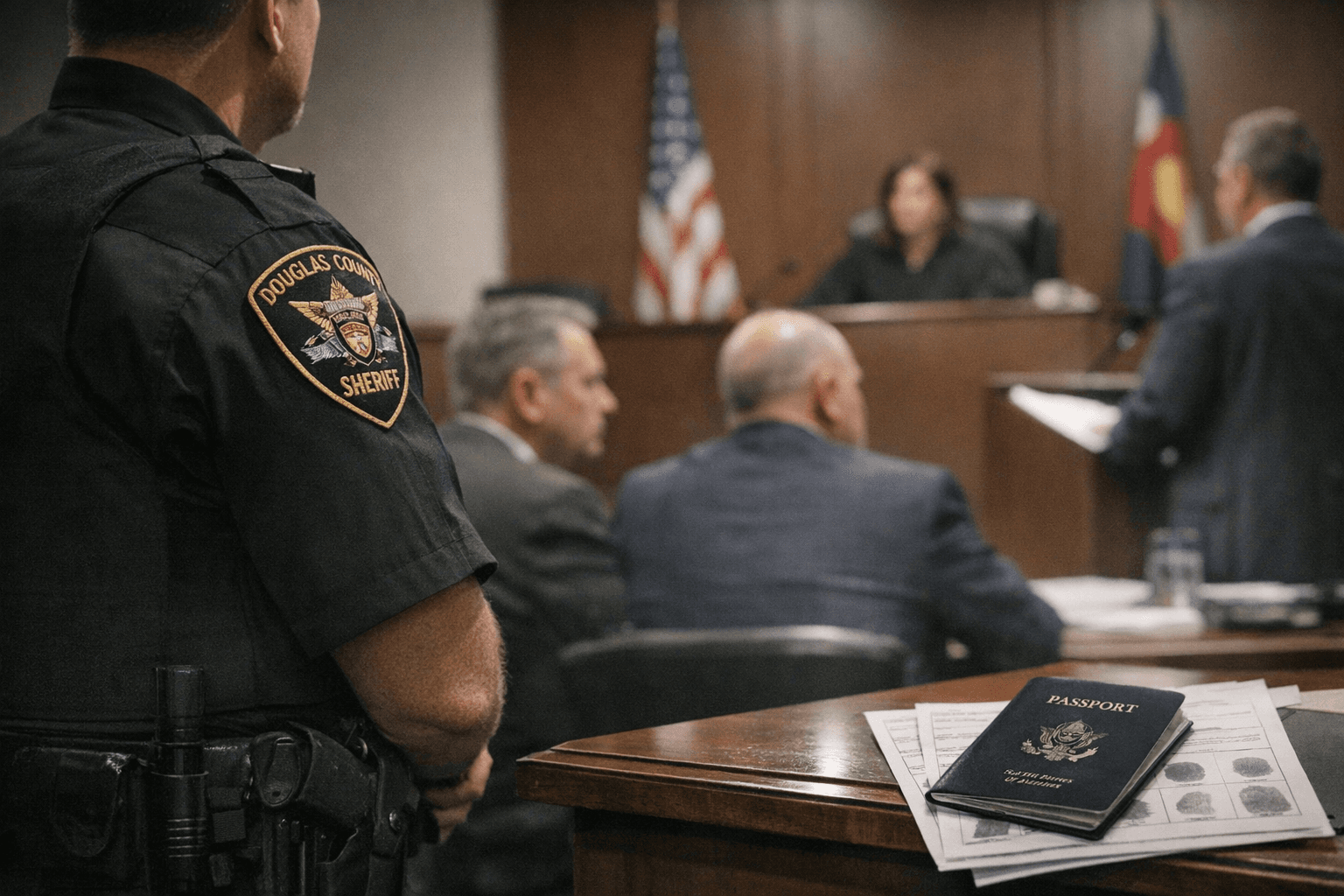
Sheriff Weekly emphasized operational concerns tied to information sharing limits, warning the statute carries “serious public safety consequences” by constraining what law enforcement can provide to federal immigration authorities.
For Douglas County residents the dispute has direct implications. Prosecutors and sheriff’s deputies say their ability to weigh an applicant’s cooperation and the evidentiary value of testimony could be hamstrung, potentially affecting case outcomes and investigations. Victims who may qualify for U visas face uncertainty about how quickly applications will move and whether their cooperation with local authorities will influence immigration outcomes. The suit raises broader questions about how state law aligns with federal immigration priorities and who makes final determinations when the interests of criminal justice and immigration enforcement intersect.
The lawsuit asks the court to block enforcement while litigation proceeds; the coming weeks will reveal whether a judge will grant injunctive relief and clarify how Colorado’s statutory scheme should operate. For now, county officials say the legal challenge is intended to preserve prosecutorial discretion and the integrity of local investigations as the case moves through the courts.
Sources:
Know something we missed? Have a correction or additional information?
Submit a Tip