Dow falls 400 points as oil fears drive yields higher
Oil fears pushed yields to multimonth highs, sending the Dow down about 400 points and pressuring retirement accounts and borrowing costs.
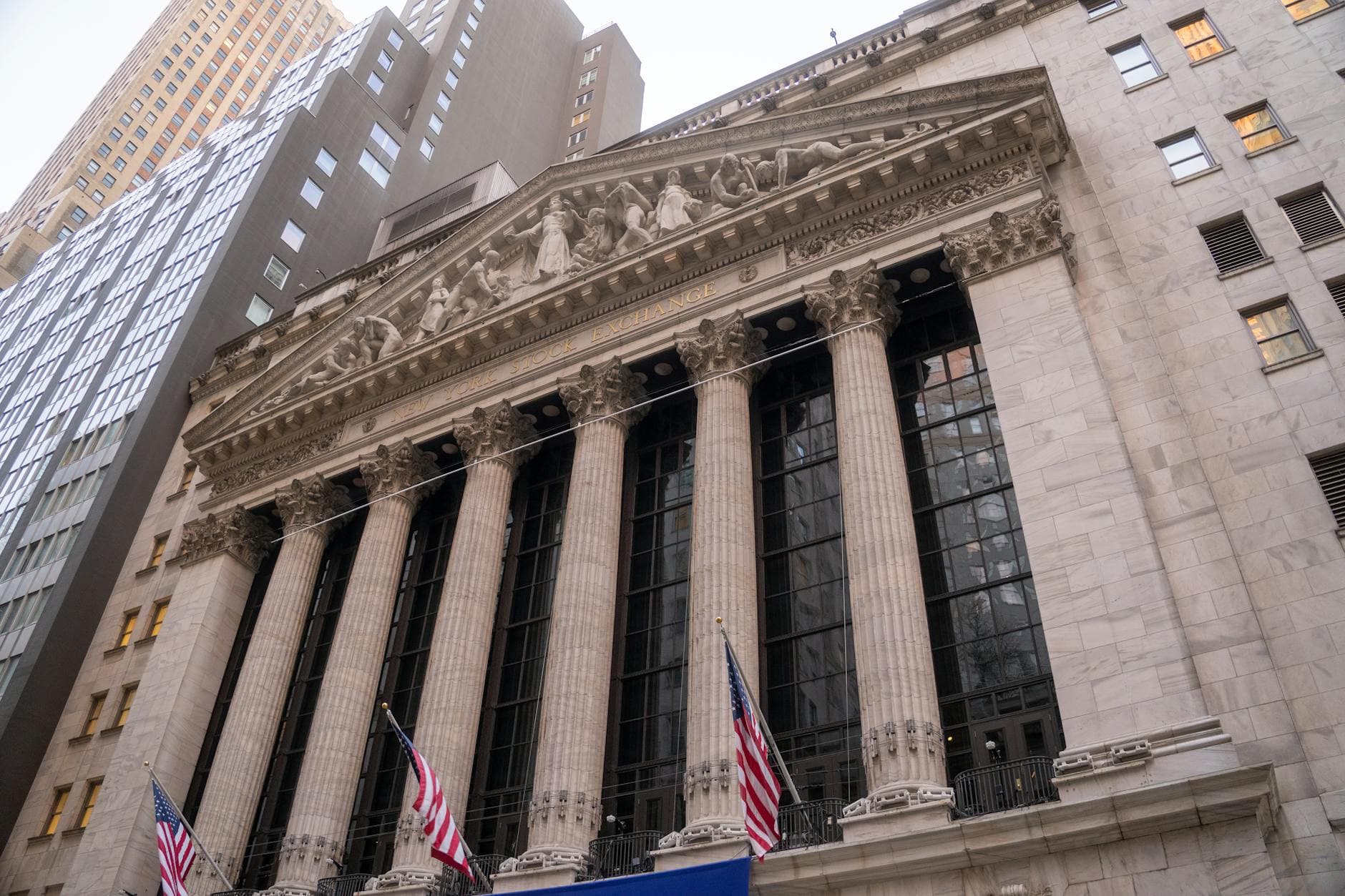
Higher oil prices rippled through Wall Street and straight into household finances on May 15, 2026, as the Dow fell about 400 points and Treasury yields climbed on renewed inflation fears tied to the Middle East conflict. The sell-off hit a market that had just been setting records, leaving retirement accounts more exposed to a pullback after the S&P 500 and Nasdaq Composite closed at fresh highs the day before.
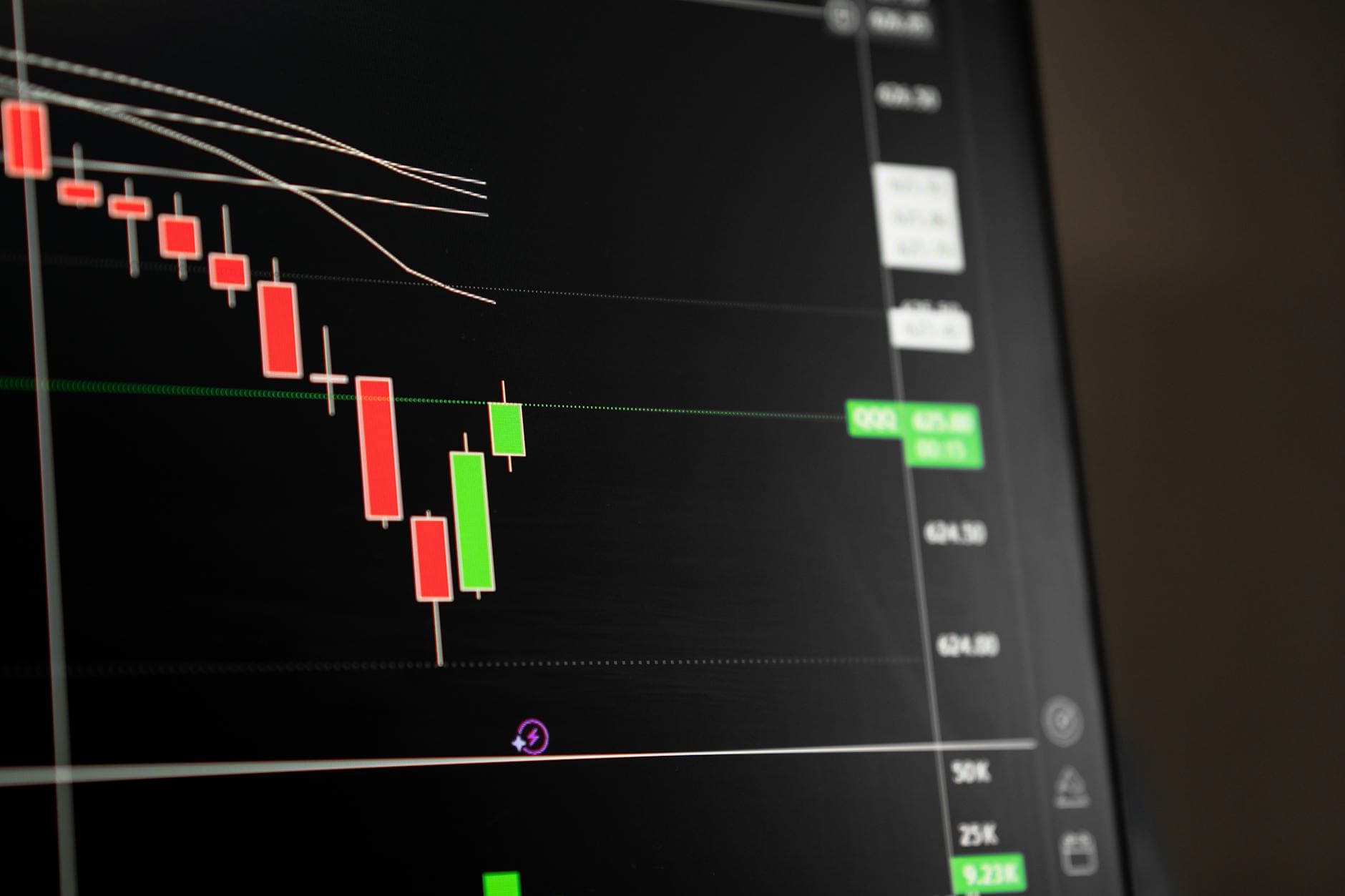
Nasdaq- and S&P 500-linked futures were down more than 1% in premarket trading as investors reassessed how far rising energy costs could keep inflation elevated. Reuters said the move threatened the AI-fueled rally that had carried stocks higher in recent sessions, while tech shares gave back gains as traders locked in profits after the recent run-up. The reversal came after the S&P 500 and Nasdaq had closed at record highs on May 14, only to retreat as pressure built from higher yields and geopolitical uncertainty.
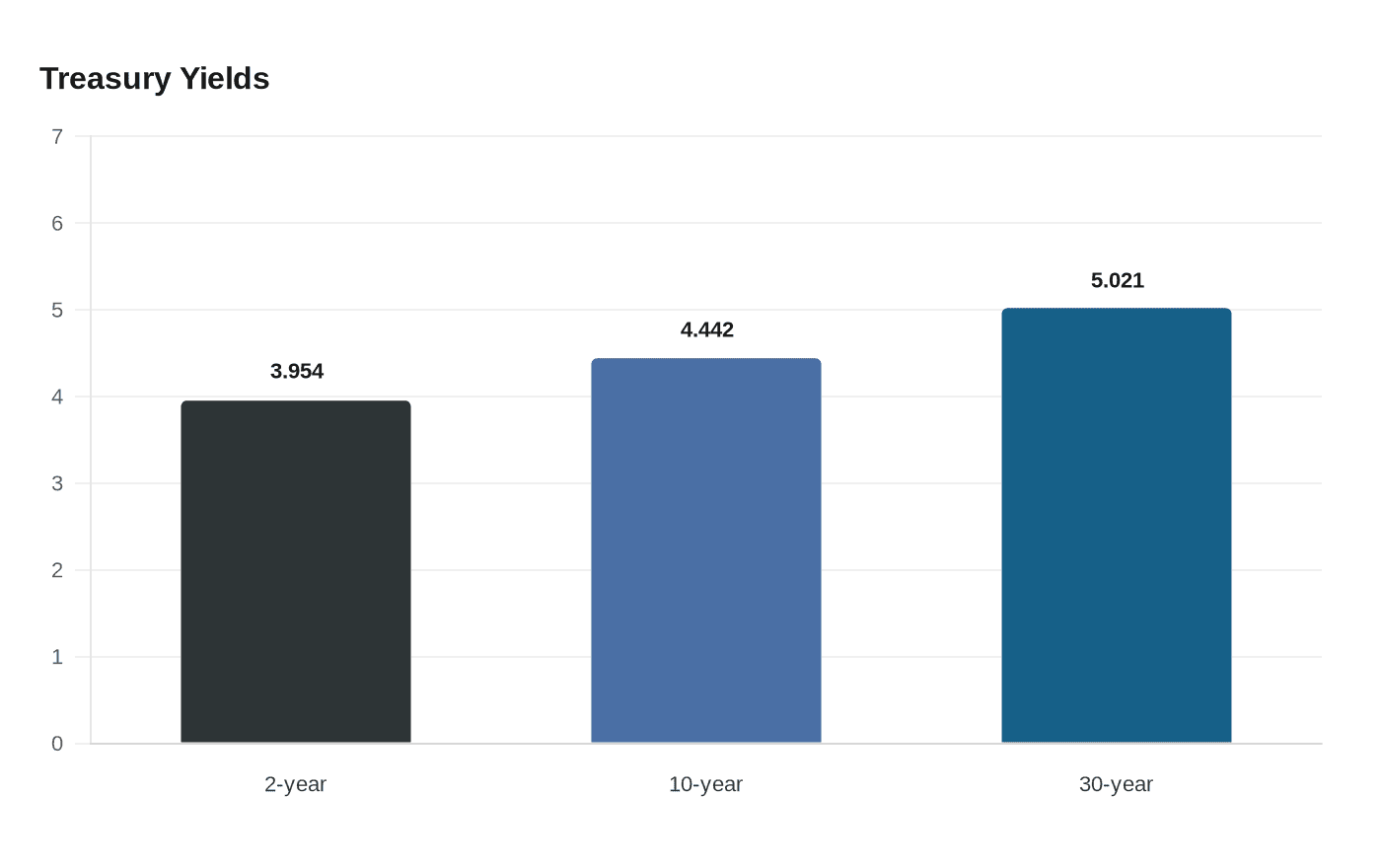
Bond markets flashed the warning first. Earlier in the week, the 2-year Treasury yield rose to 3.954%, the 10-year yield to 4.442%, and the 30-year yield to 5.021% as traders weighed the inflation impact of more expensive energy. Those levels matter well beyond Wall Street: higher yields raise borrowing costs across the economy, from mortgages and auto loans to corporate debt, while also making future profits look less valuable in stock-market models that favor long-duration growth names.
The market mood was also shaped by politics and geopolitics. Investors were watching tensions in the Middle East, including Iran-related worries, while also looking for any signal from the Trump-Xi summit that could steady global markets. NBC News reported that a prior market drop had already erased more than 400 points from the Dow and cut nearly 1% from the S&P 500 amid Iran-war fears, underscoring how quickly the oil story can become a broader risk-off trade.
For investors, the key question is whether this is a one-day panic or the start of a longer stretch of higher-for-longer rates. If oil keeps feeding inflation expectations, Treasury yields can stay elevated, and that would keep pressure on retirement portfolios, consumer confidence, and the cost of money across the U.S. economy.
This article was produced by Prism’s automated news system from verified source data, official records, and press releases, then run through automated quality and moderation checks before publishing. The system is built and supervised by the people who set the standards it runs under. Read our full AI policy.
Did this article answer your question?

%3Amax_bytes(150000)%3Astrip_icc()%2FCertificate-of-deposit-2301f2164ceb4e91b100cb92aa6f868a.jpg&w=1920&q=75)
