Panama Canal rules out vessel limits despite looming El Niño drought
Panama Canal officials kept 2026 passage limits off the table, even as NOAA put the odds of an El Niño pattern at 82% for May-July and 96% for winter.

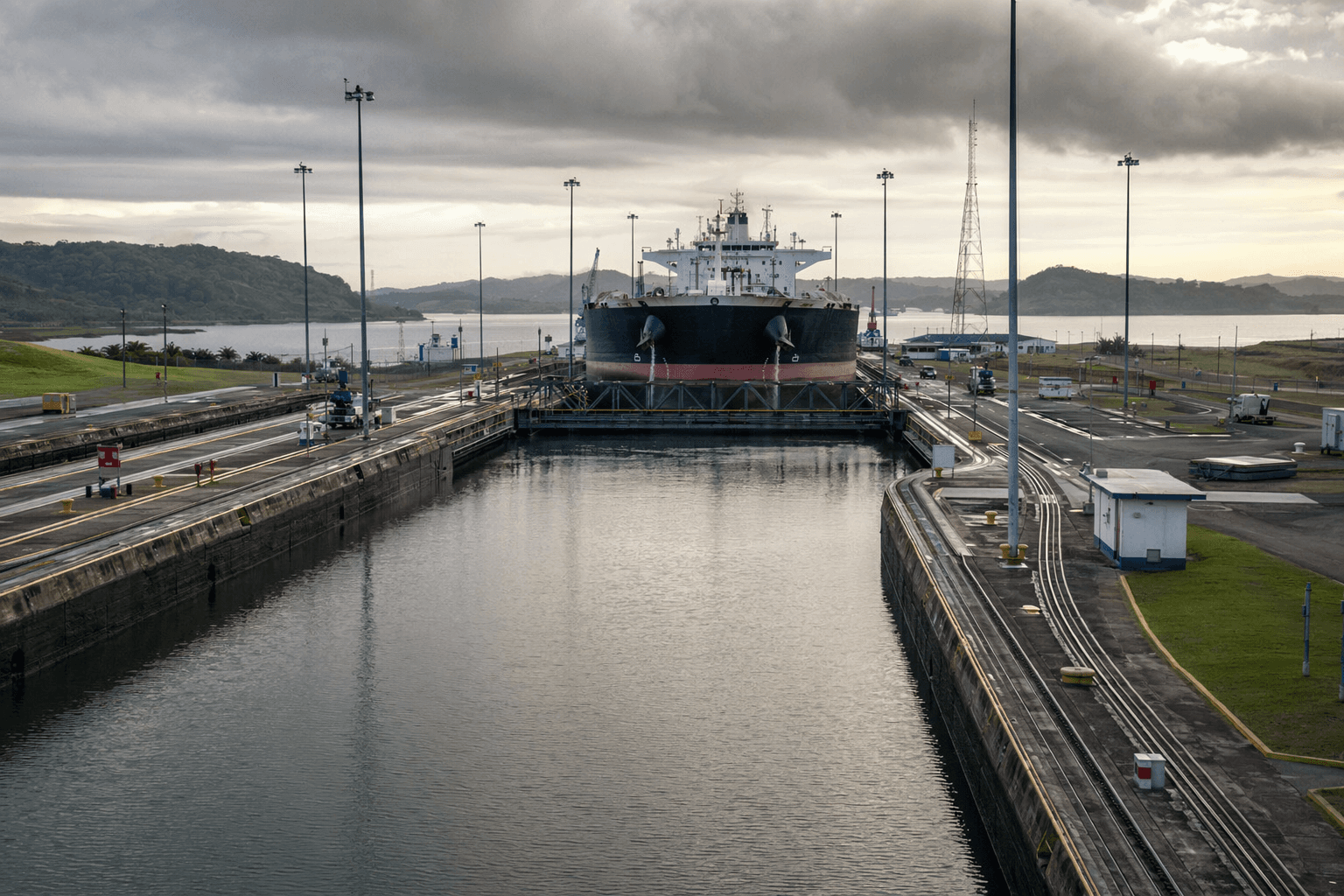
The Panama Canal said it will not impose vessel passage restrictions for the rest of 2026, even as forecasters warn that El Niño could return and deepen drought risk across Panama. For U.S. importers and exporters, that is more than a local weather update: the canal is one of the world’s most important shipping chokepoints, and any squeeze on transits can push up freight costs, slow schedules and complicate deliveries of energy, grain, consumer goods and industrial cargoes.
The canal authority said it is currently allowing 38 ships a day, a pace that sits at the upper end of its own estimate of maximum sustainable capacity, about 36 to 38 vessels daily. That makes the decision not to reintroduce limits a strong signal that officials believe they can keep the waterway moving through the year without repeating the severe bottlenecks that rattled shippers during the last drought.
The reassurance, however, is being tested by the weather outlook. NOAA’s Climate Prediction Center said on May 14 that El Niño is likely to emerge between May and July 2026 and persist through at least the end of the year. Its forecast gives an 82% chance of El Niño in the May-July period and a 96% chance in December 2026-February 2027. The U.S. National Weather Service has said such a pattern would normally reduce rainfall in Central America, raising the odds of renewed water stress.
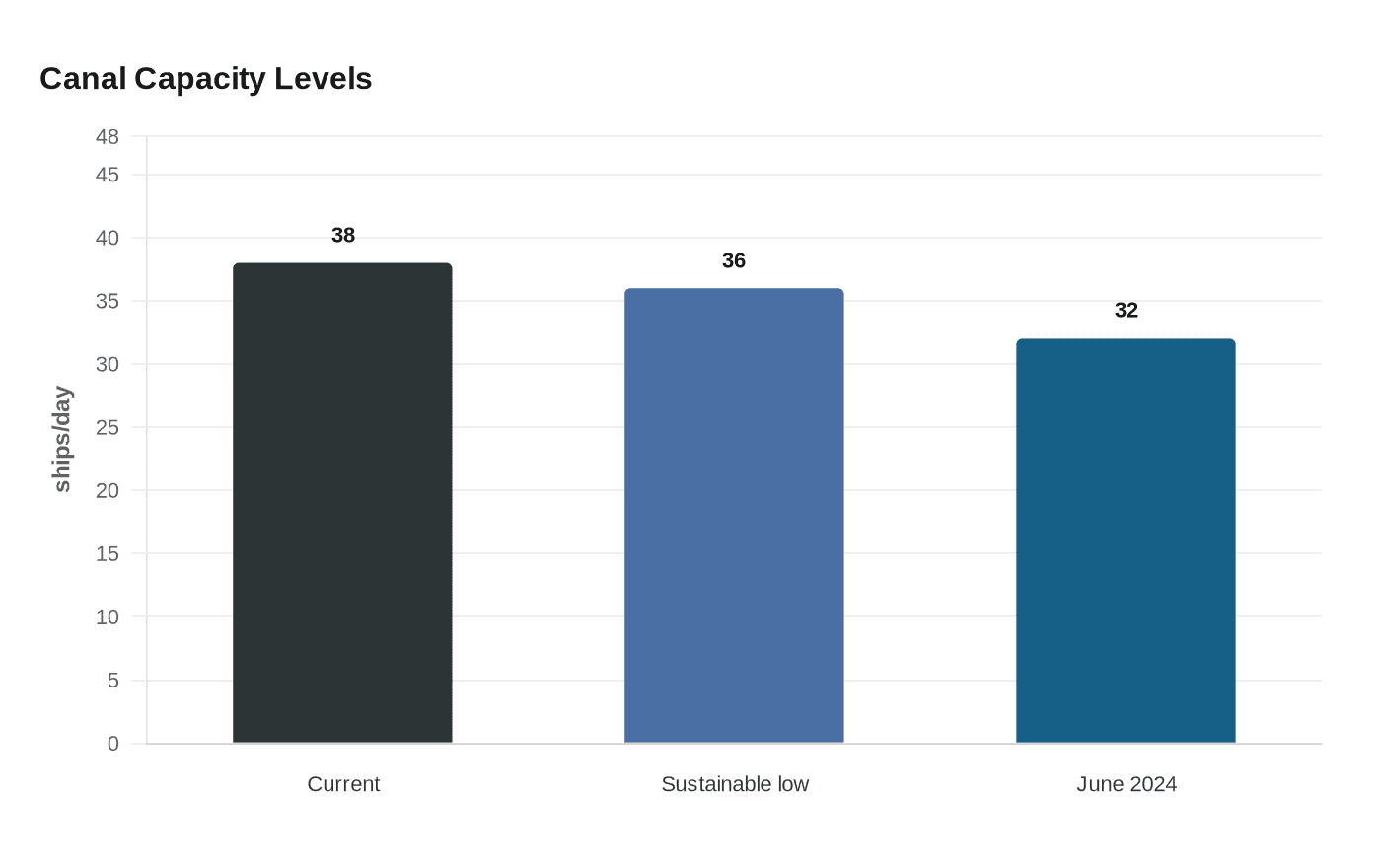
That concern is sharpened by the canal’s own recent history. During the 2023-2024 drought, water shortages forced transit cuts and created long waiting times for vessels, a disruption that rippled into freight rates and shipping schedules far beyond Panama. In June 2024, the canal authority said daily capacity had been adjusted to 32 vessels because of low water levels in Gatun Lake and Alajuela Lake. Fiscal 2024 deep-draft transits totaled 9,944, a 21% drop from fiscal 2023, and other reporting on the period put the overall decline at about 29%.
The stakes are higher now because demand has risen in recent months as conflict in the Middle East has disrupted other routes, including traffic through the Suez Canal. The U.S. Energy Information Administration said in 2024 that canal traffic was increasing as drought conditions eased after the restrictions, underscoring how quickly Panama’s water balance can move global trade. For now, the canal is betting it can avoid another crisis, but the next hard drought would still land directly on U.S. supply chains and shipping prices.
This article was produced by Prism’s automated news system from verified source data, official records, and press releases, then run through automated quality and moderation checks before publishing. The system is built and supervised by the people who set the standards it runs under. Read our full AI policy.
Did this article answer your question?
%3Amax_bytes(150000)%3Astrip_icc()%2FCertificate-of-deposit-2301f2164ceb4e91b100cb92aa6f868a.jpg&w=1920&q=75)