Dow hits record as Wall Street rallies on U.S.-Iran talks
The Dow hit an intraday record as traders bet on U.S.-Iran talks, even as oil climbed and consumer sentiment sank to a record low of 44.8.

Wall Street’s latest rally ran through Tehran and the Strait of Hormuz, not just through corporate earnings. Hopes that U.S.-Iran diplomacy could ease a nearly three-month-old Middle East conflict helped push stocks higher Friday, while Treasury yields eased and the Dow Jones Industrial Average touched an intraday record high for the first time since the war began.
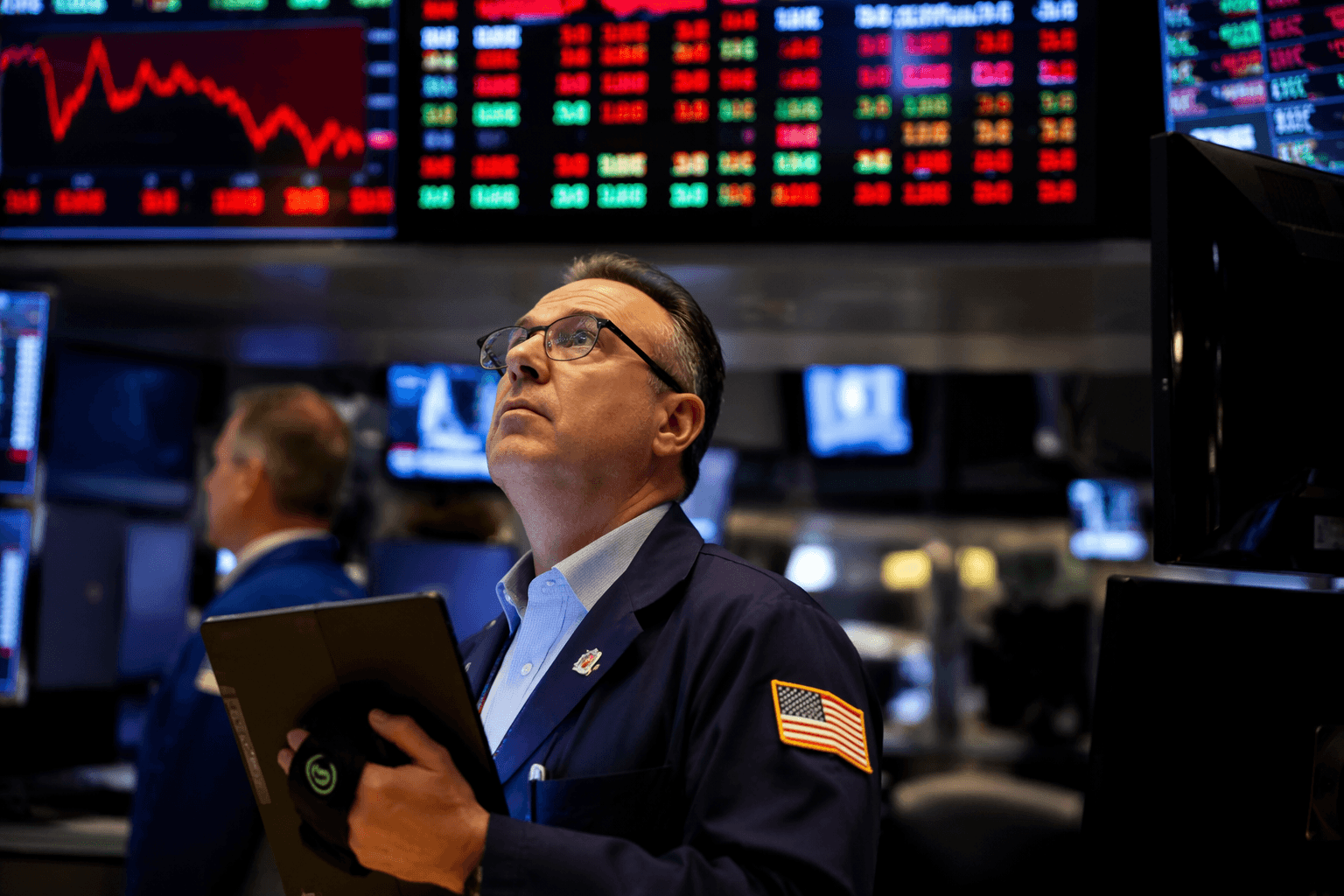
The Dow later finished up 294 points, or 0.58%, after rising as much as about 1% during the session. The S&P 500 added 0.37% and the Nasdaq Composite gained 0.19%, with semiconductor shares mostly higher. The S&P 500 was on track for an eighth straight weekly gain, which would be its longest winning streak since December 2023. For investors with retirement accounts tied to broad U.S. equities, the session extended a run of paper wealth even as the market’s direction remained heavily dependent on geopolitical headlines.
Those headlines cut both ways. U.S. crude futures rose more than $1 in early trading as investors doubted a quick breakthrough, and the underlying dispute remained focused on Tehran’s uranium stockpile and control over the Strait of Hormuz, a chokepoint for global oil flows. Iran said the latest U.S. proposal partly bridged the gap, but major differences remained. Marco Rubio, the U.S. secretary of state, said there were “good signs” but more work was needed. That uncertainty is why every turn in the negotiations now carries direct implications for gasoline prices, inflation expectations and the cost of borrowing across the U.S. economy.
The market’s optimism stood in stark contrast to household sentiment. The University of Michigan’s consumer sentiment index fell to 44.8 in May, a record low and below the prior historical trough set in June 2022. The survey found 57% of consumers spontaneously cited high prices as eroding their finances, up from 50% in April, while year-ahead inflation expectations rose to 4.8% from 4.7%. The drop was especially sharp among lower-income households and those without college degrees, and Independents and Republicans registered their weakest readings of the current presidential administration.
That split-screen is becoming the defining feature of the market story: traders are betting that diplomacy can cap oil and support asset prices, while consumers are still feeling the pressure at the pump and at the grocery store. If talks advance, lower energy costs could quickly improve inflation math; if they fail, the jump in crude could spill into prices, sentiment and spending just as Wall Street is celebrating another winning week.
This article was produced by Prism’s automated news system from verified source data, official records, and press releases, then run through automated quality and moderation checks before publishing. The system is built and supervised by the people who set the standards it runs under. Read our full AI policy.
Did this article answer your question?