Dozens of blackouts leave hundreds of thousands in Russia without heat
Since December, at least a dozen major outages have cut power and central heating across Russia, forcing evacuations and emergency shelters and exposing a failing utility system.
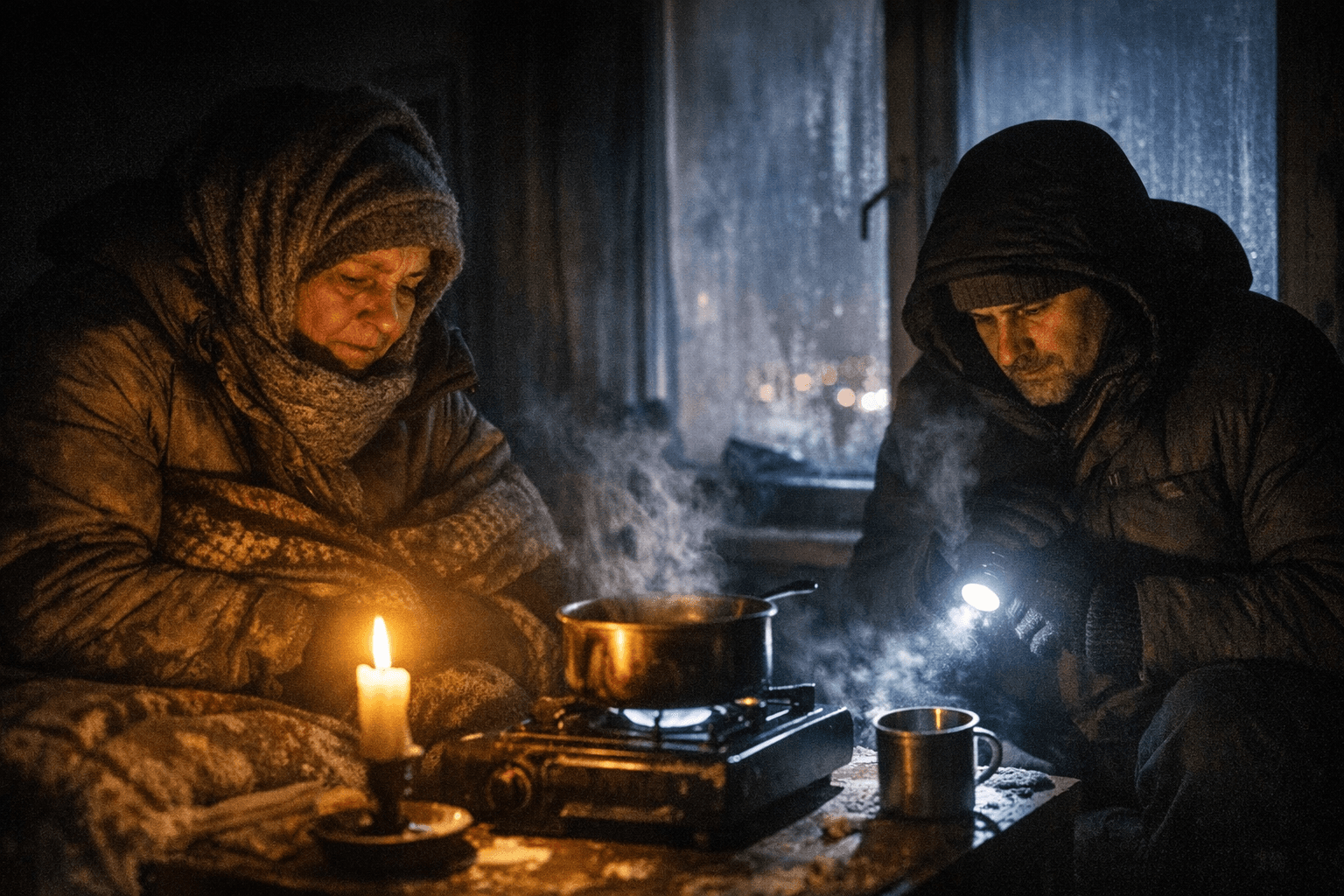
Since December, at least a dozen major blackouts and central heating cutoffs across Russia have left hundreds of thousands of people without electricity or heat for days, regional officials and humanitarian monitors say. The crisis has unfolded from the Arctic city of Murmansk to border districts near Ukraine and stretches to the Pacific coast, exposing deep maintenance shortfalls in a utilities system stretched by war and underinvestment.
When several energy facilities were hit on the night of Jan. 8-9 in the Belgorod region, local authorities said 550,000 people were left without electricity for more than a day. Almost as many were reported without heating, roughly 200,000 lost water and sewage service, and emergency crews drained water from heating systems in 455 apartment buildings to prevent pipe bursts. In the days that followed, residents complained of repeated interruptions as businesses operated under strict limits; the regional governor announced a partial evacuation on Feb. 8.
Humanitarian monitors documented parallel devastation in Ukraine. UN field teams reported near daily attacks in January that damaged key components of the energy system in at least 17 regions plus Kyiv. Danielle Bell, head of the UN monitoring unit, said: "The scale and persistence of these attacks underscore a grave disregard for the lives and well-being of civilians. When power, heating, and water are repeatedly knocked out in the dead of winter, basic survival becomes a daily struggle."
Russian officials and local activists offer two overlapping explanations for the domestic outages. Internally, many distribution networks and heating plants have suffered chronic underfunding for years and maintenance has worsened as funds and manpower are diverted to the war effort. At the same time, strikes on border facilities have produced acute failures in regions close to the fighting. In Belgorod, local reporting and officials attribute the Jan. 8-9 hits to cross-border strikes that overwhelmed already depleted reserves at substations and thermal plants.
On the ground, the consequences are stark. In Murmansk residents bundled into winter coats to sleep and walked dark streets under unlit lamps while emergency services set up heated tents for displaced people. Pipes in some blocks had already burst after systems were drained, compounding damage and raising public health risks. Humanitarian teams have opened warming centres, and hospitals and schools have been pressed into service as temporary shelters.
The disruptions also underscore wider shifts in European energy flows. International energy analysis shows liquefied natural gas from the United States supplied over 40 percent of a winter deficit for European markets, while industry gas use fell by almost 25 percent and milder weather and new renewables reduced demand further. Russia's share of EU gas deliveries, once nearly a quarter, fell to roughly 10 percent in 2023 after pipeline volumes dropped by 38 billion cubic meters.
For civilians on both sides of the conflict the winter has been unforgiving. Evacuations, drained heating systems, and repeated outages reveal both the immediate humanitarian toll and longer-term questions about infrastructure resilience, governance, and cross-border accountability under international law. With fighting and reciprocal strikes continuing in some sectors, monitors warn that the coming weeks will be decisive for repair timelines and for whether central authorities move to secure and rebuild the systems that millions of people rely on.
This article was produced by Prism’s automated news system from verified source data, official records, and press releases, then run through automated quality and moderation checks before publishing. The system is built and supervised by the people who set the standards it runs under. Read our full AI policy.
Did this article answer your question?