DR Congo Ebola outbreak spreads amid mistrust, conflict and aid cuts
Ebola containment in eastern Congo is being tested by guns, distrust and burned health centers as suspected cases climbed to 746 and the virus crossed into Sud-Kivu.

Ebola containment in eastern Congo is being tested by guns, distrust and burned health centers as suspected cases climbed to 746 and the virus crossed into Sud-Kivu. What began as a high-mortality illness in Mongbwalu Health Zone has become a broader crisis of access and authority, with violence, rumors and displacement now shaping the public health response as much as the virus itself.
The World Health Organization first received an alert on May 5 from Ituri Province, where laboratory testing later confirmed Bundibugyo virus disease on May 15. That same day, the Democratic Republic of the Congo declared its 17th Ebola outbreak. A day later, the WHO escalated the event to a Public Health Emergency of International Concern, saying the national risk in Congo was very high even though the global risk remained low.
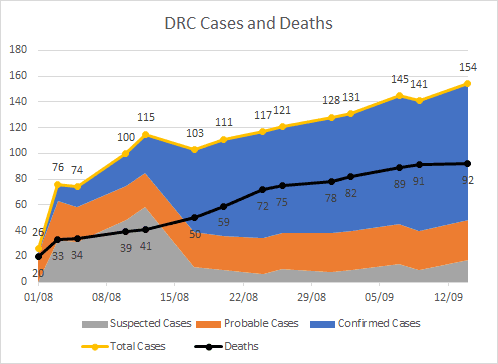
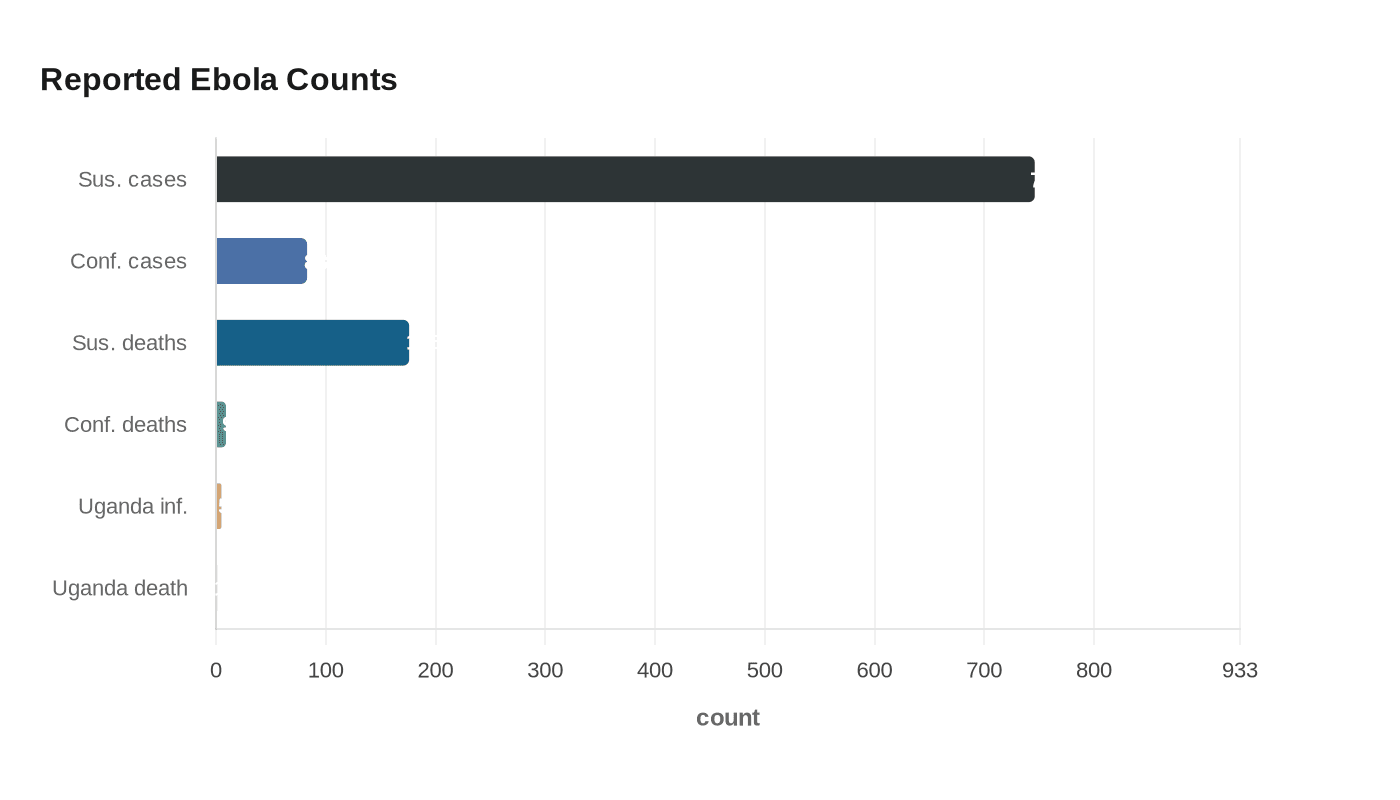
The scale has widened quickly. By May 23, the Centers for Disease Control and Prevention said Congo had 746 suspected cases, 83 confirmed cases, 176 suspected deaths and 9 confirmed deaths. Congolese officials later put the suspected total higher, at 867 cases and 204 deaths by May 24. A new confirmed case had also appeared in Sud-Kivu Province, after earlier infections in Ituri and Nord-Kivu. Uganda, which has linked imported cases, reported five confirmed infections and one death.
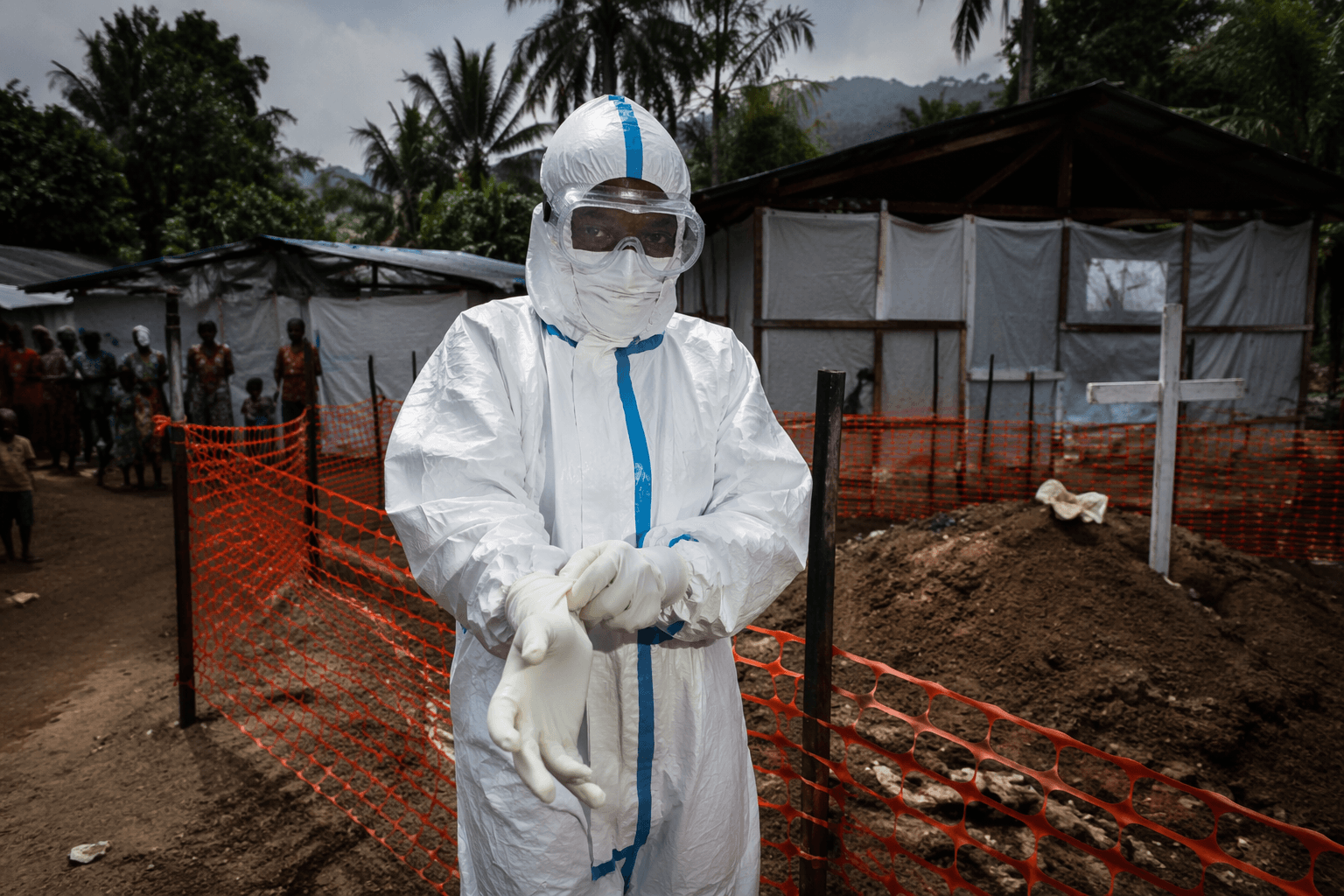
Health workers are confronting a response environment that is fraying at the seams. The United Nations has described the outbreak as unfolding amid intensified fighting, mass displacement, rumors and misinformation. In Ituri, at least one hospital was set on fire after a dispute over a deceased family member’s body, and reports said two of three Ebola treatment centers were burned by local residents. Burials have been carried out under armed escort, a sign of how far routine infection control measures have broken down.
The outbreak is especially dangerous because it involves Bundibugyo virus disease, a rare Ebola species for which the WHO says there is no licensed vaccine or specific therapeutic. The past two Bundibugyo outbreaks, in Uganda in 2007 and Congo in 2012, had fatality rates between 30% and 50%. Relief agencies say aid cuts have weakened local health systems just as the crisis deepens, while MONUSCO has been airlifting emergency supplies and WHO, UNICEF and the Red Cross are supporting contact tracing, treatment centers, community engagement and safe burials. On May 18, U.S. authorities also introduced enhanced travel screening and entry restrictions, underscoring how a local collapse in trust and security can quickly become a regional concern.
Know something we missed? Have a correction or additional information?
Submit a Tip

