Scientists target wild mice to cut Lyme disease transmission
Wild white-footed mice, not deer or ticks, became the target in Nantucket’s Lyme fight. The plan now hinges on lab proof, public consent and regulators.

Wild white-footed mice became the target in a Nantucket experiment that treated Lyme disease as a reservoir problem rather than a tick problem. The CDC says Lyme is the most common vector-borne disease in the United States, with most cases in the Northeast, mid-Atlantic and upper Midwest, and the island project says 15% of Nantucket residents are affected. That made the island a live test of whether engineering the animal that feeds infected ticks could interrupt transmission at its source.
The scientific case has moved beyond theory. A Nature Communications paper published in April 2026 reported that researchers engineered Mus musculus to produce a neutralizing anti-OspA antibody, blocking Borrelia infection in vivo and demonstrating heritable immunity as a viable way to break the tick-mouse transmission cycle. The broader Mice Against Ticks effort is built on the same logic: white-footed mice are a primary reservoir for Lyme, ticks become infected after feeding on them, and infected ticks then pass the bacteria to people.
That logic is also why the project has drawn scrutiny. The 2019 project paper said the team chose to use only white-footed mouse DNA if possible, avoided gene drive, and planned spring releases when natural mouse numbers are low; it also said community members had already raised ecological consequences the researchers had not anticipated. A BioScience review warned that the proposal had not yet been evaluated by independent professional ecologists and said the social, diplomatic and regulatory challenges could prove harder than the lab work.
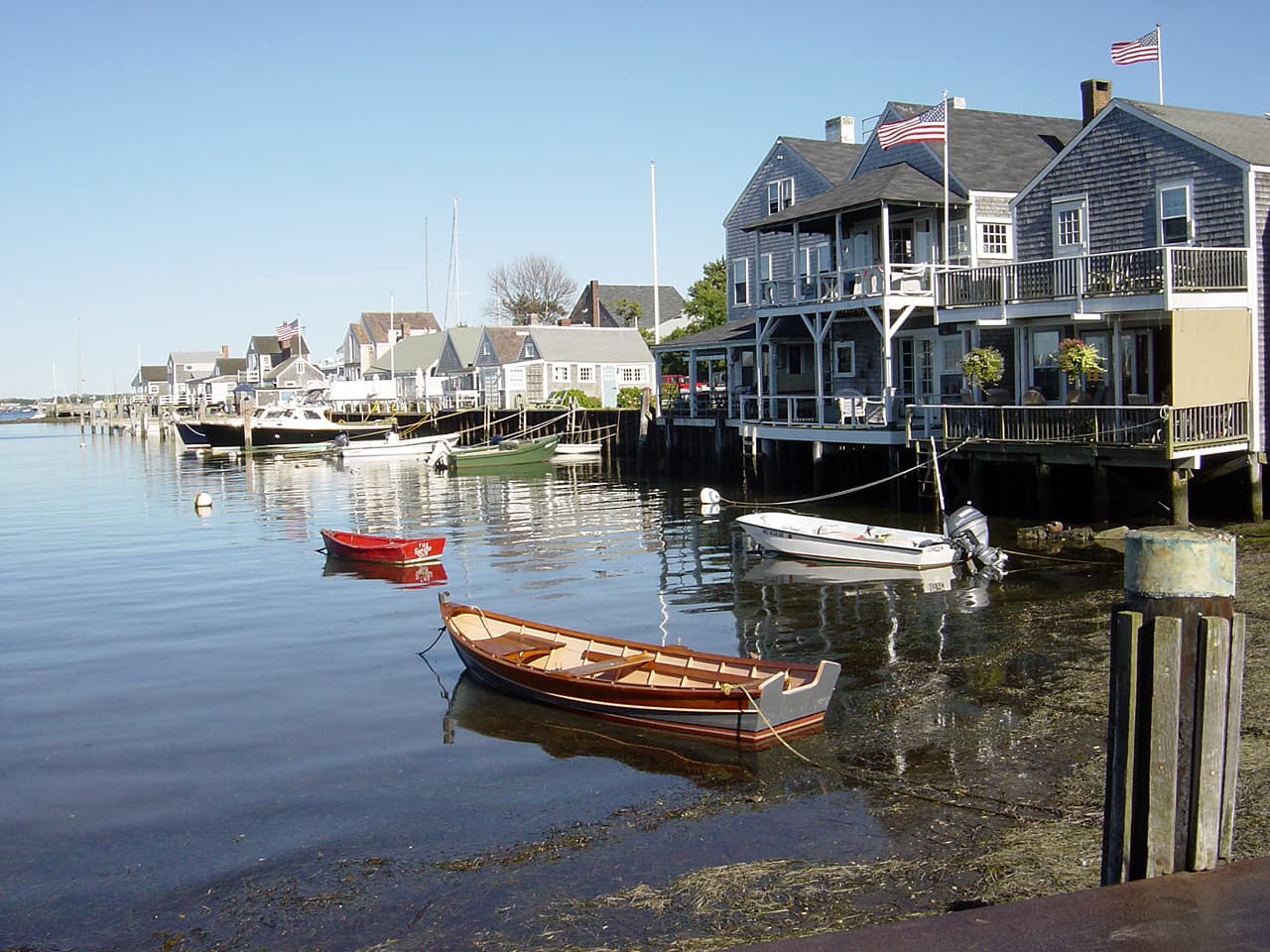
Community buy-in has become part of the design, not an afterthought. MIT said the researchers met Nantucket residents before beginning lab work and returned for more than 10 public meetings, while also framing the next step as a controlled field trial on a private island. The experiment now stands at the edge of a familiar political fault line: a public-health intervention that could protect entire communities, but only if science, regulators and the people who live with the wildlife all decide the risks are worth taking.
Know something we missed? Have a correction or additional information?
Submit a Tip

