DR Congo reports record one-day surge in Ebola cases
Congo logged 72 new Ebola cases in one day, lifting the toll to 782 confirmed infections and 181 deaths as responders race to contain a wider flare-up.
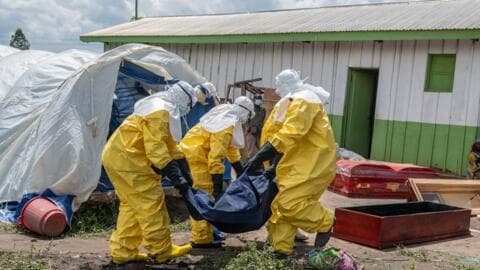
A single day brought 72 new confirmed Ebola cases in the Democratic Republic of Congo, a surge that sharpened the central question for responders: is the outbreak accelerating, or are health workers finally catching up with testing and case finding after weeks of backlog? The answer may be both. Even as the tally climbed to 782 confirmed cases and 181 confirmed deaths, officials warned that insecurity, displacement and weak surveillance were still obscuring the true scale of the outbreak.
The outbreak was first declared on May 15 as Congo’s 17th Ebola outbreak, after laboratory tests identified Bundibugyo virus disease in Ituri Province. That strain differs from the more common Zaire Ebola virus, and unlike Zaire, there is no licensed vaccine or specific treatment for Bundibugyo virus. Supportive care can save lives, but it depends on early detection, access to treatment and enough trust for patients to come forward quickly.
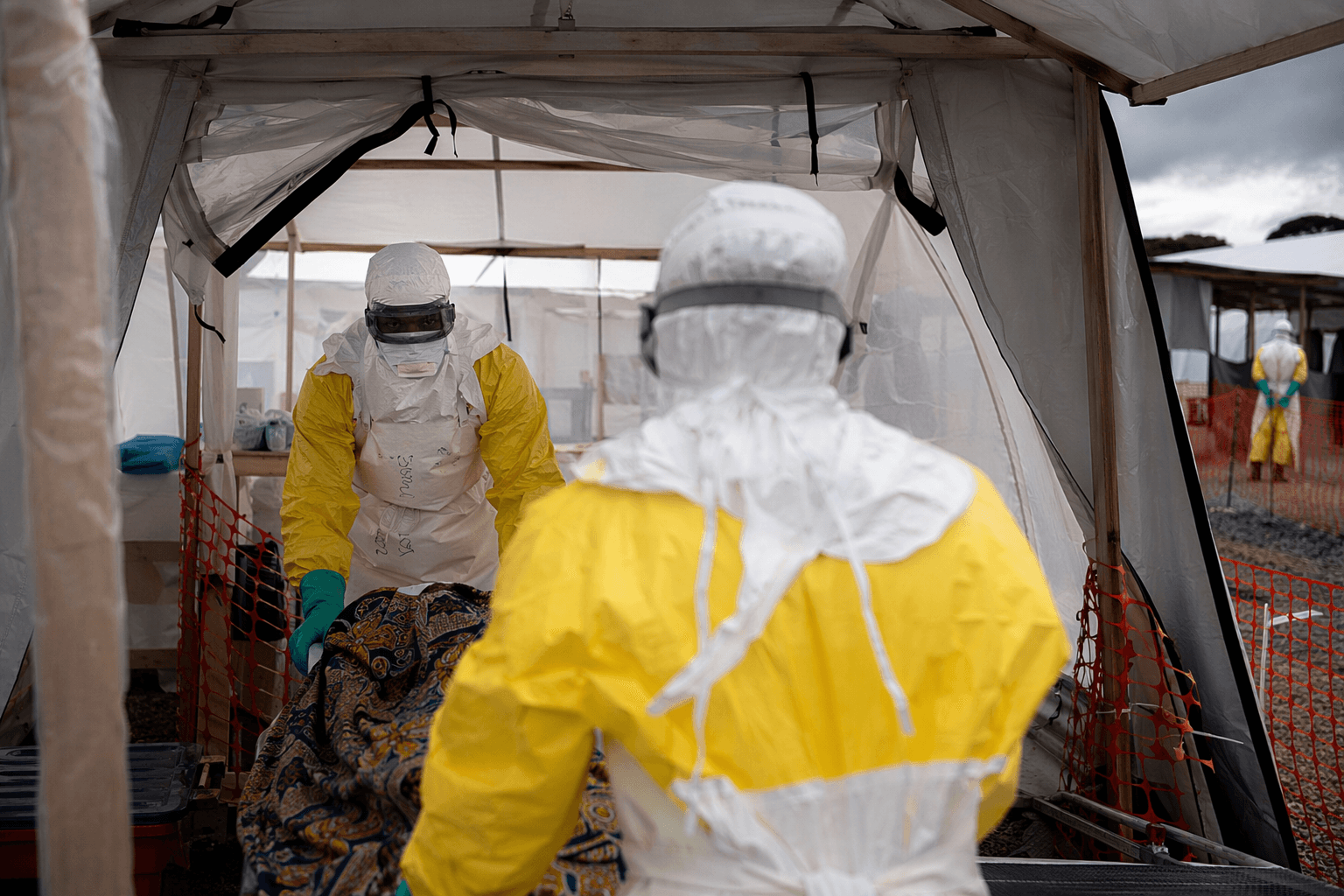
By June 15, Ituri remained the hardest-hit province, with 717 confirmed cases across 20 health zones. The disease had also spread into North Kivu and South Kivu, and across the border into Uganda. WHO said that by June 6 the outbreak had already extended across 25 health zones, including 16 confirmed infections among health and care workers. On June 6, the agency counted 515 confirmed cases and 91 deaths in Congo, plus 19 confirmed cases in Uganda, including two deaths.
The response has moved on several fronts at once. WHO, Africa CDC and partners launched a continental preparedness and response plan on June 5, seeking US$518 million to strengthen surveillance, treatment and border preparedness. Treatment centers have opened in Bunia, but contact tracing and case finding remain strained by insecurity, remote terrain, population movement and community resistance. WHO’s Dr. Olivier le Polain said on June 12 that every day cases were being identified in new health zones, and estimated the outbreak had spread over roughly 1,000 kilometers from Aru in Ituri to Miti Murhesa in South Kivu.
UNICEF warned that rising household transmission could drive more child infections, especially in communities where many children are malnourished and unvaccinated against other diseases. Tedros Adhanom Ghebreyesus said on June 3 that WHO was “catching up” but still faced major challenges in testing, surveillance, vaccine development and community trust. The latest jump suggests the outbreak is still outpacing the system meant to contain it.
This article was produced by Prism’s automated news system from verified source data, official records, and press releases, then run through automated quality and moderation checks before publishing. The system is built and supervised by the people who set the standards it runs under. Read our full AI policy.
Did this article answer your question?