Dr Neo Peici Outlines Core Parrot Care: Pellets, Steel Cages, Natural Perches
Dr Neo Peici published core parrot husbandry guidance stressing pellets as the diet base, stainless-steel cages, and natural wood perches to prevent common health issues.
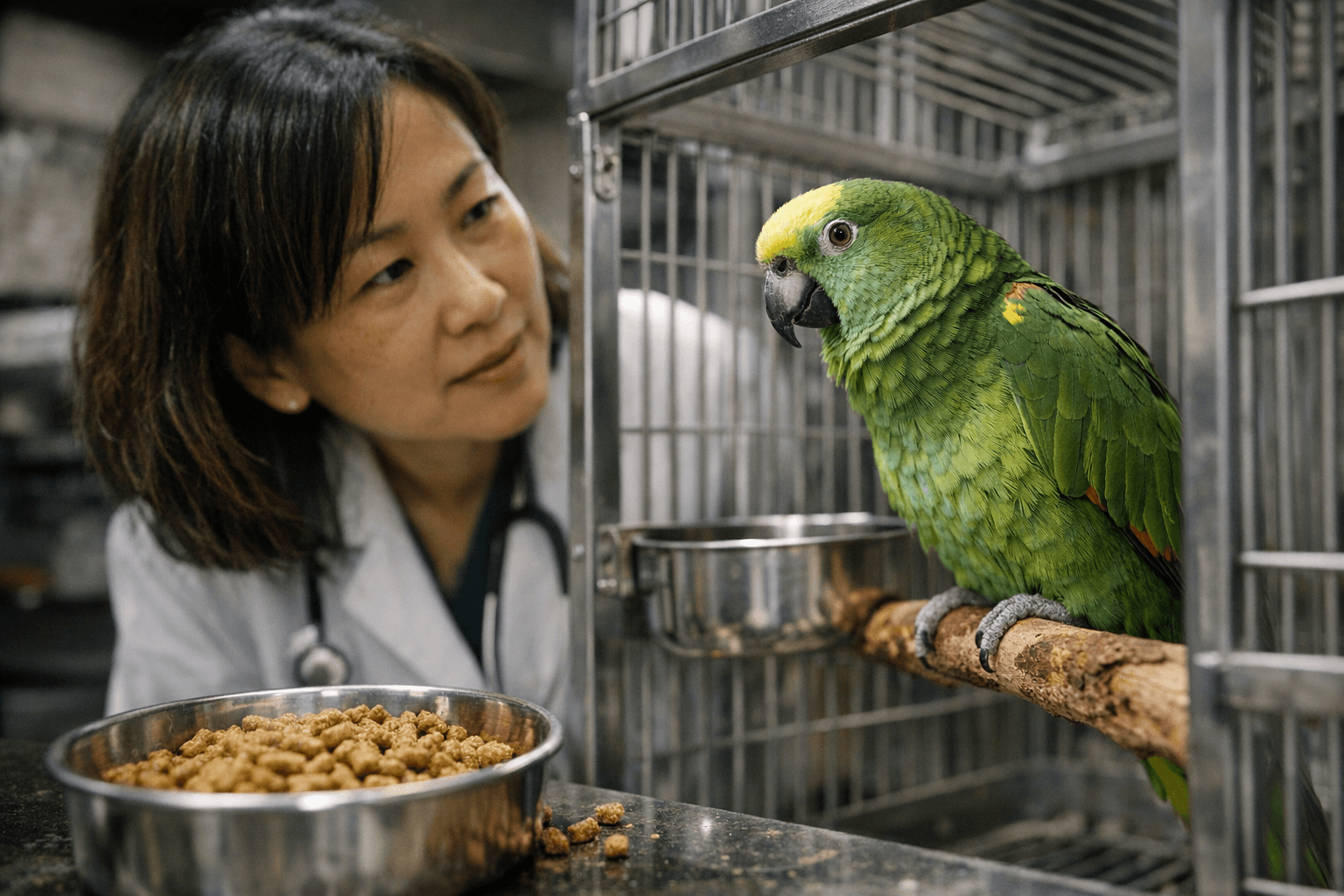
Dr Neo Peici of Sora Vet set out a concise framework for everyday parrot care that zeroes in on prevention and practicality. The guidance places a nutritionally balanced pellet diet at the center of feeding, paired with fresh produce and only limited seeds and nuts, while calling for sturdy stainless-steel cages, varied natural perches, safe bowls, and destructible enrichment made from bird-safe materials.
Nutrition topped the list. Dr Neo Peici recommended a balanced pellet formula as the base of a companion parrot’s diet, with fresh fruits and vegetables added daily and seeds or nuts kept to a limited role rather than a staple. This approach is aimed at reducing nutritional gaps that often underlie chronic problems in captive parrots.
Housing and access were the next priorities. Dr Neo Peici advised choosing a stainless-steel, spacious cage with mostly horizontal bars so parrots can climb and stretch. The recommendation favors stainless steel for durability and cleaning, and emphasizes room for flight practice and movement rather than cramped enclosures that restrict behavior.
Foot health and perching received detailed attention. Natural wood perches with varied diameters and textures help exercise different foot muscles and reduce pressure points. Dr Neo Peici stressed that uniform dowel perches can contribute to foot problems, and encouraged multiple perch types to support feet and posture.
Feeding implements and enrichment rounded out the guidance. Bowls should be stainless steel and not overly deep to keep food and water accessible and hygienic. Toys should be made from safe, destructible materials such as unbleached balsa, paper, and seed pods instead of plastics or metals that birds can ingest. The overall theme is safe, species-appropriate chew and foraging options that provide beak work without toxic or indigestible components.
Prevention is the through-line of the recommendations. Dr Neo Peici noted that many parrot illnesses stem from poor daily care, and that consistent application of diet, environment, and enrichment basics prevents common problems before they require intensive treatment. The column also urged verification of species-specific needs through experienced hobbyists and avian veterinarians.
In an AI-assisted column published Jan 25, 2026, Dr Neo Peici laid out these principles as a practical checklist for caregivers to audit their setups. Verify species-specific needs with experienced hobbyists and avian veterinarians, then prioritize a pellet-based diet, swap to stainless-steel bowls and cages if needed, and add natural, varied perches and safe destructible toys. Applying these core measures will lower the risk of preventable illness and improve daily welfare for companion parrots.
Know something we missed? Have a correction or additional information?
Submit a Tip