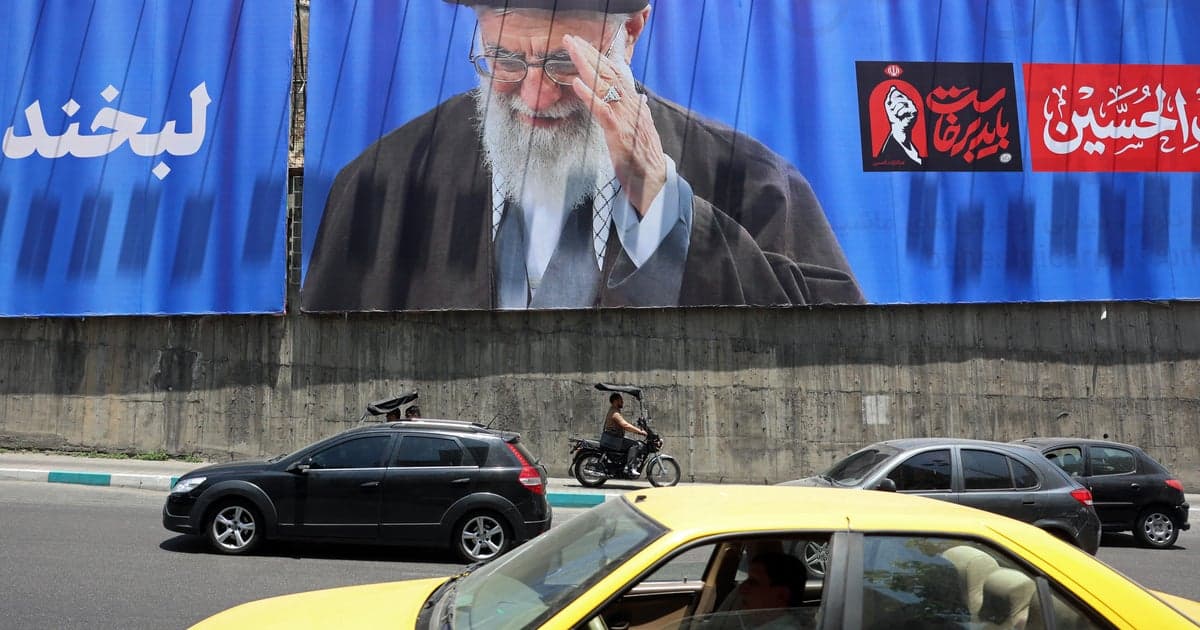
Drone and missile attacks hit Gulf as U.S.-Iran cease-fire strains
Drone and missile strikes in the UAE and Oman rattled the Strait of Hormuz, testing a cease-fire that began only a month ago.
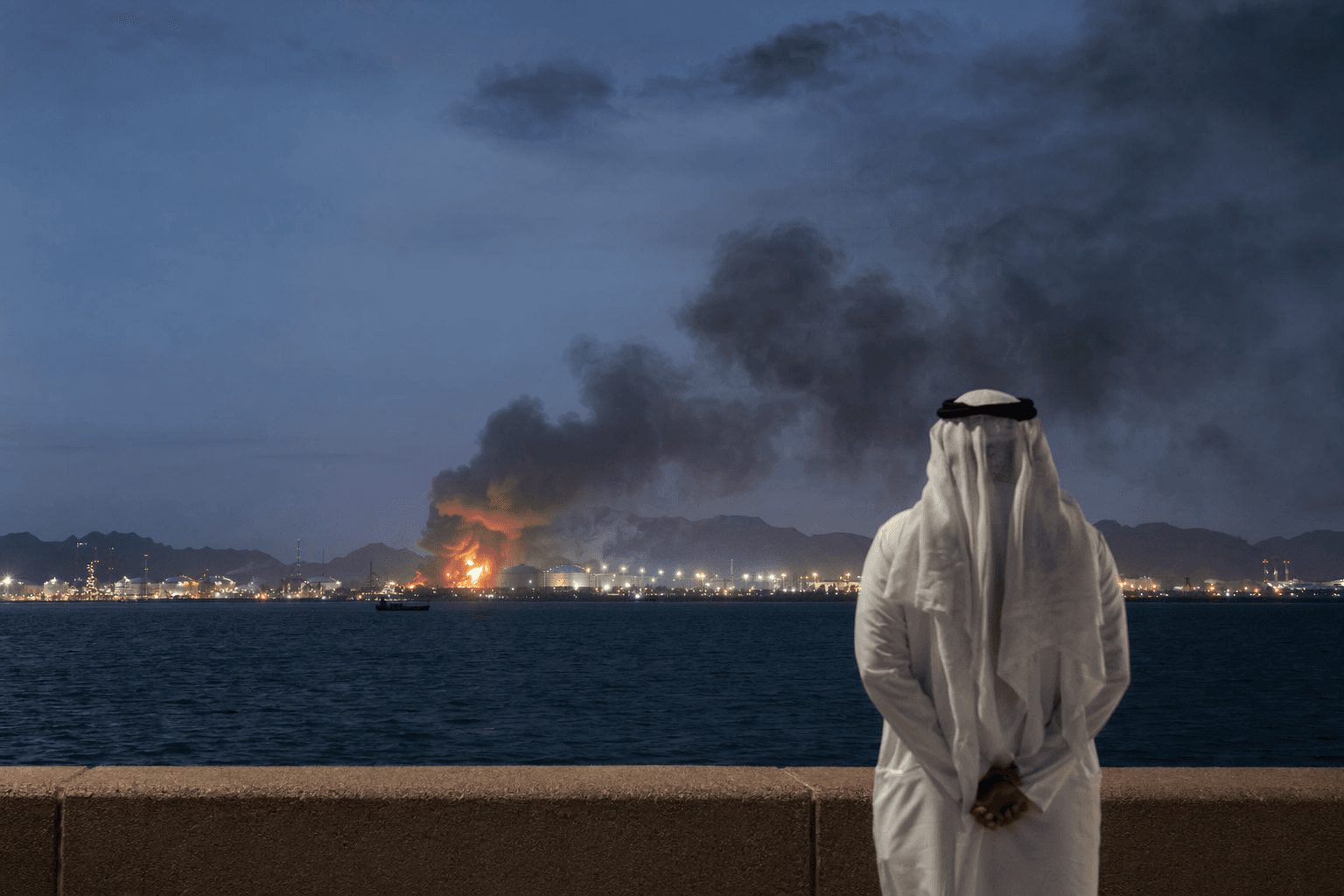
Missile and drone attacks struck the United Arab Emirates and Oman, and the violence quickly spread across one of the world’s most critical shipping lanes, raising fresh doubts about whether the U.S.-Iran cease-fire still has practical force. The Emirati authorities said Iran launched the attacks, which hit a major oil port and an oil industrial zone in Fujairah, where local officials said at least three Indian citizens were injured. Oman reported a separate strike in the coastal town of Bukha that injured two people, while South Korea’s government confirmed an explosion and fire on a ship belonging to a South Korean company in the same area.
The attacks were the first of their kind since the cease-fire began on April 8, 2026, and they came as tension also flared at sea. U.S. Central Command said several U.S. Navy vessels had moved through the Strait of Hormuz and accompanied commercial ships, while Iranian officials threatened retaliation against American warships or other vessels that tried to run what Tehran described as its blockade. Loud booms were reported in Dubai as air-defense missiles detonated overhead, underscoring how quickly a dispute over maritime access can spill into the skies above Gulf cities.
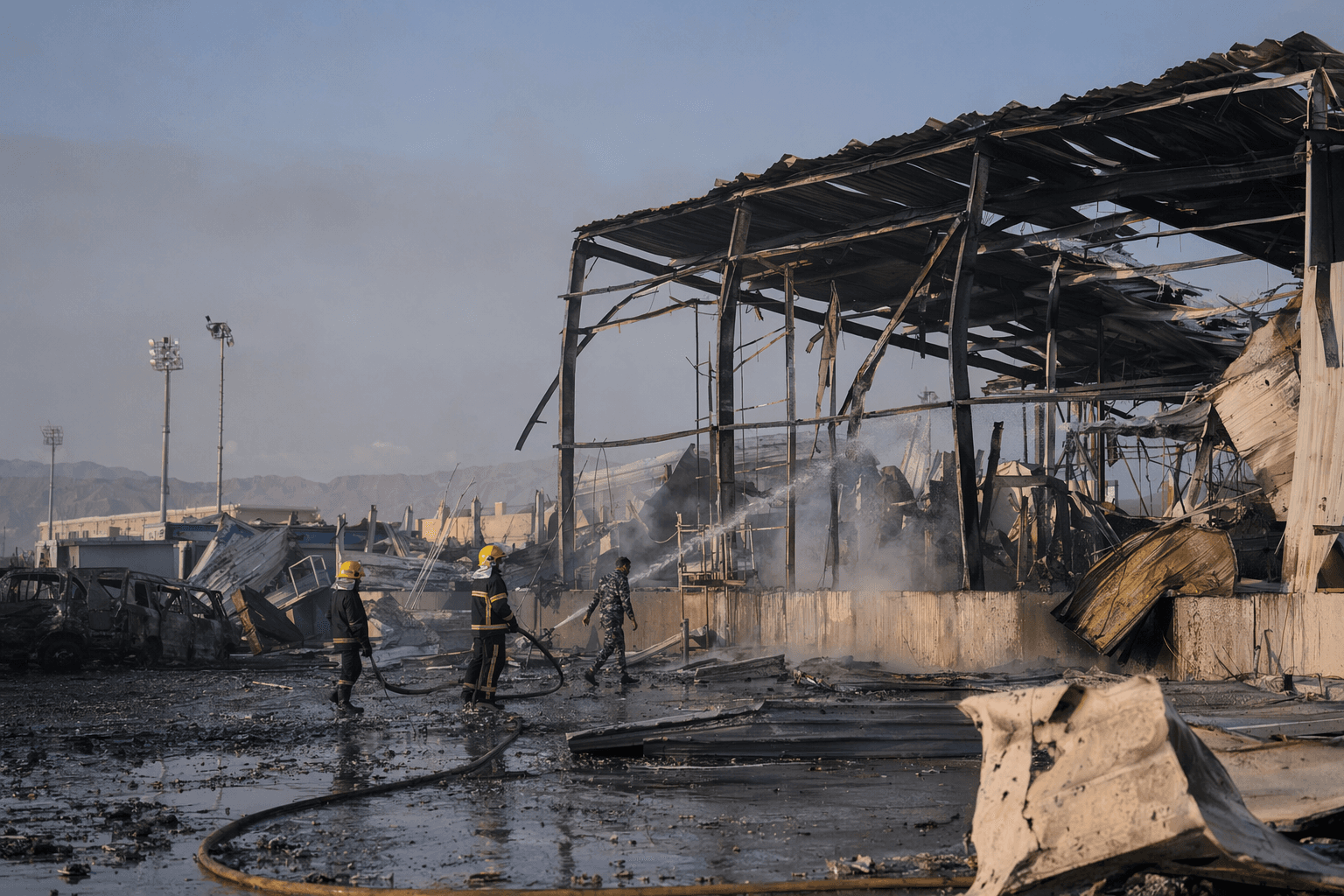
The Strait of Hormuz is a narrow chokepoint between Iran and Oman through which about one-fifth of the world’s oil and gas passes. Before the conflict, about 150 vessels crossed it each day, but traffic dropped sharply after hostilities began, leaving thousands of ships and tens of thousands of seafarers affected. United Nations maritime officials urged vessels to exercise maximum caution, saying they were still working to verify recent attacks and security warnings. The UN said at least 41 incidents affecting vessels in and around the Arabian Gulf, the Strait of Hormuz and the Gulf of Oman had been reported to UKMTO since late February.
The scale of the risk reaches far beyond the vessels directly hit. UN maritime officials said around 800 ships engaged in international trade, including tankers, bulk carriers and container ships, could be caught up in any evacuation or further disruption. Negotiations between Iran and the United States, mediated by Pakistani mediators, have stalled, and the Trump administration had sought to pressure Iran to end its blockade with a new military operation to help commercial ships trapped in the waterway leave. With oil prices already shaken and global energy markets on edge, the latest attacks have made the cease-fire look less like a settlement than a pause under strain.
This article was produced by Prism’s automated news system from verified source data, official records, and press releases, then run through automated quality and moderation checks before publishing. The system is built and supervised by the people who set the standards it runs under. Read our full AI policy.
Did this article answer your question?