Drone attacks drive surging demand for counter-drone defenses
Drone incursions at airports and oil fields are turning counter-drone gear into a fast-growing market, as regulators try to curb rogue flights without clogging airspace.
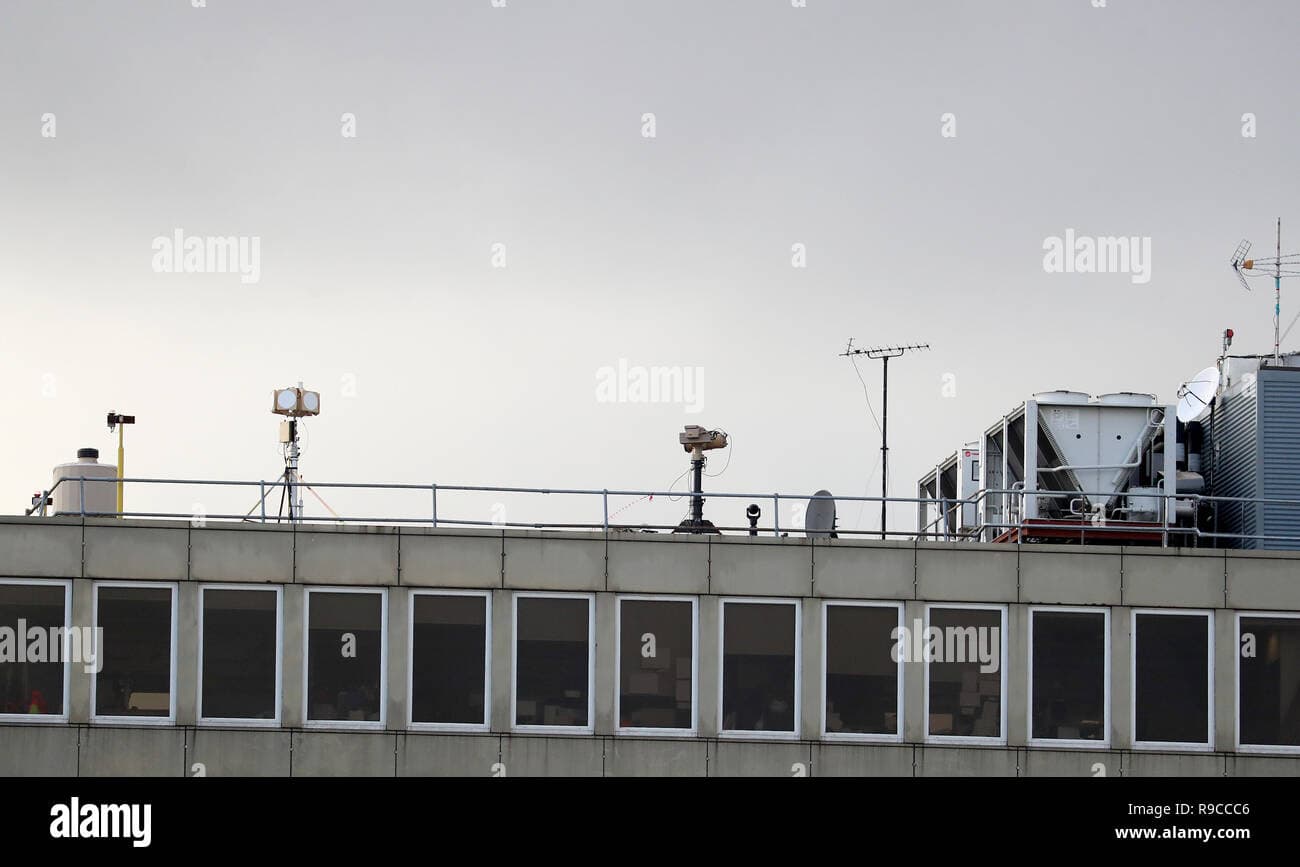
Airports, refineries and stadiums are becoming the front line of drone defense as incursions move from nuisance to infrastructure risk. The new market is being built around radars, jammers and defensive aircraft, with demand rising in Europe, the Middle East and the United States as operators try to stop rogue drones without disrupting legitimate air traffic or communications.
The business case sharpened after repeated airport disruptions, including London’s Gatwick Airport, where the December 2018 drone crisis was described in official reporting as the first airport incident of that scale. Public accounts said roughly 140,000 passengers and about 1,000 flights were affected between December 19 and 21, 2018, underscoring how quickly a single drone alert can cascade into a national transport problem.

What makes the current surge different is the broader target set. The latest wave of incidents has been tied to the wars in Ukraine and the Middle East, pushing counter-drone planning well beyond airports and into energy sites, ports, public gatherings and other critical infrastructure. The Cybersecurity and Infrastructure Security Agency said in November 2025 that unmanned aircraft activity near critical infrastructure was expected to rise significantly and issued three new guides to help operators detect, assess and mitigate the threat.
The technology race is moving along two tracks. On one end are low-collateral tools such as DedroneDefender, a handheld RF jammer designed for urban and civilian environments. On the other are military systems such as Boeing’s MQ-28 Ghost Bat, which has a modular missionized nose built for quick payload swaps and, in June 2026, was described as having extended combat capabilities. The market now spans energy, shipping, data centers, hotels and airports, with analysts putting its size in the low single-digit billions to roughly $7 billion and annual growth near 20%.
The legal and operational constraints are just as important as the hardware. The Federal Aviation Administration says it has levied civil penalties for unauthorized flights and still has open enforcement cases, while the Government Accountability Office says unauthorized drones near airports can create safety and security threats and cause delays. In Norway, Avinor, which runs 43 airports, said it set up a drone-monitoring center in 2023 and detected 1,450 unauthorized drone flights in its first year where it could measure both legal and illegal activity; its rules require permission to fly within five kilometers of an airport. That is the core policy tradeoff now facing governments: build systems strong enough to stop a drone, but precise enough not to jam the skies around it.
This article was produced by Prism’s automated news system from verified source data, official records, and press releases, then run through automated quality and moderation checks before publishing. The system is built and supervised by the people who set the standards it runs under. Read our full AI policy.
Did this article answer your question?