Drought watch expands to include Goochland and Middle James counties
Virginia DEQ placed Goochland under a drought watch as streamflow and groundwater fall; residents should expect conservation measures and local planning to kick in.
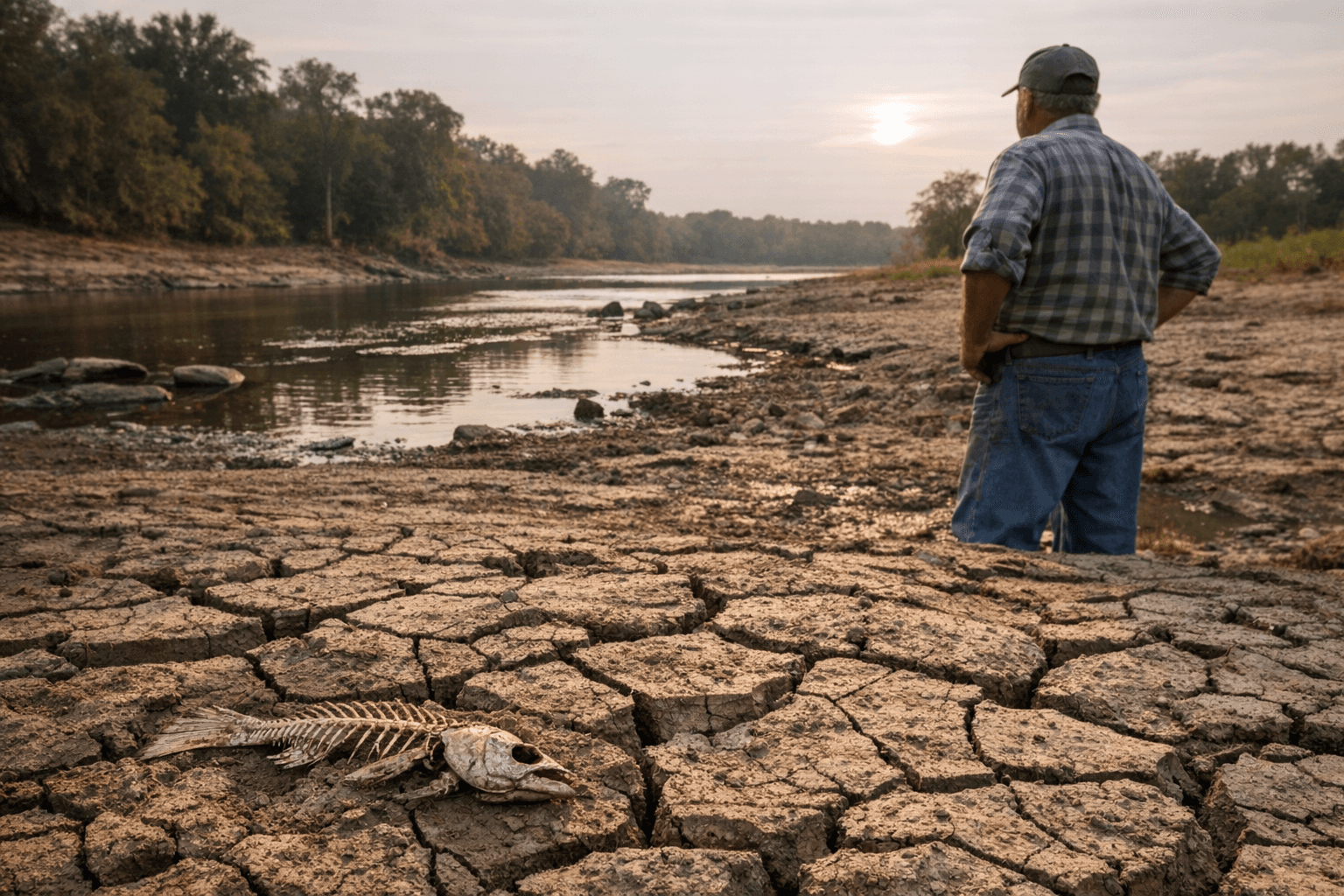
The Virginia Department of Environmental Quality placed Goochland County under a drought watch on Jan. 13, part of a statewide advisory that now covers 61 counties and 18 cities. The action reflects continued precipitation deficits that have driven streamflow, groundwater and soil moisture to much-below normal levels across much of the Commonwealth, with the Piedmont and Blue Ridge regions hit hardest.
The DEQ, working with the Virginia Drought Monitoring Task Force, also issued a more severe drought warning advisory for 22 counties and 13 cities. Only 12 counties and seven cities remain outside any drought watch or warning, underscoring the geographic breadth of the dry conditions. In the Middle James region, the watch and warning coverage spans Henrico, Albemarle, Amelia, Amherst, Appomattox, Buckingham, Chesterfield, Cumberland, Fluvanna, Goochland, Hanover, Nelson, Powhatan and Prince Edward counties, and the cities of Charlottesville, Colonial Heights, Hopewell, Lynchburg, Petersburg and Richmond.
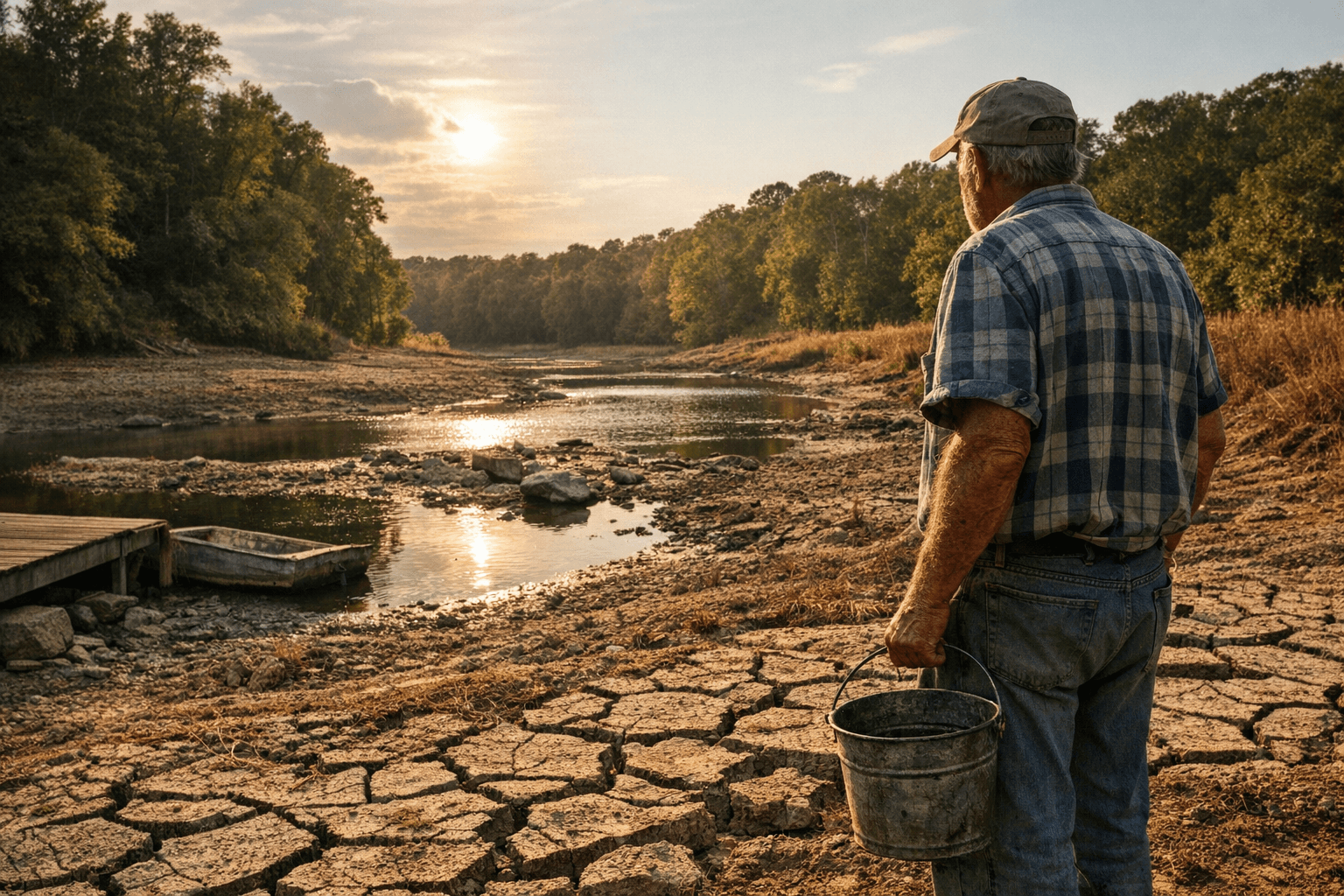
For Goochland residents, the advisory means heightened scrutiny of water supplies and closer coordination between county officials and water providers. The DEQ said it is working with local governments, public water works and water users in affected areas to ensure conservation and drought response plans and ordinances are followed. That coordination is intended to preserve municipal supplies, protect stream-dependent ecosystems and reduce stress on private wells that serve many rural households.
Policy implications for local leaders include the need to activate or refine existing drought response ordinances, communicate trigger points for mandatory restrictions and verify that public water systems have contingency plans for reduced supply. Institutional responsibilities fall to county staff, water authorities and the DEQ to monitor hydrologic conditions, implement conservation measures and provide transparent, timely guidance to residents and businesses.
The economic and civic effects depend on how long dry conditions persist. Homeowners with private wells, farmers who rely on surface and shallow groundwater, and businesses that use high volumes of water are most likely to feel early impacts. The advisory also raises questions about long-term planning for climate variability, including investments in water efficiency, storage and demand management at the local level.
For now, residents should follow county announcements, adhere to any conservation requests or ordinances enacted by local authorities, and prepare for possible escalation to stricter restrictions if precipitation does not improve. The DEQ and local governments will continue monitoring conditions and adjusting responses; the next steps will shape how Goochland and neighboring communities manage water through what could be an extended period of below-normal moisture.
Sources:
Know something we missed? Have a correction or additional information?
Submit a Tip