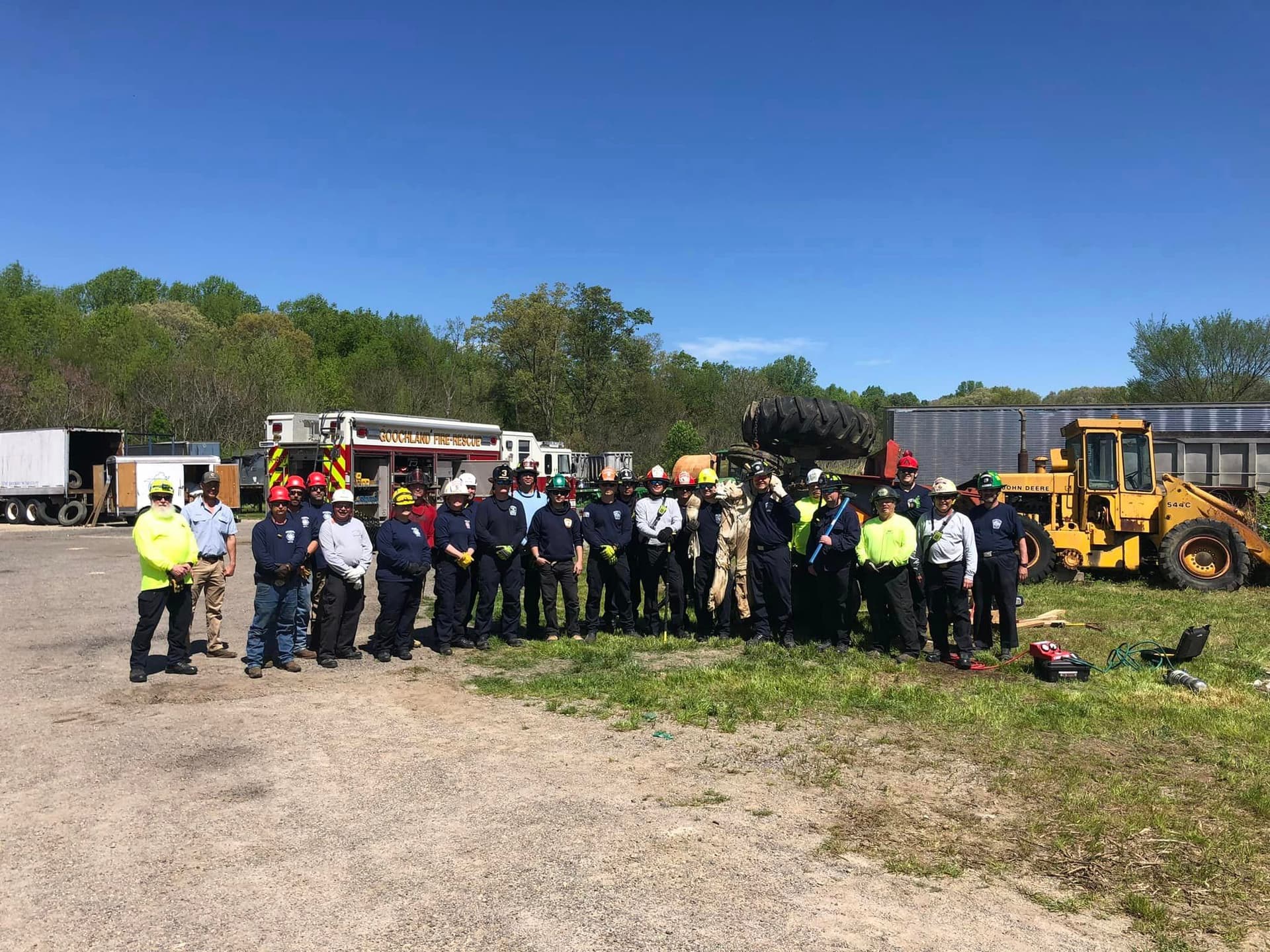
Hanover rezoning denial sharpens Goochland data center debate
Hanover County rejected rezoning for a 10‑building data center campus, spotlighting regional debate and implications for Goochland's technology overlay. The decision matters for future local proposals.
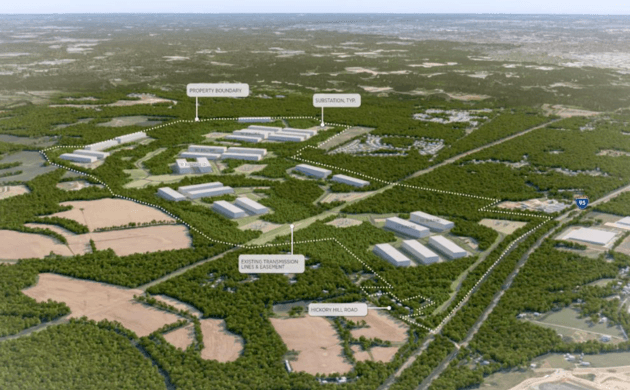
The Hanover County Planning Commission voted on Jan. 16, 2026, against recommending rezoning that would have permitted a 10‑building data center campus at the Hunting Hawk Golf Club site. The proposal drew a contested public debate that juxtaposed developer promises of economic activity against strong community opposition and concerns about environmental impacts and infrastructure strain.
That decision in a neighboring county arrives as Central Virginia continues to grapple with the expansion of data center development, and it casts new light on policy choices recently made in Goochland County. In November, Goochland supervisors adopted a technology overlay district intended to shape how and where future data centers could be sited. The overlay imposes generator and operating-time limits, restricts construction hours, sets building height limits and requires sound abatement measures for new projects.
Goochland currently has no active data center projects, but the overlay establishes the county's default regulatory framework should proposals emerge. The provisions reflect local priorities: limiting noise and visual impact, managing off-hour operations and constraining on-site power generation. Those parameters are now part of the playbook developers must follow if they want to build in the county, and they give residents and officials concrete standards to evaluate proposals against.
Institutionally, the Hanover vote underscores the central role of planning commissions and rezoning processes in mediating development conflicts. Rezoning requests for large-scale industrial or technology uses typically trigger reviews of land use compatibility, traffic and utility capacity, stormwater management and community character. Where neighboring counties move in different directions on zoning flexibility, developers may shift proposals to jurisdictions with more permissive rules; overlay districts like Goochland's are a proactive tool to retain local control over that choice architecture.
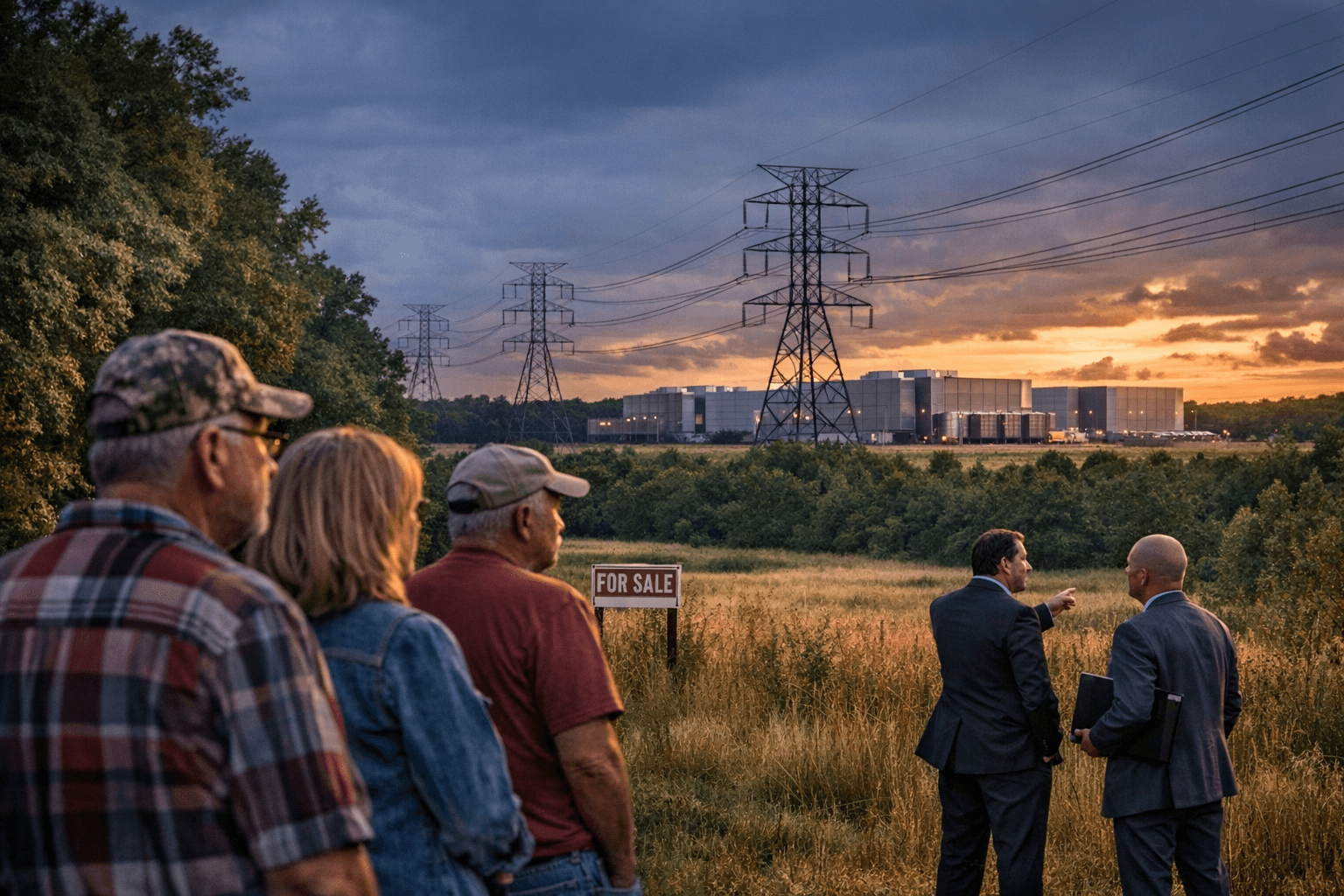
For Goochland residents, the practical implications are clear. The overlay does not preclude future proposals, but it raises the bar for technical mitigation and operational limits. Any company proposing a campus will need to demonstrate compliance with sound abatement and generator restrictions and to address concerns around power draw, truck traffic and site construction timing. Local officials will be asked to weigh potential tax revenues and job claims against longer-term costs to roads, utilities and rural character.
Going forward, Goochland supervisors and planning staff should monitor developments in surrounding counties and be prepared to enforce the overlay's standards through permitting and conditional-use processes. Neighbors and civic groups will likely remain key participants in hearings where the overlay's limits are tested. The Hanover decision signals that regional debates over data centers are not abstract policy questions but immediate, local land-use fights that will shape community infrastructure and quality of life in the years ahead.
Sources:
Know something we missed? Have a correction or additional information?
Submit a Tip