Dry England braces for only limited weekend rain
Limited rain is set to return to England, but forecasters say it will not be enough to undo drought risk in areas already close to the edge.
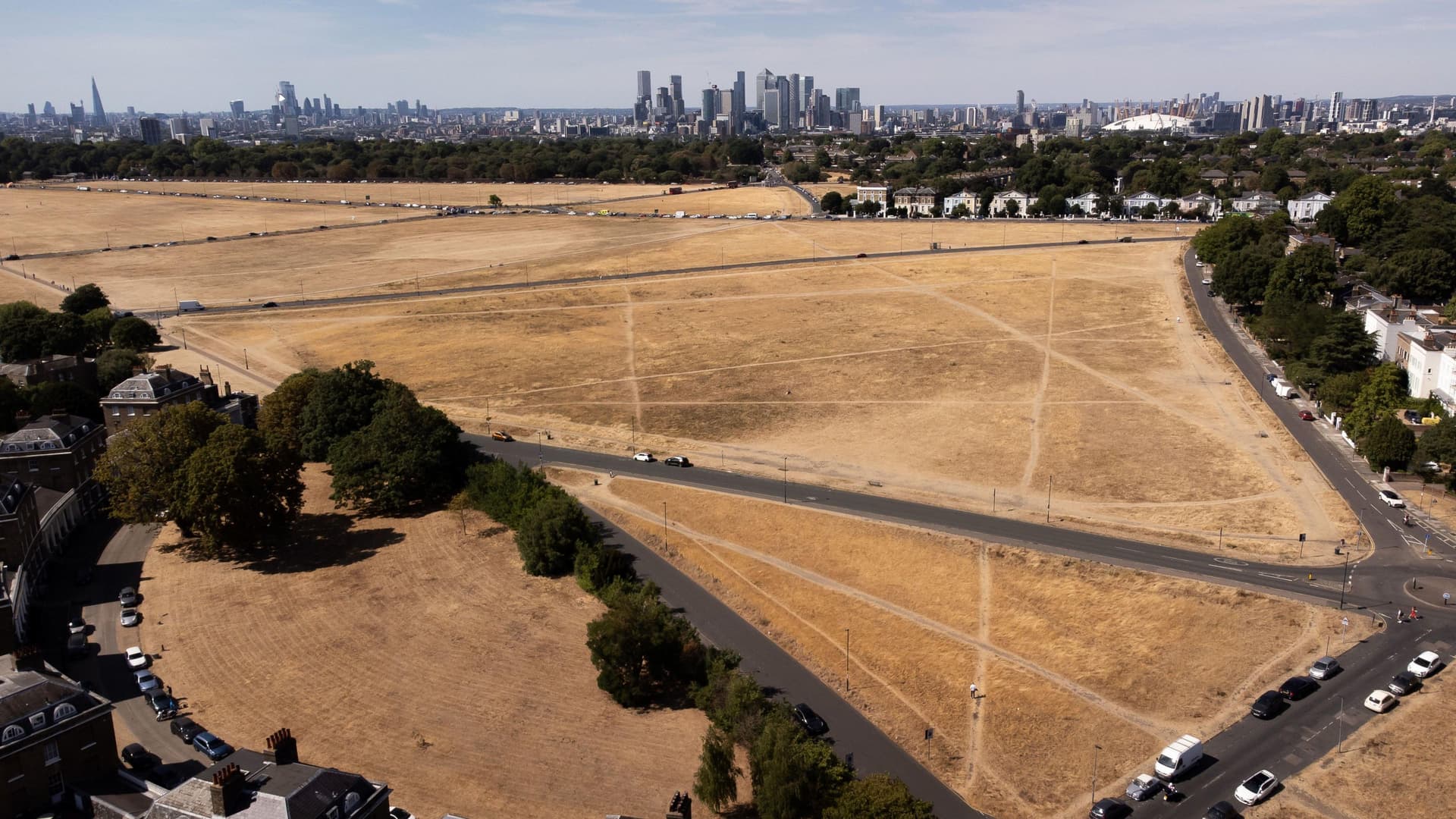
Weekend rain is returning to England, but forecasters say the amounts will be small and unlikely to ease pressure in areas already edging toward drought. BBC Weather said parts of southern, central and eastern England were close to drought, while the National Drought Group stepped up its response after the third heatwave.
The dry spell has been unusually deep in places. BBC Weather said some parts of the UK had less than 1mm of rainfall in one of the driest Aprils on record, and that dry, cracked earth was already visible in Cambridgeshire. It also said some central areas had their longest dry spell since 1997, while large swathes of England recorded 0% of the rainfall they would normally expect in July.
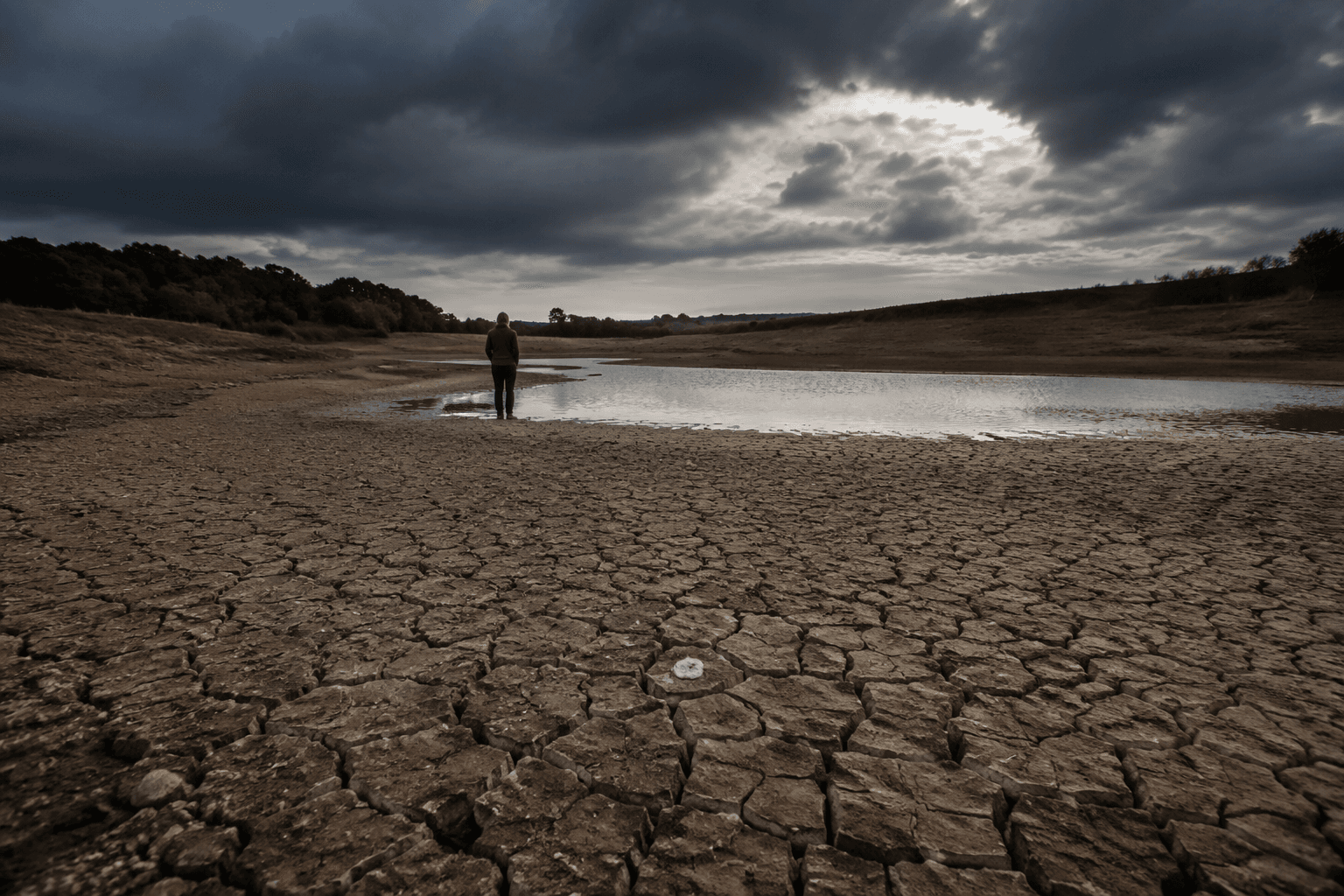
Official reporting from GOV.UK showed the dry weather was not a short-lived spell. England’s weekly dry-weather report covered 10 July to 16 July 2026, and earlier summary reports tracked conditions from 18 to 26 June 2026 and from 27 February to 26 March 2026. Taken together, they point to a spring and summer that stayed parched long after the first signs of stress appeared.
The practical strain is already clear. Water supplies may still be at normal levels in some areas, but sustained dry weather quickly raises pressure on reservoirs, rivers and groundwater. That is why drought discussions matter even before taps slow or hosepipe bans arrive: once storage drops, farmers face tougher irrigation decisions, councils begin preparing restrictions, and households are pushed to plan around water use rather than assume supply will keep pace.
BBC Weather later said the East and West Midlands had officially entered drought, joining the North West and Yorkshire. That shift moves the problem from warning signs to formal drought status in more parts of England, at a time when the weekend rain is expected to bring relief in appearance more than in volume. The return of showers may dampen the dust, but it is not the kind of rain that resets reservoirs or reverses weeks of heat-driven losses.
This article was produced by Prism’s automated news system from verified source data, official records, and press releases, then run through automated quality and moderation checks before publishing. The system is built and supervised by the people who set the standards it runs under. Read our full AI policy.
Did this article answer your question?