DSA wins New York primaries, eyes bigger national influence
DSA-backed candidates won three New York City House primaries and a wave of state races, turning Zohran Mamdani’s surge into a test of governing power.

Democratic Socialists of America-backed candidates swept three New York City House primaries and a string of state legislative contests, giving the movement its clearest sign yet that Zohran Mamdani’s mayoral upset has become an electoral machine. The June 23 results pushed the group beyond protest politics and into the harder work of translating organizing energy into seats, discipline and leverage.
In New York City, Claire Valdez won the 7th District, Brad Lander carried the 10th District and Darializa Avila Chevalier prevailed in the 13th District. POLITICO said the left-wing gains also included a democratic socialist toppling Rep. Adriano Espaillat, the Congressional Hispanic Caucus chair. NY1 said DSA-backed candidates won seven of eight successful city-seat races, while the group’s statehouse presence is expected to rise into double digits.
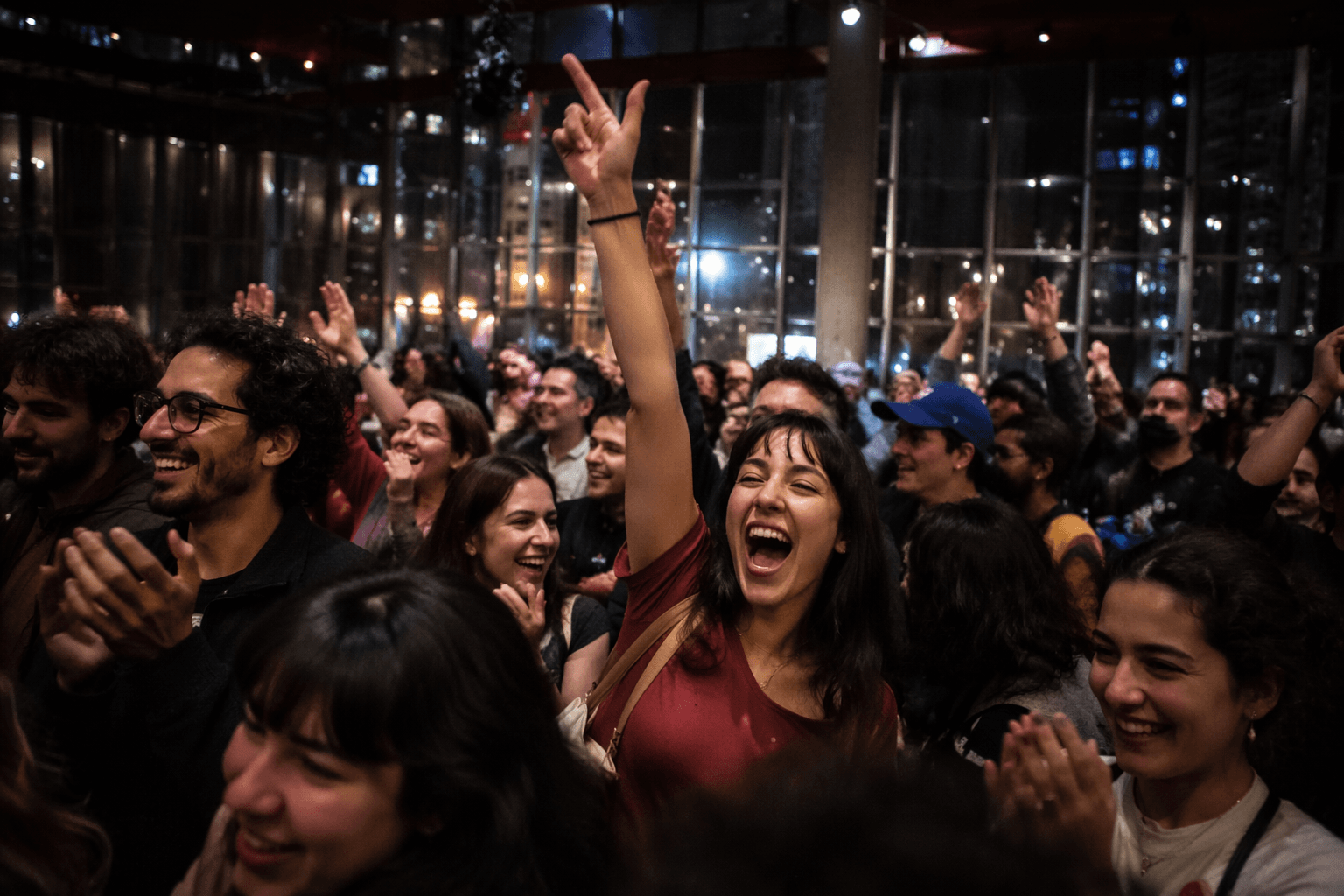
The numbers matter in Albany as much as they do in New York City. Five incumbent state lawmakers were defeated in the primaries, a result that could swell the DSA’s foothold in the New York State Assembly and New York State Senate at a moment when Democrats already control more than 100 of the 150 Assembly seats. That stronger left flank could complicate Gov. Kathy Hochul’s bargaining position on the state budget and other policy fights. Hochul made clear she sees the new winners as part of the governing coalition, saying, “These are now my partners in government.”
The broader pressure is reaching Washington, where the results have sharpened scrutiny on Senate Minority Leader Chuck Schumer and House Minority Leader Hakeem Jeffries, both Brooklyn Democrats. The victories also raise the prospect of a more ideologically assertive New York congressional delegation, with the party’s left wing gaining a louder voice in races that once belonged comfortably to the Democratic establishment.
For DSA leaders, the challenge now is whether a movement built on protest can enforce internal discipline and coalition-building without blunting its message. The organization said it targeted districts where Mamdani had already run well, pairing endorsements with direct voter outreach that included late-night canvassing in bars and clubs. Co-chair Gustavo Gordillo framed the strategy bluntly: “Our goal is to win major races that show the Democratic Party establishment that our agenda is what working class New Yorkers demand.” National leaders are already looking to 2028, with chapter surveys, chapter dossiers due by Sept. 15 and a formal vote expected at the 2027 convention to help determine which democratic socialist reaches the presidential primary debate stage.
This article was produced by Prism’s automated news system from verified source data, official records, and press releases, then run through automated quality and moderation checks before publishing. The system is built and supervised by the people who set the standards it runs under. Read our full AI policy.
Know something we missed? Have a correction or additional information?
Submit a Tip