Duckworth, Baldwin urge FAA study on reduced flight attendant staffing
What happens if one flight attendant must direct hundreds of passengers in an evacuation? Duckworth and Baldwin want the FAA to test whether thinner crews can still do the job.
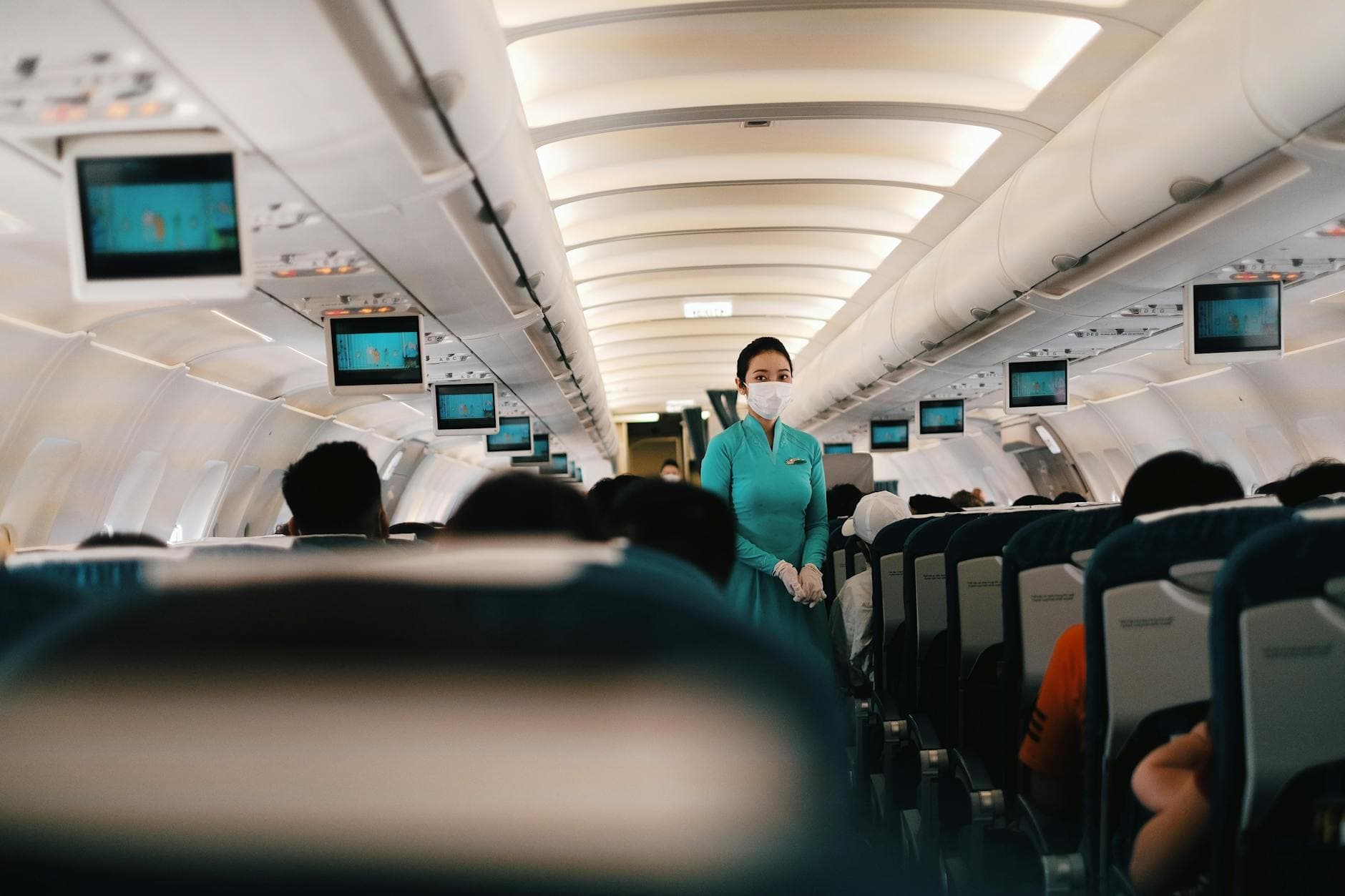
What happens in an evacuation if one flight attendant is responsible for hundreds of passengers across two aisles and middle-seat sections? That is the safety question driving a new push from Sens. Tammy Duckworth of Illinois and Tammy Baldwin of Wisconsin, who want the Federal Aviation Administration to study whether reduced cabin staffing on some long-haul flights leaves passengers more exposed in an emergency.
The senators are asking the FAA to examine aircraft where the number of emergency exit doors can outstrip the number of flight attendants available in a crisis. Their concern is not abstract. They say a serious incident could force one crew member to handle a full cabin alone, and that the risk rises further if another flight attendant becomes incapacitated during the emergency.
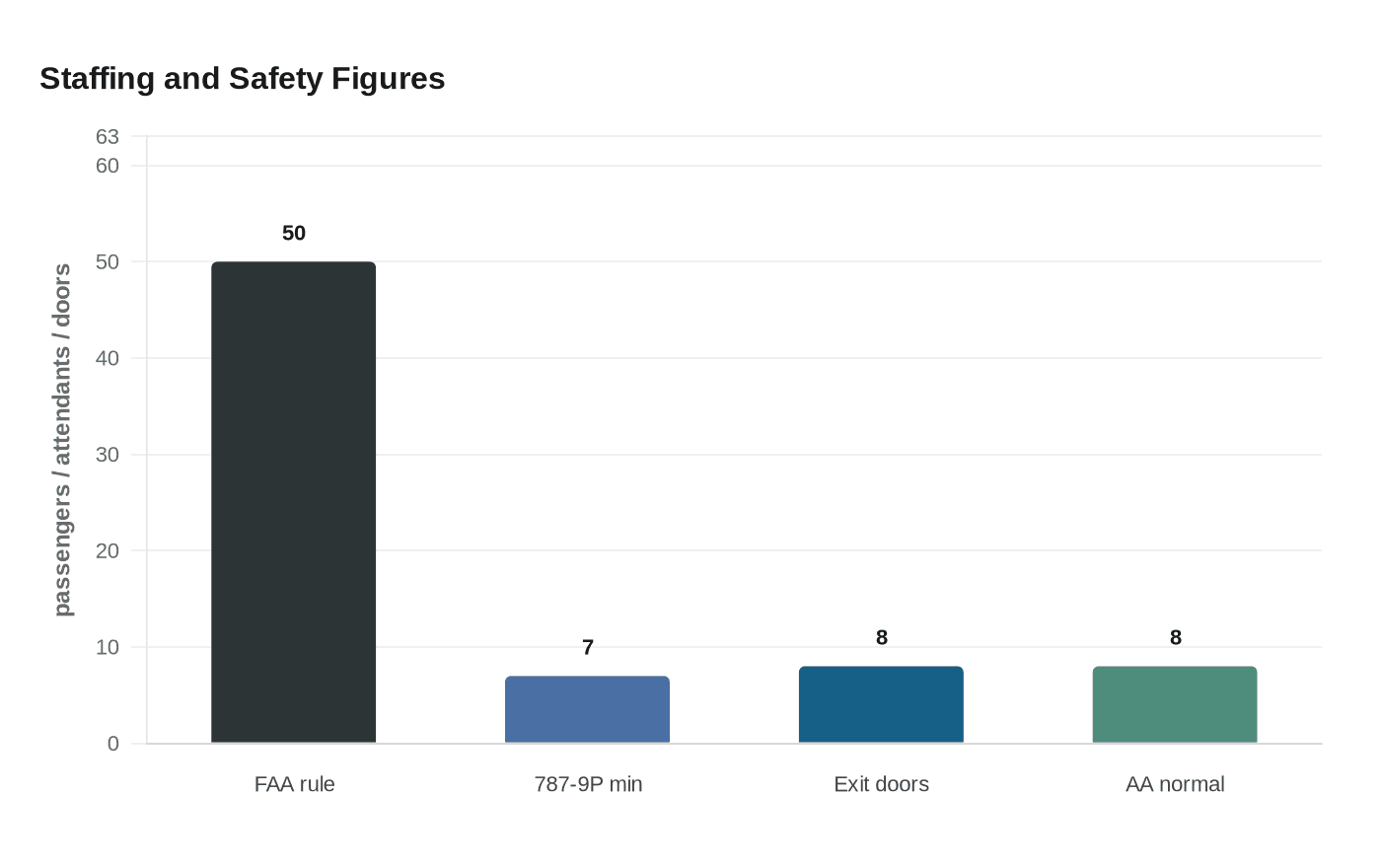
The request lands as the FAA has already approved lower minimum staffing levels for some aircraft flown by American Airlines, Delta Air Lines and United Airlines under a rule that calls for one flight attendant for every 50 passengers. Duckworth and Baldwin argue that those approvals may fit the letter of the regulation while undercutting a long-standing industry norm: that dual-aisle aircraft should have as many flight attendants as floor-level emergency exits.
American Airlines’ new Boeing 787-9P has become a focal point in the debate. The FAA certified the jet last year with a minimum of seven flight attendants, even though the aircraft has eight exit doors. American says it normally staffs those flights with eight to 10 flight attendants, depending on route length, and says the lower minimum gives the airline flexibility if a crew member becomes unavailable.
The senators are also pressing FAA Administrator Bryan Bedford for answers on evacuation testing they say is nearly two years overdue. FAA officials have said they observed American Airlines complete evacuation safety demonstrations with seven flight attendants on June 25 and that the 787-9P’s lower seating capacity compared with other 787 variants supported the reduced minimum staffing level.
Labor groups have added their weight to the fight. The Association of Professional Flight Attendants met with lawmakers in December about staffing concerns, and the Association of Flight Attendants-CWA, which represents about 55,000 flight attendants, has backed the senators’ inquiry. Together, the push reflects a broader challenge for aviation regulators: whether staffing rules are being driven by evacuation evidence or by pressure to trim labor costs while aircraft get larger and cabin crews stay the same.
Know something we missed? Have a correction or additional information?
Submit a Tip