Duffy Says AI Will Aid, Not Replace, Air Traffic Controllers
Sean Duffy drew a hard line against AI running U.S. airspace, while the FAA pressed ahead with software, wiring and tower upgrades to ease delays and staffing strain.
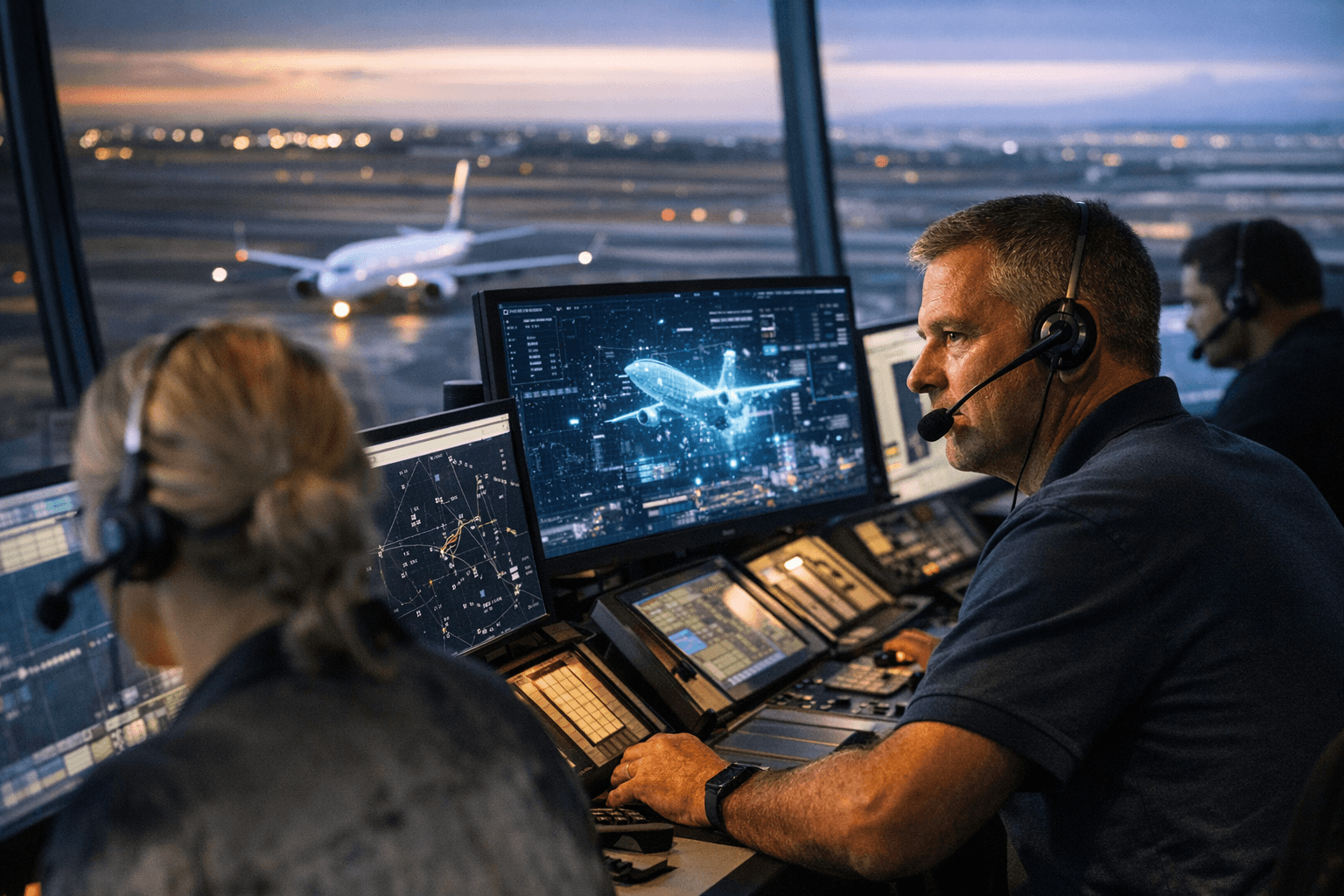
Sean Duffy drew a blunt boundary around artificial intelligence in aviation: controllers will stay in charge, and software will only support them. “Am I gonna replace a controller and have AI manage the airspace? The answer to that is hell no, that’s not gonna happen,” the transportation secretary said, adding that the goal was to give human controllers “additional tools” to reduce mistakes and keep traffic moving.
The Department of Transportation was already pursuing a wider modernization campaign that reaches far beyond one AI program. Officials said the effort had replaced almost 50% of copper wires, upgraded about 270 radio sites, installed new surface awareness systems at 54 airports to help controllers track aircraft on the ground, and moved 17 towers to electronic flight strips instead of paper slips used to track flights. The department said the AI software it wants still needs congressional funding and could cost between $6 billion and $10 billion.
The push comes as the system faces renewed pressure after a series of safety scares, including a deadly collision at LaGuardia Airport in New York City last month. That backdrop has sharpened the distinction between automation that can sort data faster and automation that would be too risky to hand over entirely. Duffy said the core job remains human: “We have human beings navigating, managing the airspace, and as human beings, we can make mistakes. That’s why I want to give additional tools to support the air traffic controllers.”
The staffing problem at the Federal Aviation Administration makes that argument harder to ignore. The Government Accountability Office said the FAA employed 13,164 controllers at the end of fiscal year 2025, about 6% fewer than in 2015, even as total flights using the system rose about 10% from fiscal 2015 to fiscal 2024, reaching 30.8 million. The FAA’s 2025-2028 workforce plan said the agency hired 1,811 new controllers in fiscal 2024 and more than 5,700 over the prior five years, bringing the workforce to 14,264 that year.
The agency has also turned to unconventional recruiting, including gamers, in an effort to find people with the reflexes and pattern recognition the job demands. At the same time, the FAA was developing an AI-enabled predictive air traffic management system called SMART, intended to forecast routing conflicts and assist controllers rather than replace them.
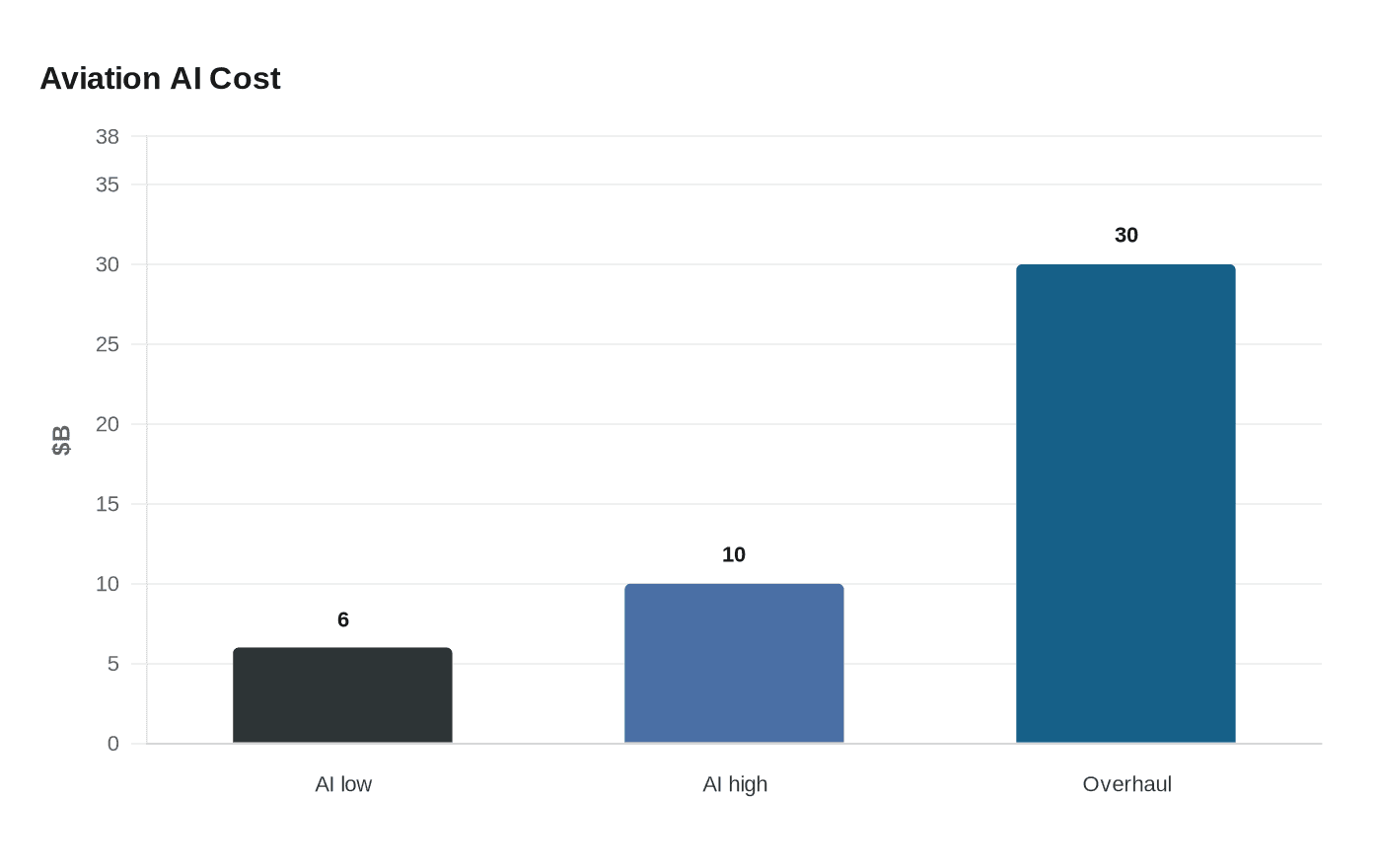
That narrower approach stands in contrast to an earlier Trump administration overhaul proposal that called for replacing technology at more than 4,600 air traffic control sites, building six new coordination centers, buying 25,000 radios, replacing more than 600 radars and installing 4,000 high-speed network connections. Industry groups said that broader plan would require at least about $30 billion. The politics now turn on a basic question of oversight: how far automation can go in a safety-critical system before the human in the loop stops being a safeguard and becomes a fig leaf.
This article was produced by Prism’s automated news system from verified source data, official records, and press releases, then run through automated quality and moderation checks before publishing. The system is built and supervised by the people who set the standards it runs under. Read our full AI policy.
Did this article answer your question?