Rare storm batters Black Lake homes as Michigan flooding worsens
Homes along Black Lake were inundated as floodwater washed out roads, closed a bridge and forced evacuations across Cheboygan County.
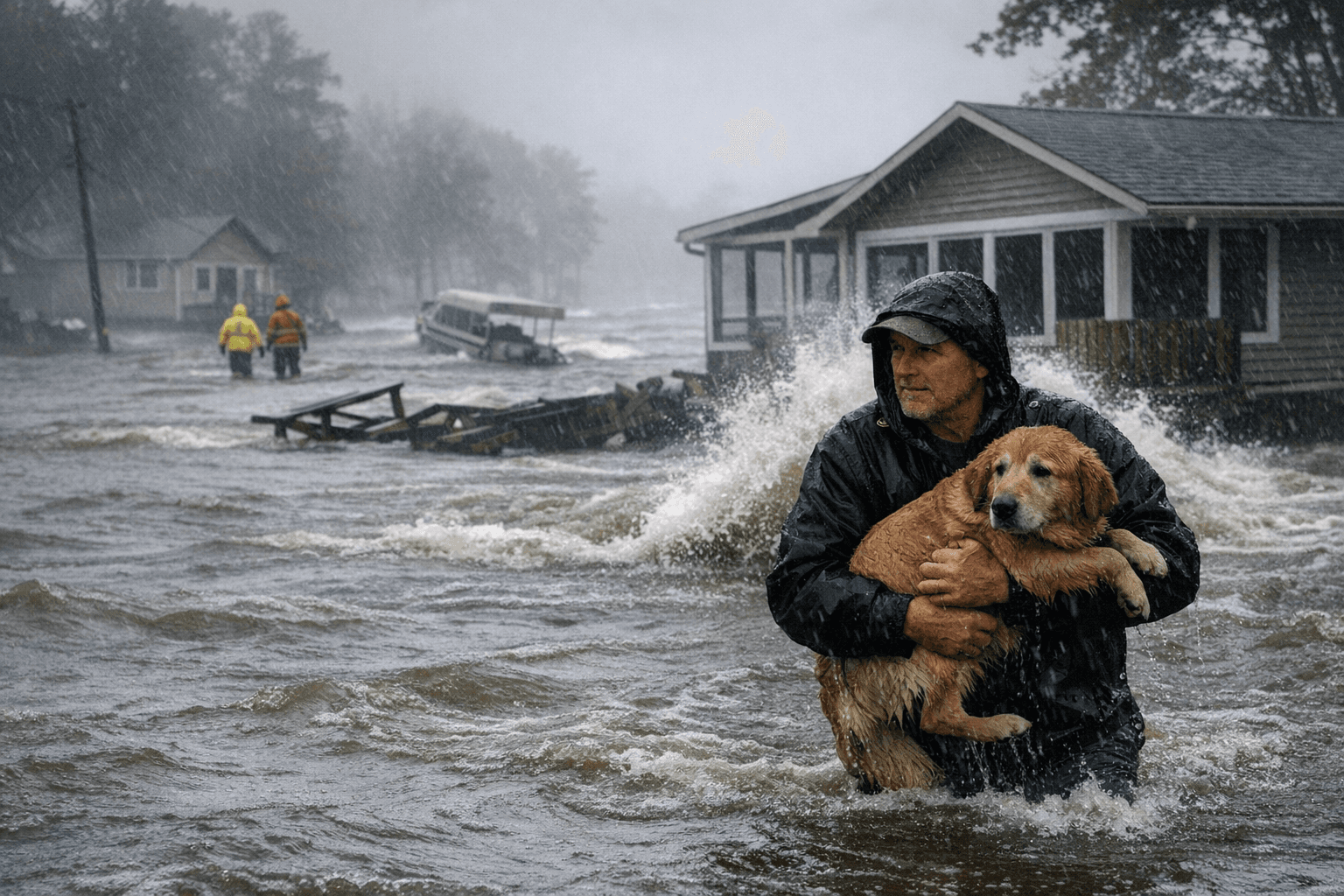
Water surged into Black Lake homes, washed out a road near West Black Lake and forced emergency crews into a race to clear residents from a shoreline area that local officials said had been hit by flooding, snowmelt and rain all at once. By 12:30 p.m. Saturday, evacuations near the lake were complete, but damage remained across Cheboygan County.
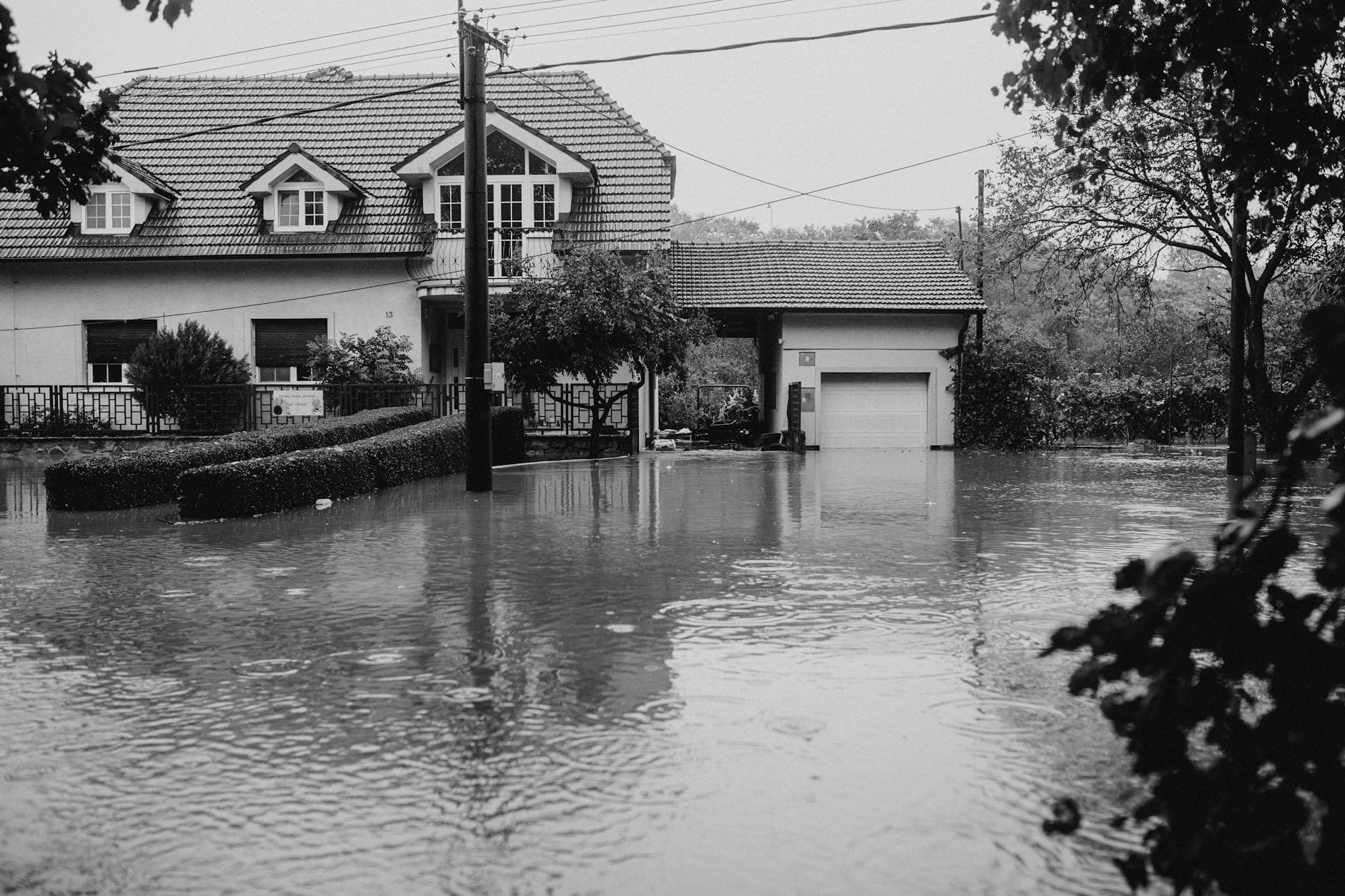
Michigan State Police said a bridge at Five Mile Point Road was closed after South Black River Road near Red Bridge Road washed out, underscoring how quickly the flooding cut off access in Northern Michigan. Cheboygan County officials said Black Lake, Black River, Cheboygan River, Burt Lake, Mullett Lake, the Sturgeon River and nearly every waterway in the county had overflowed their banks, swallowing docks, roads, yards and, in many cases, homes.
Sheriff Todd Ross said his office was working around the clock with partners to keep people safe and begin recovery. The flooding also strained local dams as water levels rose, adding pressure in an area already dealing with spring melt and heavy rain. Black Lake sits near the tip of Michigan’s Lower Peninsula, bordering Cheboygan and Presque Isle counties, and it is one of the state’s largest inland lakes.
The scene on the ground carried an added layer of significance in a community that has spent more than 20 years rebuilding its lake sturgeon population. Michigan State University and the Michigan Department of Natural Resources have worked together through the Black Lake Stream Side Rearing Facility in Onaway to restore the species, tying the lake’s health to a long-running conservation effort that depends on stable water conditions.
The flooding also fit into a broader Great Lakes pattern that can turn volatile when snowmelt and rain arrive together. NOAA says Great Lakes ice cover varies from year to year and influences weather patterns, water levels, water movement, water temperature structure and spring plankton blooms. Michigan has seen shoreline ice cause its own damage before: in 2009, strong winds drove ice into beachfront homes along Saginaw Bay, and state police said some houses had ice nearly 12 feet deep inside.
For Black Lake residents, the latest storm left a different kind of wreckage, but the message was the same. In a region where water, ice and spring weather can shift fast, even familiar shorelines can become hazard zones within hours.
This article was produced by Prism’s automated news system from verified source data, official records, and press releases, then run through automated quality and moderation checks before publishing. The system is built and supervised by the people who set the standards it runs under. Read our full AI policy.
Did this article answer your question?

