LA Unified votes to curb student screen time, restrict devices in schools
LAUSD voted 6-0 to limit student screen time, setting grade-specific rules, lunch-and-recess limits and a June deadline for a new policy.
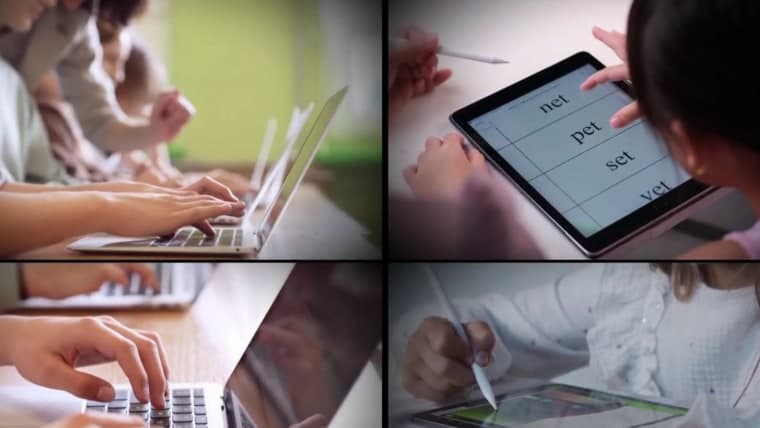
Los Angeles Unified moved to pull back on classroom technology in a district that put devices in nearly every student’s hands during the pandemic, betting that a new set of limits can reset habits built over years of constant screen use. The Board of Education voted 6-0, with one recusal, to approve a resolution that will require a detailed screen-time policy by June and a rollout in the 2026-2027 school year.
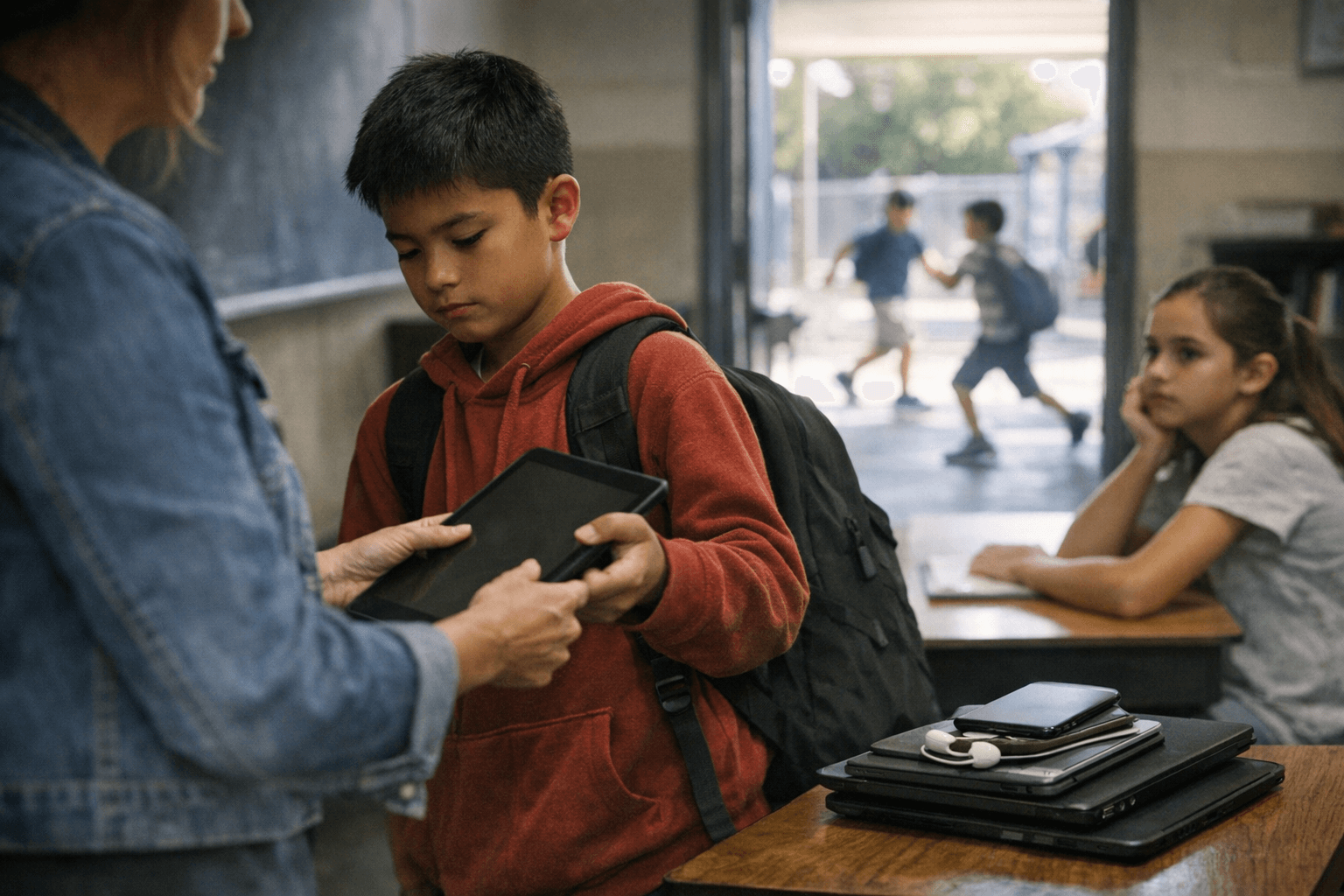
The measure would force the nation’s second-largest school district, with more than 520,000 students across 710 square miles, to write grade- and subject-specific rules for device use. It largely restricts elementary and middle school students from using devices during lunch and recess, prohibits device use for first grade and younger, and requires the district to clarify how parents can opt their children out of technology use at school. The resolution also calls for an audit of education-technology contracts, a signal that the board wants not just tighter classroom rules but closer scrutiny of the business arrangements behind them.
It also pushes staff to favor pen-and-paper assignments over device-based work and to bar students from independently seeking out YouTube videos. That detail goes to the heart of the debate now playing out in classrooms built around Chromebooks and iPads: whether screen limits can be enforced in a way that changes student behavior, or whether they will mostly change the appearance of compliance while the devices stay central to instruction.
The vote came after sustained pressure from parents who said school-issued iPads and Chromebooks had helped fuel declining grades, distraction from YouTube, video games and social media, and behavior problems. Some parents described more serious incidents, including a child running away with a school-issued iPad. The campaign was driven by Schools Beyond Screens, a parent group that said it has about 2,000 local members and organized through board meetings, social media, listening sessions and private meetings with district leaders.
Board member Nick Melvoin, who drafted the measure, said the district has a responsibility to “draw a line in the sand” and begin recalibrating how schools use technology after the COVID-era expansion. The move follows LAUSD’s February ban on personal devices such as smartphones and smartwatches during the school day, and it lands as school systems nationwide confront a broader backlash. NBC News reported in March that lawmakers in 16 states had introduced bills to limit education technology in public schools, as parents and legislators scrutinize an industry valued at $164 billion.
For Los Angeles Unified, the immediate test is practical, not symbolic: whether a district spread from most of Los Angeles into parts of 25 other cities and unincorporated Los Angeles County can turn a political rebuke of screen time into a workable classroom standard. If it succeeds, other large districts are likely to copy the model.
This article was produced by Prism’s automated news system from verified source data, official records, and press releases, then run through automated quality and moderation checks before publishing. The system is built and supervised by the people who set the standards it runs under. Read our full AI policy.
Did this article answer your question?