Dutch court sentences former pro-Assad militiaman to 26 years for torture, rape
A Hague court gave a former Assad militia interrogator 26 years for torture and rape, a landmark case showing Europe can still try Syrian war crimes years later.
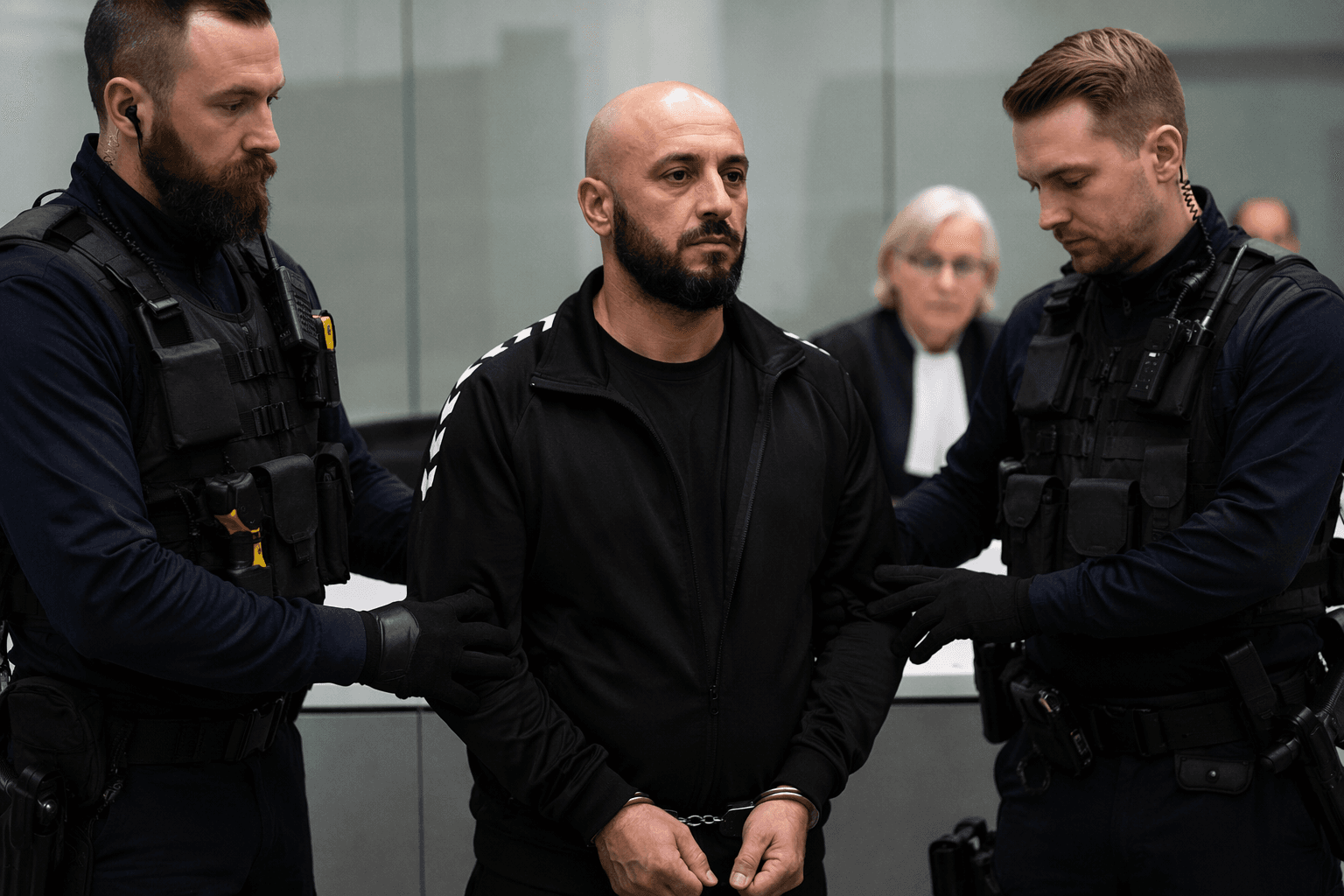
The District Court of The Hague handed a former pro-Assad militiaman a 26-year prison sentence for torturing and raping detainees in Syria, turning a case that began with survivors’ accounts into a landmark test of delayed justice. The ruling reached beyond one defendant: it showed how European courts are being used to pursue accountability for Syrian war crimes when prosecution in Syria is impossible.
The defendant was identified under Dutch privacy rules as 58-year-old Rafiq al Q., also reported as Rafik A. He was described as a former interrogator, and in some reporting as the head of the interrogation unit of the National Defense Forces in Salamiyah, a western Syrian city. The court convicted him of 19 international crimes committed in Syria in 2013 and 2014, more than a decade before the verdict.
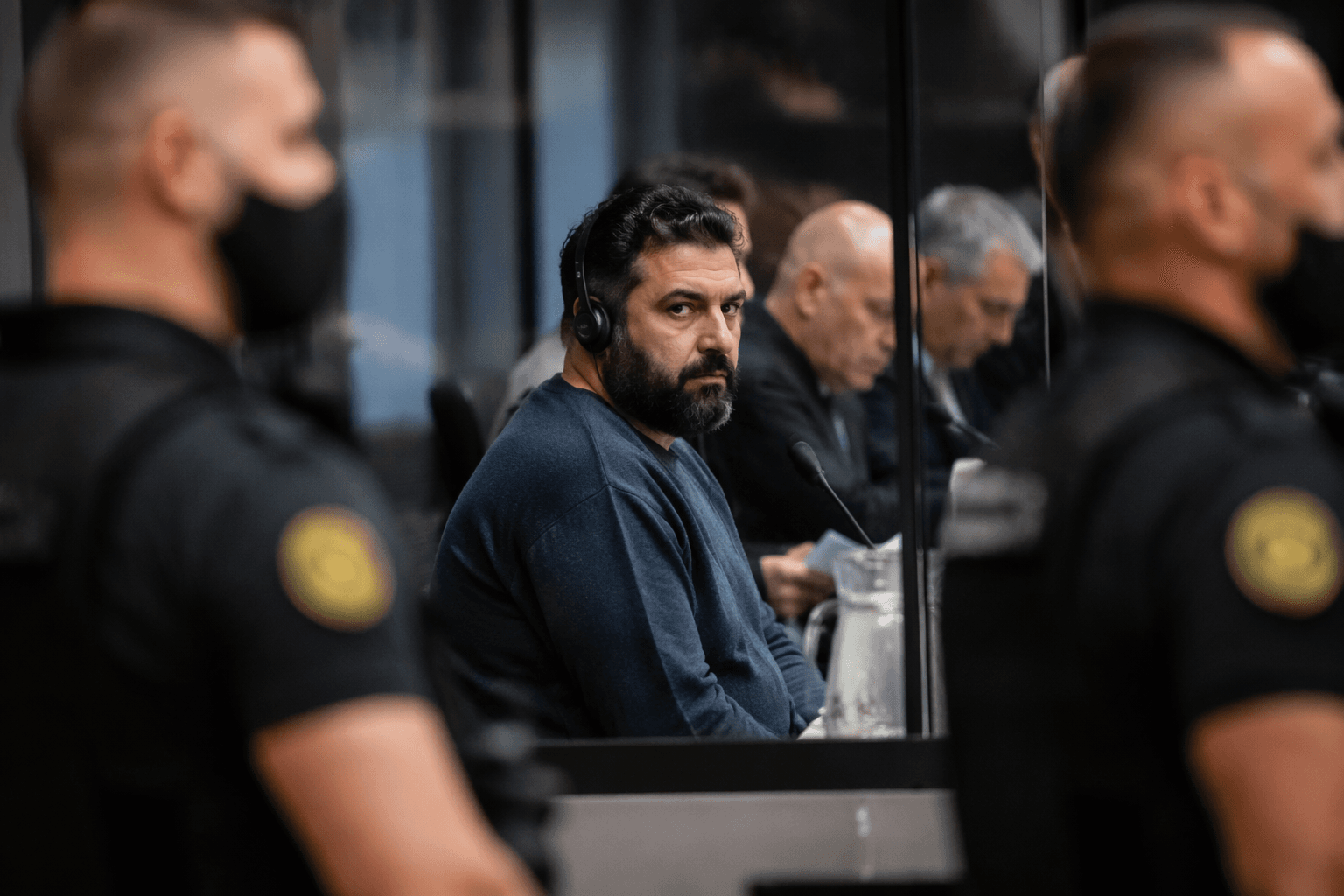
Prosecutors had sought a 30-year sentence. He denied the allegations when he went on trial in April 2026, but the court found that his abuse of prisoners rose to the level of crimes against humanity, not isolated violence. That distinction matters in universal-jurisdiction cases, where judges must show that abuse was systematic and tied to a broader machinery of repression rather than a single episode of cruelty.
The verdict is especially significant because Dutch reporting says it was the first Dutch conviction for atrocities committed by pro-government forces in Syria. It was also the Netherlands’ first Syria-related prosecution to treat sexual violence as a crime against humanity. For survivors, that recognition carries weight beyond the sentence itself: it places torture and rape within the framework of international law, and it confirms that those crimes can still be prosecuted long after the battle has moved on.
The Netherlands has already become one of the more active European venues for Syria accountability. In January 2024, The Hague sentenced former Syrian militia member Mustafa A. to 12 years in prison for illegal detention and complicity in torture. Dutch and Associated Press coverage also noted another Syrian man was convicted in 2021 for the summary execution of a prisoner.
Together, those cases show a widening legal pattern. As international tribunals remain limited or slow, national courts in Europe are stepping into the gap, giving survivors a courtroom even when the original system of power that abused them still stands.
This article was produced by Prism’s automated news system from verified source data, official records, and press releases, then run through automated quality and moderation checks before publishing. The system is built and supervised by the people who set the standards it runs under. Read our full AI policy.
Know something we missed? Have a correction or additional information?
Submit a Tip