Dyson launches smaller, cheaper Supersonic Travel hair dryer for trips
Dyson cut the size of its signature hair dryer by 32 percent and the price by $100, testing whether “travel” can still sell as premium innovation.

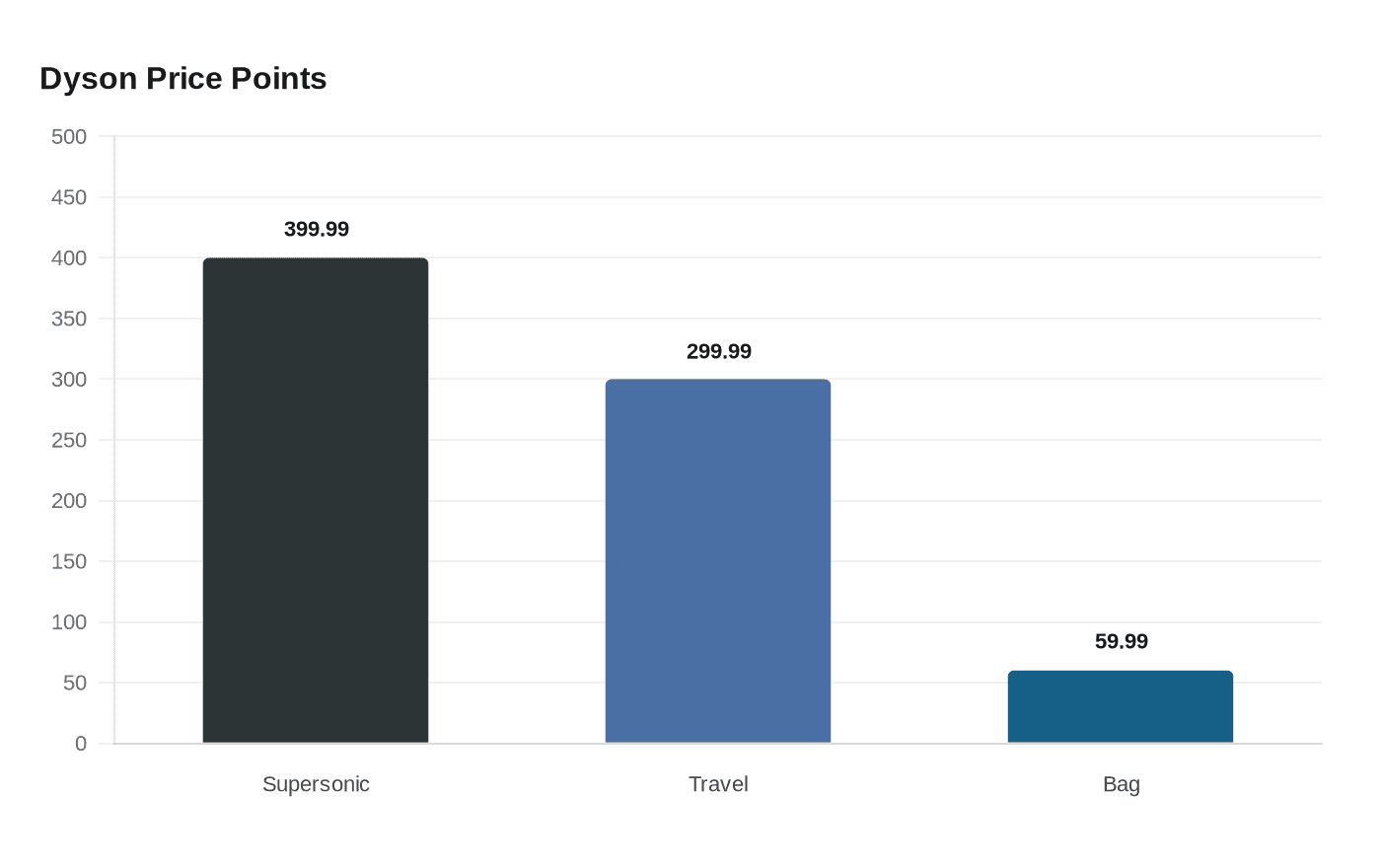
Dyson has spent a decade turning hair care into a luxury hardware business, and its newest pitch is familiar: make the product smaller, shave off some weight and call the compromise a feature. The Supersonic Travel, which went on sale in select markets on April 20, carried a $299.99 price tag, about $100 less than the original Supersonic, but still firmly in the premium tier.
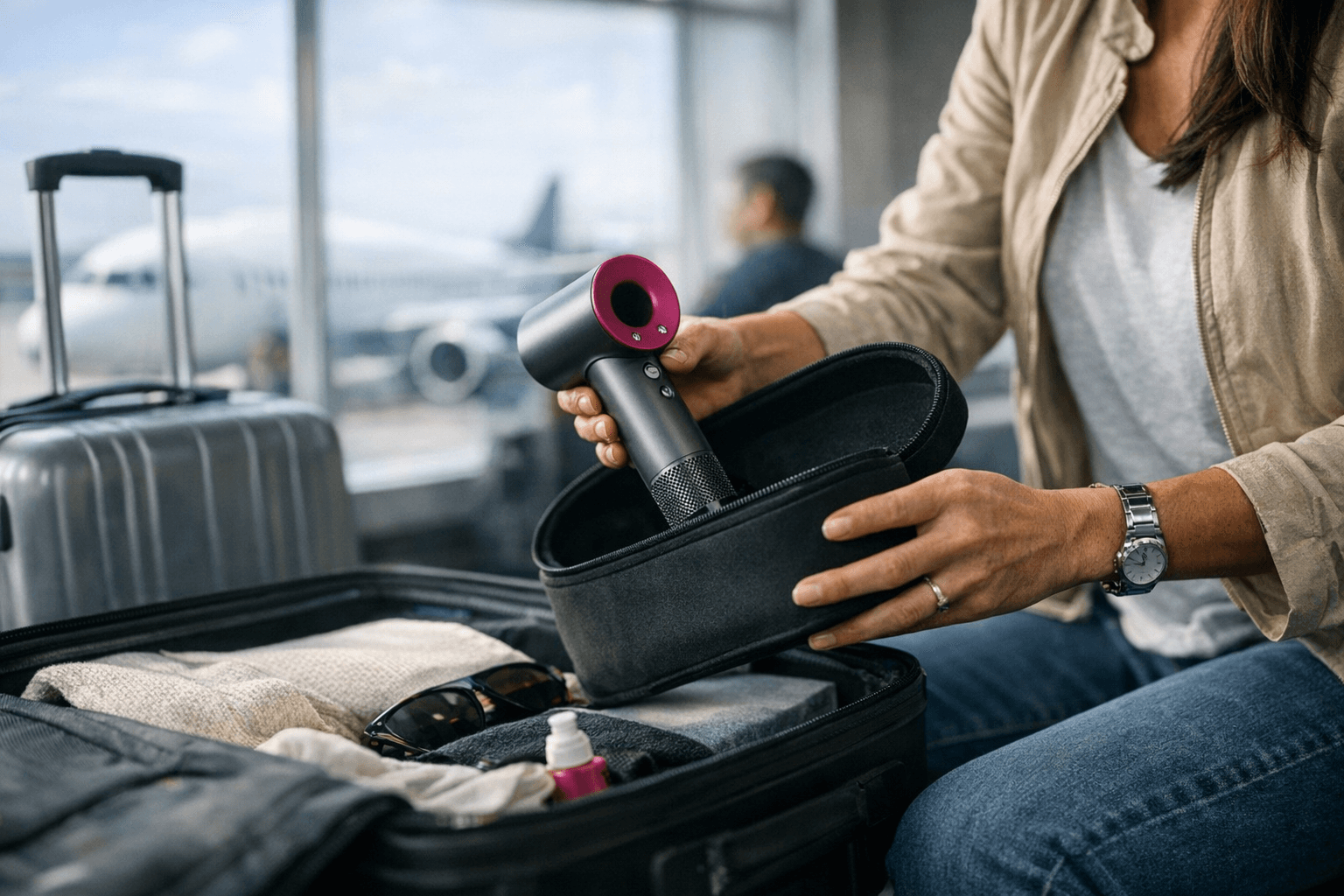
The company said the travel model was 32 percent smaller and 25 percent lighter than the original, weighing about 330 grams. It was built for business trips, gym bags and carry-on space, not for a wholesale rethink of the category. Dyson also added universal voltage compatibility for 110–240V use, with the dryer automatically adapting to the destination, a practical detail that matters more than any styling flourish for frequent flyers moving between countries.
That utility, however, comes at a price that keeps the product in elite-consumer territory. The new dryer launched with one attachment, the Styling concentrator, and Dyson said buyers could choose a complimentary travel bag worth $59.99 at checkout. The company also said the travel dryer could share attachments with an existing Dyson Supersonic hair dryer, a design choice that reinforces the pitch to current Dyson owners rather than first-time buyers.
The wider message is less about hair and more about pricing power. Dyson introduced the original Supersonic in 2016 at $399.99 in the United States, a launch that helped establish the idea that a hair dryer could be a status object as much as a utility. The company has since kept iterating the line with premium versions such as the Supersonic r and Supersonic Nural, suggesting the category has become durable enough to support multiple tiers instead of a single novelty hit.
Dyson said the travel model still uses intelligent heat control that measures airflow temperature 100 times per second to help prevent extreme heat damage and keep hair smoother and shinier. That helps explain why the company can ask nearly $300 for a compact dryer: it is not selling portability alone, but portability wrapped in the same engineering narrative that made the original a luxury benchmark.
The deeper test is whether consumers still reward brands that package restraint as progress. In a softer discretionary market, smaller and slightly cheaper can look less like innovation than a way to defend a premium franchise without giving up much margin. For Dyson, that may be the point.
This article was produced by Prism’s automated news system from verified source data, official records, and press releases, then run through automated quality and moderation checks before publishing. The system is built and supervised by the people who set the standards it runs under. Read our full AI policy.
Did this article answer your question?


