Eastern Europe urges Brussels to boost climate transition funding
Eastern and central European states want a bigger climate fund as Brussels rewrites emissions rules, warning that higher costs could hit households, transport and industry first.

Poland, Bulgaria, Romania and Estonia are pressing Brussels to make Europe’s climate transition less uneven, arguing that poorer member states cannot absorb the costs of decarbonization on their own. Their focus is the Modernisation Fund, a carbon-market financed instrument that has already surpassed 20 billion euros and pays for cleaner power, grid upgrades and other transition projects in lower-income countries.
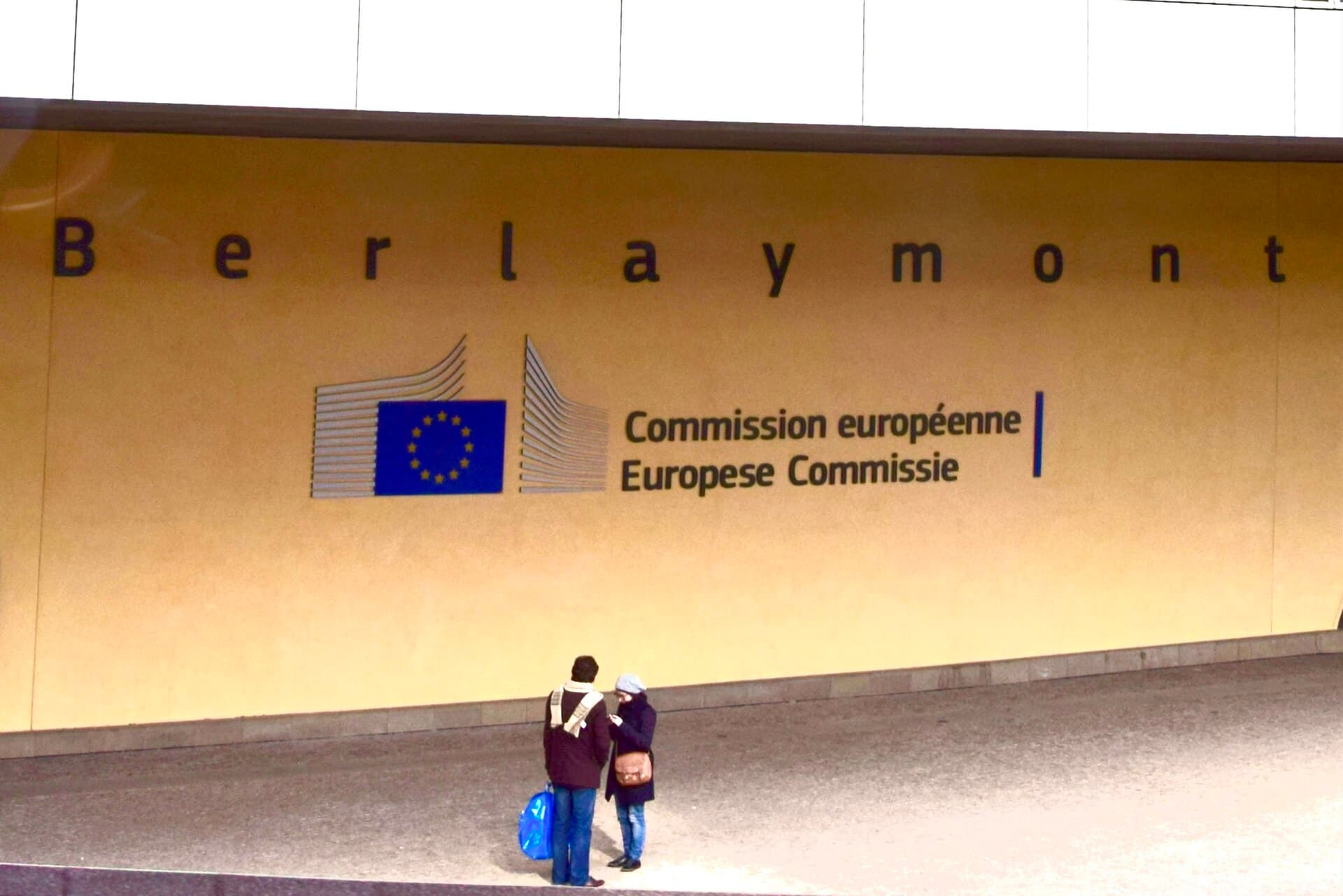
The timing sharpened the political stakes. The European Commission had already proposed updated EU emissions trading system benchmark values for 2026-2030 on May 11, and a broader ETS overhaul was expected in July 2026. For the eastern and central European governments behind the letter, that meant the question was not whether the bloc should keep cutting emissions, but who would pay for the shift.
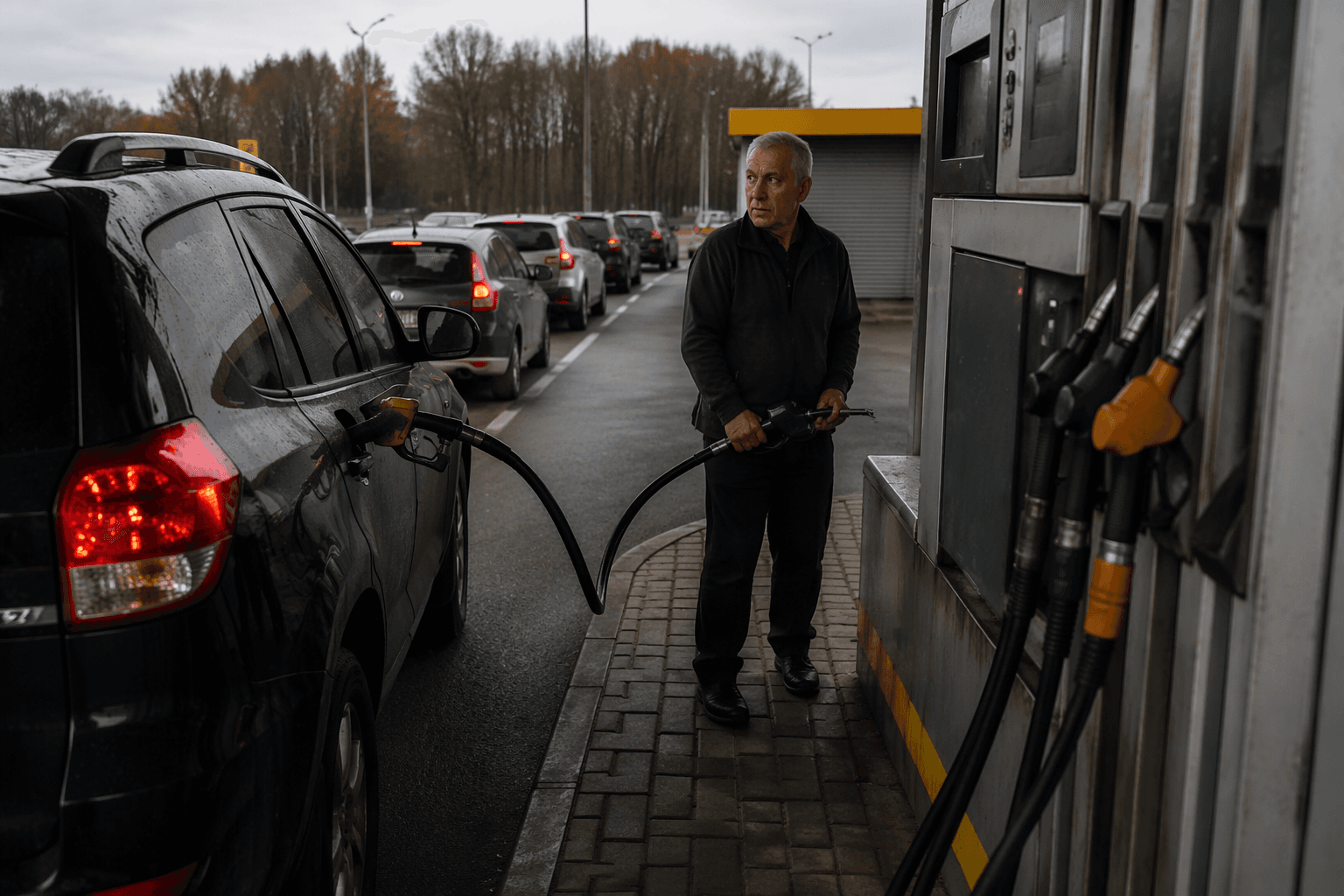
That is where the politics inside the green transition becomes clear. In countries that still rely more heavily on older energy infrastructure, a tighter carbon system can quickly filter through to household heating bills, transport costs and the operating expenses of factories and utilities. Governments in the region are not asking for a new climate program so much as a stronger, more predictable version of an existing one, so that cleaner energy does not arrive as an immediate burden on voters and industrial employers.
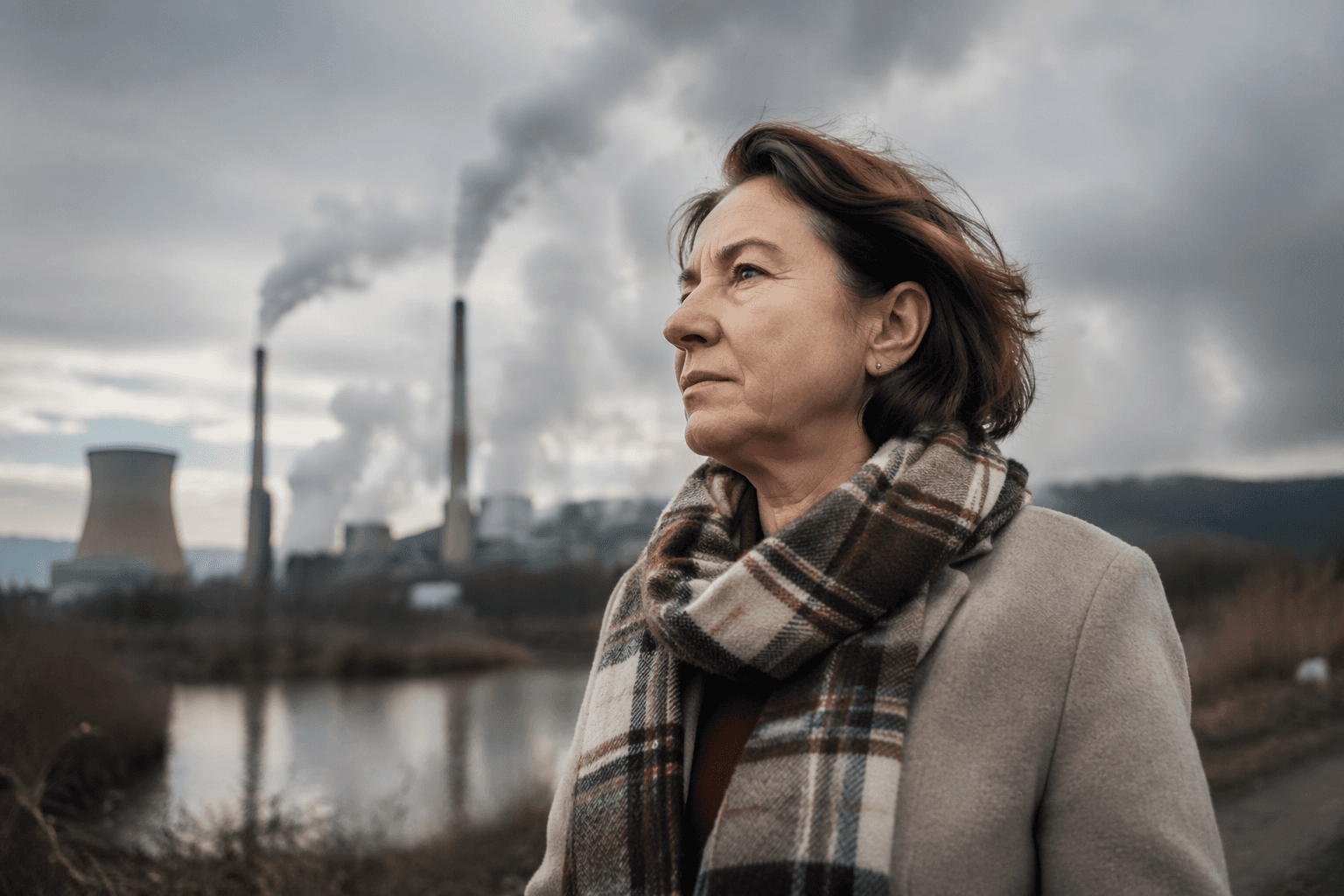
The fund has already become a central channel for climate redistribution inside the European Union. A July 3, 2025 announcement from the European Commission and the European Investment Bank said 3.66 billion euros had been disbursed for 34 energy projects in nine member states. By December 17, 2025, the fund had passed the 20 billion euro mark in support for clean-energy investments across the bloc.
That track record helps explain why poorer member states are pushing for more. The Commission describes the Modernisation Fund as a tool that combines decarbonisation with EU solidarity, and the countries seeking a larger pot are effectively arguing that solidarity must now be scaled up if the climate agenda is to remain politically durable.
The broader fight is about the balance of power inside the bloc. Wealthier and more advanced economies can absorb carbon costs more easily, while eastern and central Europe is asking for a fairer distribution before the next round of climate rules lands. If those concerns go unanswered, Brussels risks turning decarbonization into another source of division between Europe’s east and west just as it tries to lock in the next phase of its green transition.
This article was produced by Prism’s automated news system from verified source data, official records, and press releases, then run through automated quality and moderation checks before publishing. The system is built and supervised by the people who set the standards it runs under. Read our full AI policy.
Did this article answer your question?