Eastern Germany shrinks as reunification divides population growth
Eastern Germany has lost 16% of its population since reunification, while the west gained 10%. In 2025 only Berlin, Hamburg and Bremen grew as the workforce kept shrinking.
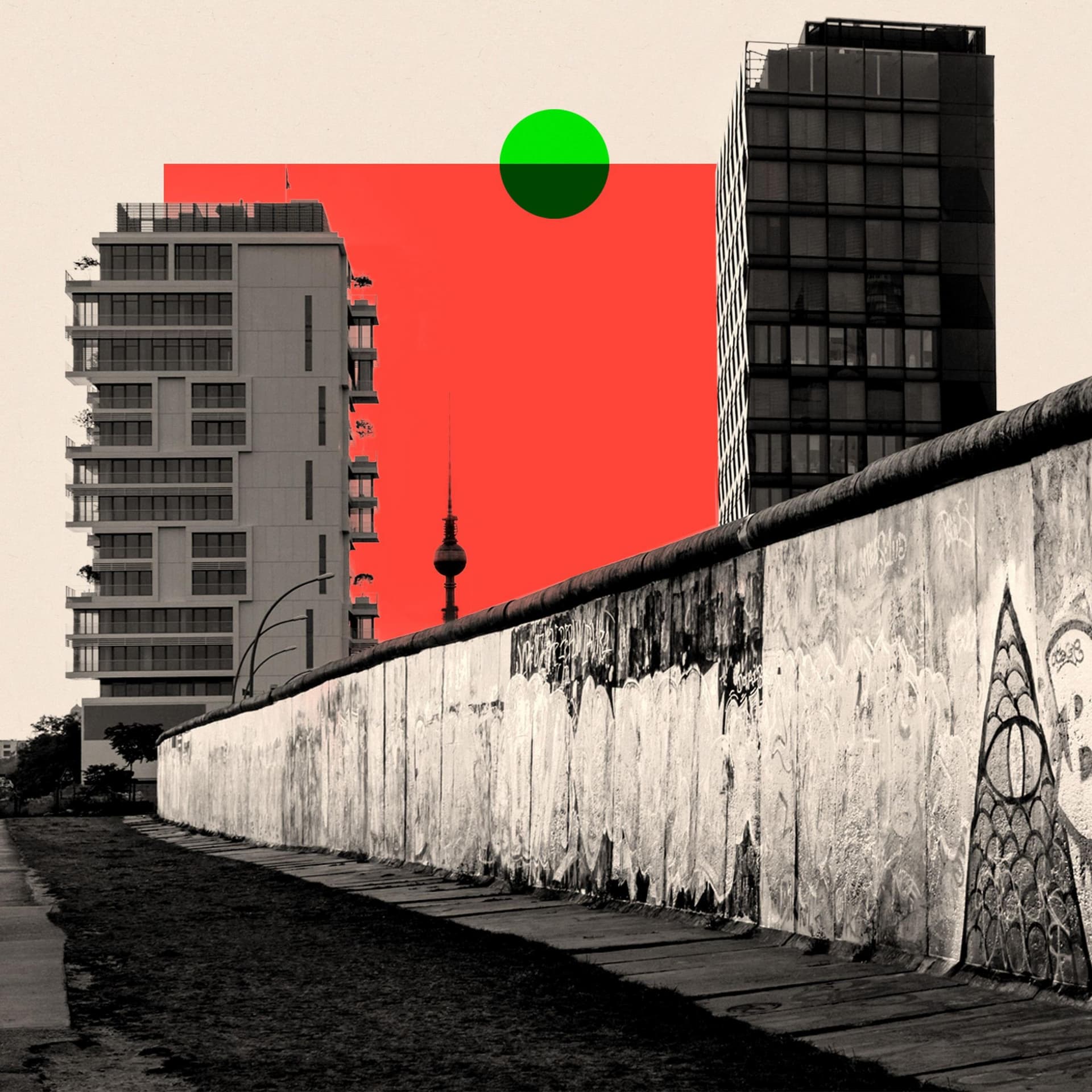
Germany ended 2025 with 83.5 million residents, 110,000 fewer than a year earlier, as the eastern states shrank by 0.5% and the former West Germany fell by 0.1%. Only Berlin, Hamburg and Bremen posted growth, underscoring how sharply population trends still split along the old Cold War divide.
Since reunification on 3 October 1990, the gap has widened steadily. Figures from the German Federal Statistical Office show western Germany, defined as the former federal territory without West Berlin, grew 10% between 1990 and 2024 to 67.5 million people. Eastern Germany, the new Länder excluding Berlin, fell 16% to 12.4 million. The west now has more than five times as many residents as the east. Migration patterns have been a major driver, with many younger people leaving eastern states for jobs in the west while lower birth rates accelerated ageing in the east and immigration slowed ageing in the west.
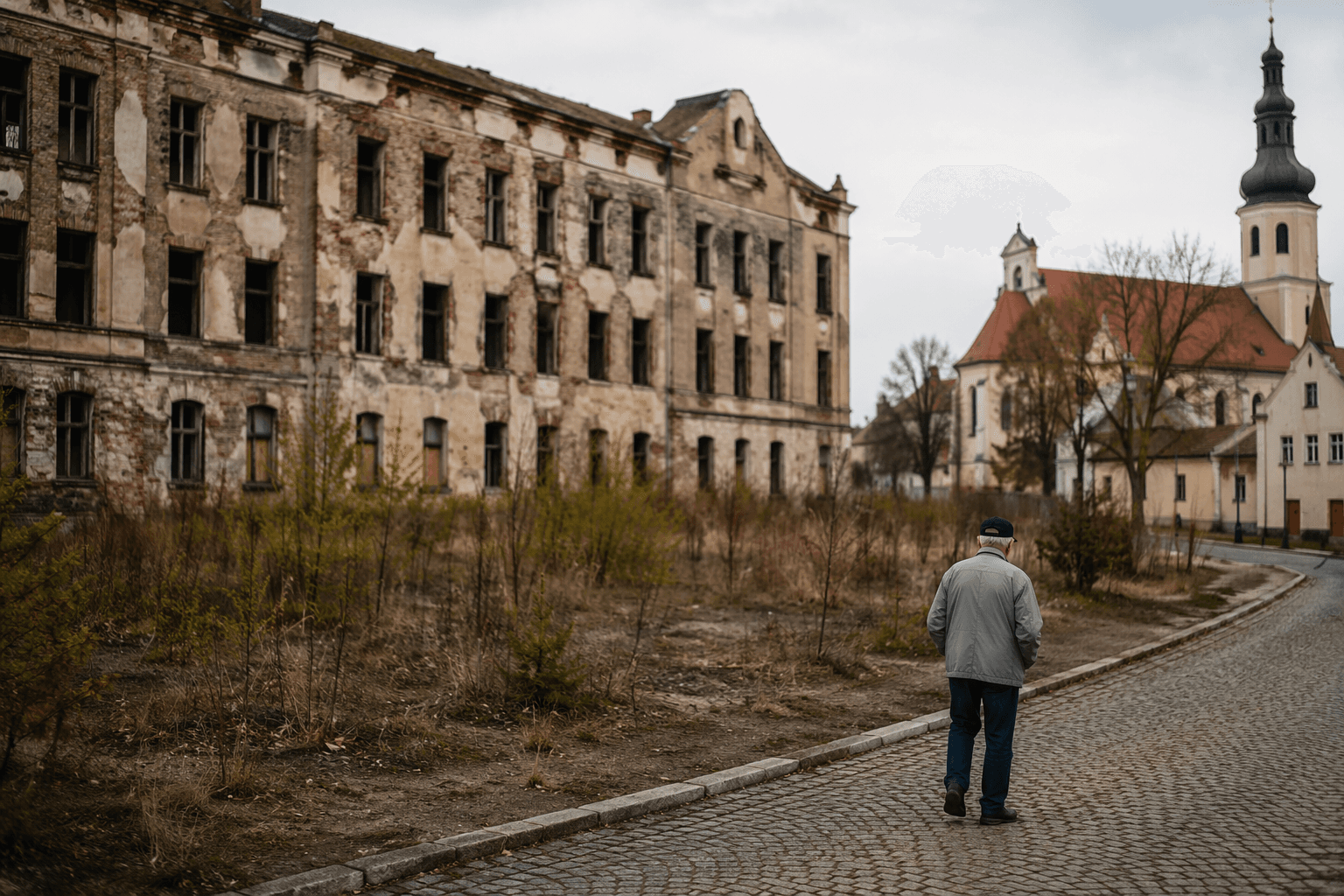
The pressure is now showing up in the age structure. In 2025, the population aged 60 and over rose by 387,000, while the 20-to-59 group fell by 409,000. Net migration fell to 235,000 from 430,000 in 2024, leaving a birth deficit of 352,000 only partly offset. Destatis projects that by 2035 one in four people in Germany will be aged 67 or older, compared with one in five in 2024. Other projections put the population at around 75 million by 2070, a decline that would tighten the labour market and strain local budgets.

The consequences are visible in towns such as Oschersleben in Saxony-Anhalt, where residents describe abandoned factories and the loss of jobs after reunification. Many people left because the opportunities were in the west, and Saxony-Anhalt has seen the steepest decline among the five eastern states, with its population down 26% since reunification. The loss is not only economic. It also leaves fewer workers to staff businesses and public services, and fewer young families to replace them.
That demographic hollowing-out has become politically combustible. The far-right Alternative for Germany won more than 40% in parts of the east in the 2025 federal election, and economic inequality between east and west continues to weaken support for the CDU/CSU, the SPD and other mainstream parties. In a country that promised reunification as a completed project, population decline is exposing how unfinished that promise remains.
This article was produced by Prism’s automated news system from verified source data, official records, and press releases, then run through automated quality and moderation checks before publishing. The system is built and supervised by the people who set the standards it runs under. Read our full AI policy.
Did this article answer your question?