US and Iran agree to stand down, talks continue on Strait of Hormuz
U.S. and Iranian officials paused strikes and headed to Doha, but a tanker hit in the Strait of Hormuz showed how fragile the ceasefire remained.
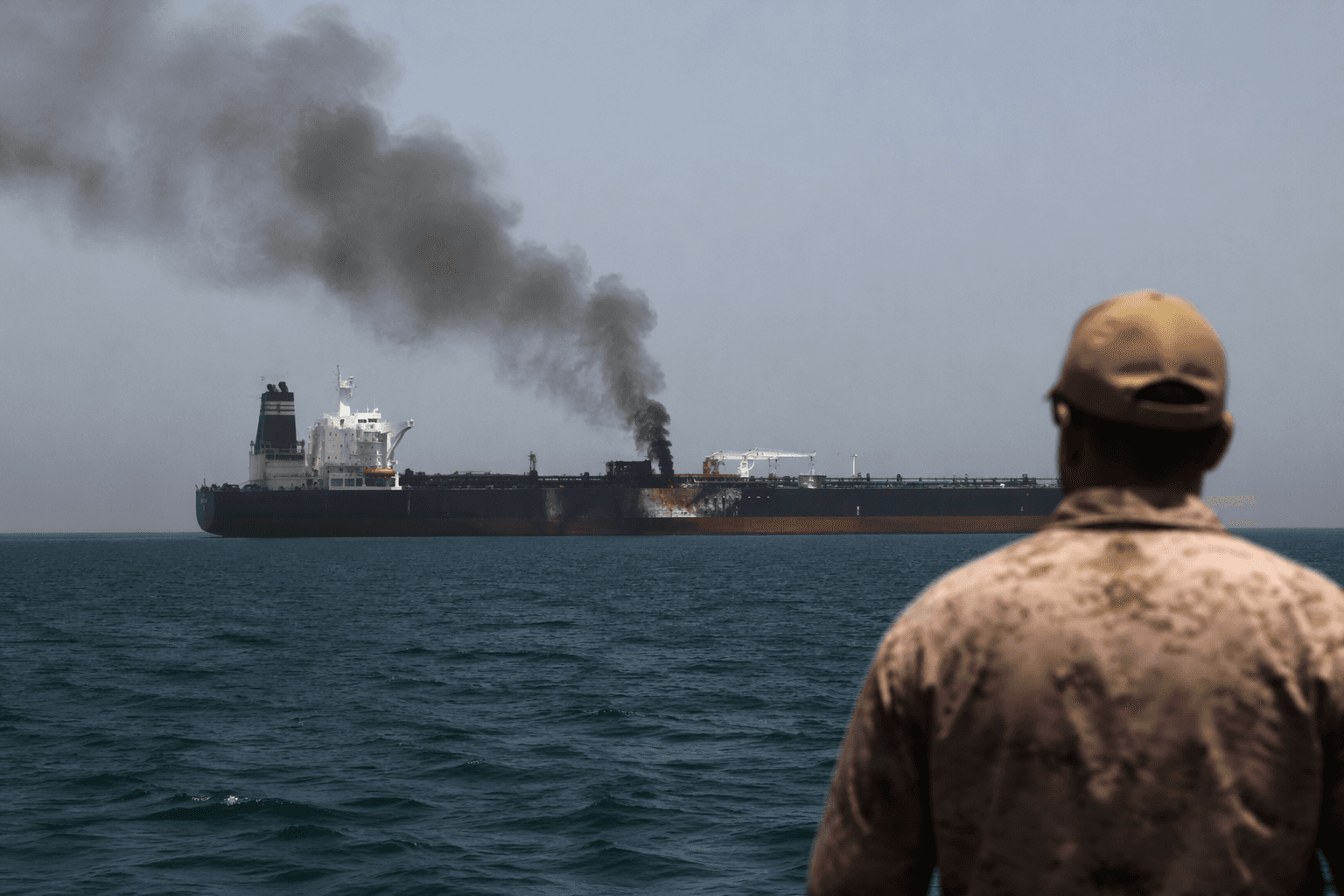
U.S. and Iranian officials agreed to stand down for now after a weekend of strikes and set up another round of talks in Doha, but the latest calm looked more like a tactical pause than a durable settlement. The truce was tested almost immediately by the strike on a tanker in the Strait of Hormuz on June 27, a reminder that the waterway remains one of the most dangerous pressure points in the conflict.
The new diplomatic track grew out of high-level talks that wrapped up in Burgenstock, Switzerland, on June 22, when representatives from Iran, the United States, Qatar and Pakistan said they had reached a roadmap toward a final deal within 60 days. Qatar and Pakistan also said the talks created a communication line meant to reduce the risk of incidents in the Strait of Hormuz. U.S. officials now say technical talks will continue and that vessels can move freely for the moment, but the next meeting in Doha on Tuesday will be the real test of whether both sides still want a negotiated off-ramp.
The stakes are immense because the Strait of Hormuz is not just a battlefield flashpoint, it is one of the world’s most important oil arteries. The International Energy Agency says about 20 million barrels a day of crude oil and oil products moved through the strait in 2025, roughly 20% of global petroleum liquids consumption and about one-quarter of all global maritime traded oil. At its narrowest point, the strait is only 29 nautical miles wide, with two-mile-wide channels for inbound and outbound shipping, which leaves little margin for error when missiles, drones or unexplained projectiles are in play.
Oil markets have already shown how quickly fear travels. Prices jumped after the tanker hit and then moved lower as shipping conditions shifted, a pattern that reflects how closely traders are watching whether the ceasefire holds. The International Energy Agency has said restoring normal transit through Hormuz is essential to stabilizing global energy markets, and that goal now depends on restraint not just from U.S. and Iranian forces, but from the regional proxies and maritime actors that can quickly widen the fight. The weekend escalation was described as the worst since the interim peace deal two weeks earlier, and that makes the Doha talks less a victory lap than a high-stakes pause, with the next incident at sea capable of collapsing the effort.
This article was produced by Prism’s automated news system from verified source data, official records, and press releases, then run through automated quality and moderation checks before publishing. The system is built and supervised by the people who set the standards it runs under. Read our full AI policy.
Did this article answer your question?


