easyJet backs Apollo bid, igniting takeover battle for airline control
easyJet backed Apollo’s £5.7 billion cash bid after Castlelake’s lower offer, setting up a fight for control of Britain’s best-known low-cost airline.
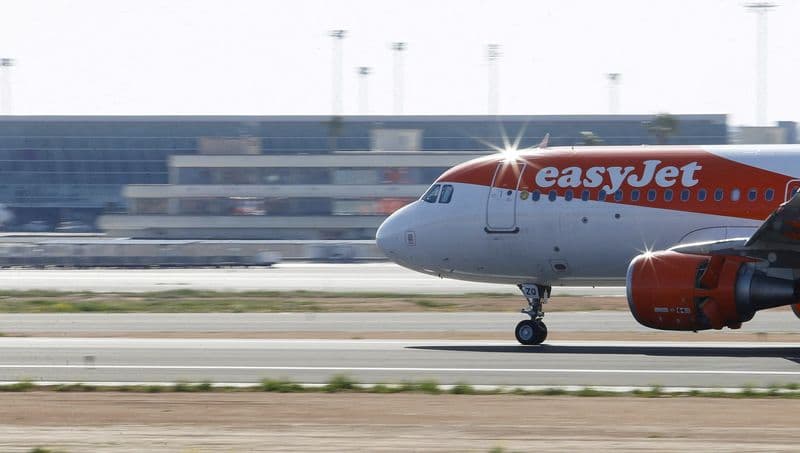
easyJet backed Apollo Global Management’s £7.15-a-share cash proposal, valuing the carrier at about £5.7 billion, and said it was no longer minded to recommend Castlelake’s lower offer. The move pushed the airline into the middle of a takeover battle, with Apollo facing an August 7 deadline to make a firm offer or walk away.
The contest escalated quickly. easyJet and Castlelake had agreed in principle on July 5 to a £6.90-a-share proposal, before Apollo emerged on July 8 with its higher bid. By July 10, the board had shifted support to Apollo’s terms. The change underscored how much leverage easyJet has regained after years of disruption, with bidders now competing not just for the airline’s shares but for influence over one of Europe’s largest short-haul operators.
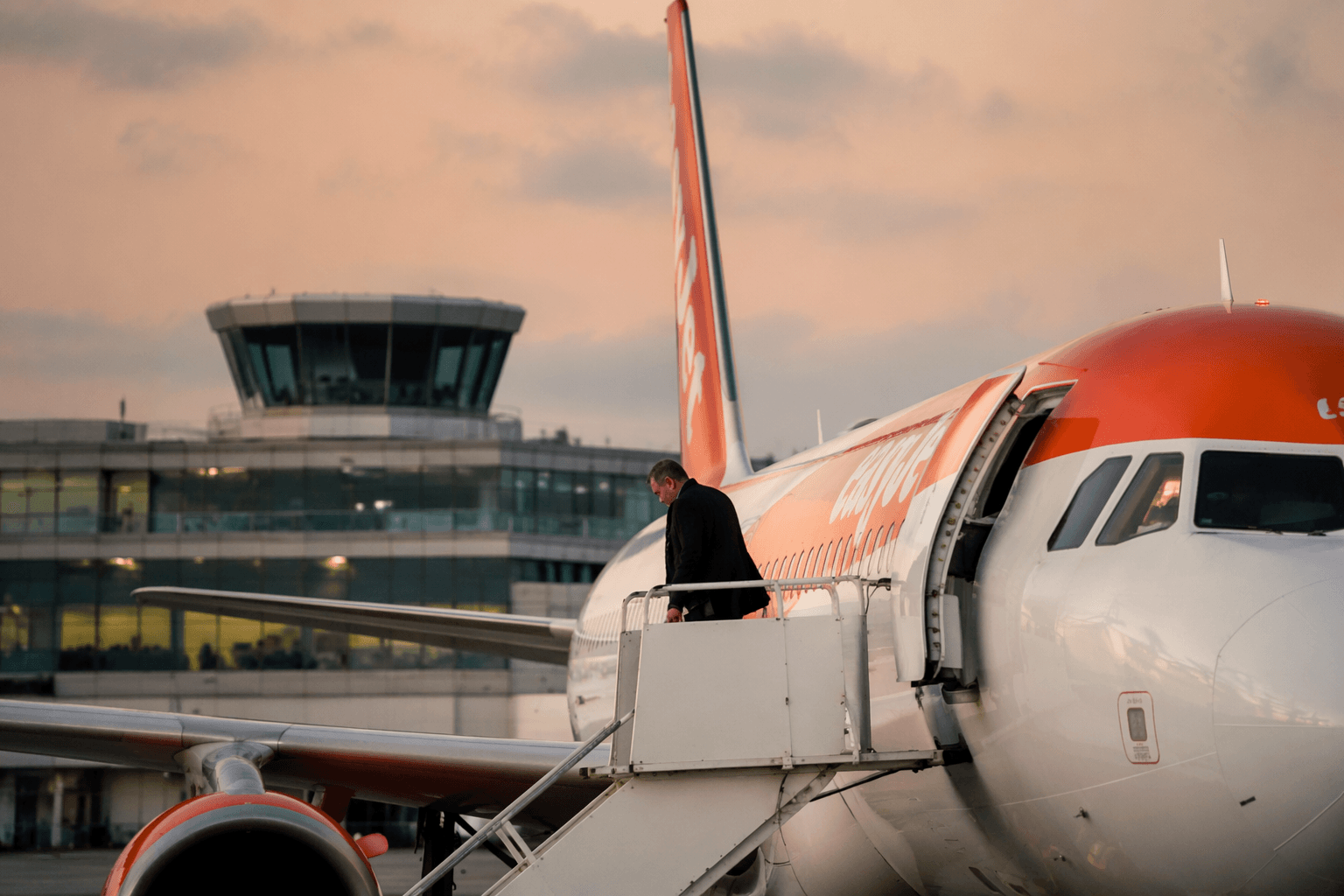
The timing matters because easyJet’s trading has been under pressure even as its balance sheet remains substantial. In the first half of fiscal 2026, the airline posted a headline loss before tax of £552 million, wider than the £394 million loss a year earlier. Forward bookings were affected by conflict in the Middle East, and customers were booking later than usual, leaving management with more uncertainty over near-term revenue. At the same time, easyJet said it ended the period with £4.7 billion of liquidity, £434 million of net cash and £5.0 billion of owned assets, a combination that gives any bidder both a challenge and an opportunity.
Apollo’s interest reflects a wider shift in airline economics. The low-cost model that easyJet helped define now offers private capital a platform with scale, slots and a recognized brand, but also exposure to fuel, geopolitics and competition on price. A successful bid could reshape route decisions, fleet planning and fare pressure across key European markets, particularly if Apollo pushes for more aggressive asset and network use.
easyJet’s own history explains why the airline has become such a prized target. Its first flight took off on November 10, 1995, from London Luton Airport to Glasgow, when the company had just one aircraft and 77 employees. It launched its first international route to Amsterdam in 1996 and floated on the London Stock Exchange in November 2000, initially valued at £777 million. More recently, it added easyJet holidays in November 2019, broadening the business beyond point-to-point flying. What began as a disruptive start-up is now a strategic asset, and Apollo’s bid has turned that transformation into a fight for control.
This article was produced by Prism’s automated news system from verified source data, official records, and press releases, then run through automated quality and moderation checks before publishing. The system is built and supervised by the people who set the standards it runs under. Read our full AI policy.
Did this article answer your question?