eBay Rejects GameStop's $56 Billion Takeover Bid as Not Credible
eBay's board called GameStop's $55.5 billion offer “neither credible nor attractive,” after markets questioned how the meme-stock retailer would finance it.
eBay brushed aside GameStop’s $55.5 billion takeover pitch on Monday, saying the unsolicited offer did not clear the first hurdle of a real merger campaign: credibility. Board chairman Paul Pressler said the proposal was “neither credible nor attractive,” closing the door on a deal that had already been met with investor skepticism, financing doubts and a sharp split in the two stocks.
The rejection followed a fast-moving bid that GameStop unveiled on May 3, when Ryan Cohen’s company offered $125 a share in a mix of 50% cash and 50% stock. GameStop said the proposal implied a premium of 46% to eBay’s unaffected close on February 4 and that it had already built a 5% economic stake through derivatives and beneficial ownership. The company also said it had filed a Schedule 13D and HSR notification and had about $9.4 billion in cash and liquid investments as of January 31, plus a highly confident financing letter from TD Securities for up to $20 billion.
That financing claim became the central weakness. GameStop’s market value was only about $11.9 billion when Cohen discussed the offer, far smaller than the target it was trying to buy. The TD letter also hinged on the combined company reaching and maintaining an investment-grade credit profile, a condition that left analysts doubtful about whether the deal could be executed without major dilution or debt risk. Moody’s said the transaction would be credit negative for eBay, and Michael Burry sold his GameStop stake after warning about debt and dilution.
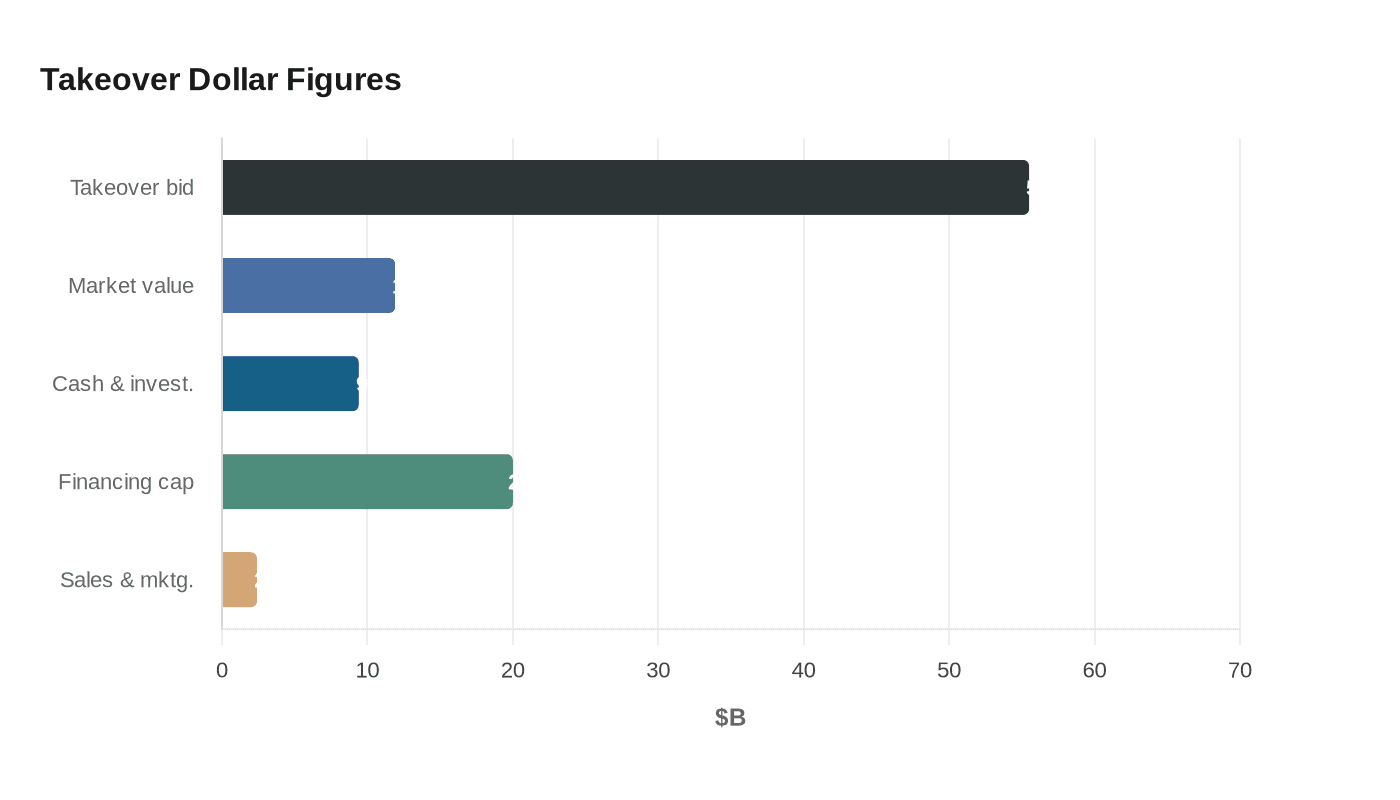
GameStop tried to sell the combination as a strategic rewrite of e-commerce. It said its roughly 1,600 U.S. stores could function as drop-off, shipping, authentication and live-commerce sites, and it projected about $2 billion in annualized cost reductions within 12 months of closing. It also argued that eBay’s $2.4 billion in fiscal 2025 sales and marketing spending produced only about 1 million net active buyer additions, a sign, in GameStop’s view, that the marketplace needed a sharper edge against Amazon.
eBay, however, said it had not held talks with GameStop before the bid arrived and reviewed the offer with financial and legal advisers before rejecting it. The company’s stock rose more than 7% in premarket trading after the proposal became public, while GameStop fell nearly 3%, a sign that markets were already treating the takeover as a stretch. The feud was sharpened further when eBay permanently suspended Cohen’s account, saying his activity had put the community at risk; the account had 36 listings, including collectibles and GameStop-branded items. For all the meme-stock energy around Cohen, the episode showed how far a flashy headline can be from the discipline required in corporate control: funding, shareholder support, regulatory clearance and a believable path to closing.
This article was produced by Prism’s automated news system from verified source data, official records, and press releases, then run through automated quality and moderation checks before publishing. The system is built and supervised by the people who set the standards it runs under. Read our full AI policy.
Did this article answer your question?
%3Amax_bytes(150000)%3Astrip_icc()%2FCertificate-of-deposit-2301f2164ceb4e91b100cb92aa6f868a.jpg&w=1920&q=75)