Ebola kills newborn in Congo orphanage, stoking fears for children
A newborn died of Ebola at a Bunia orphanage, while five other infants were cleared and one baby remained hospitalized.
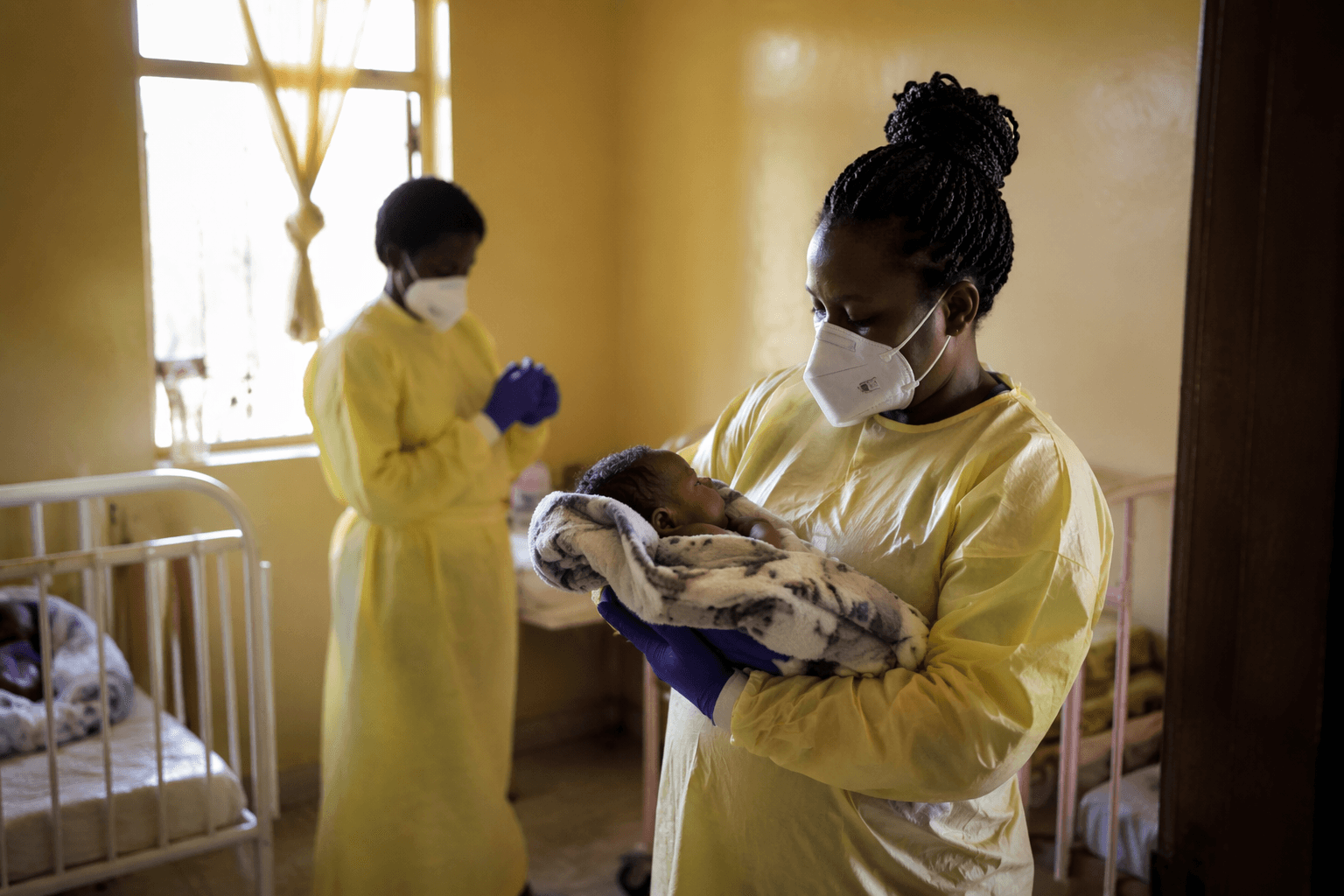
A newborn’s death in a church-run orphanage in Bunia has put Congo’s Ebola response under a harsh spotlight: when infection reaches babies, the virus can move quickly through the people closest to them. Baby Buswaza was brought to the orphanage after her mother died in late May, and the nuns quickly noticed she had a fever. Within days, she was dead, and later testing showed Ebola was the cause.
The orphanage cares for 69 children, a setting where diaper changes, feeding and constant holding can make containment far harder than in an adult ward. After Buswaza died, six other infants were identified as suspected cases and taken to hospital. Five later tested negative and were discharged Tuesday from an isolation tent at the Evangelical Medical Centre, where medical staff in full protective gear escorted them back to the nuns. One baby remained hospitalized with confirmed Ebola, and medics said her condition had worsened.
The danger extends beyond the children. Reuters reported that one of the nuns from the orphanage was infected, and that three carers, including the nun, had tested positive. Ebola is not spread through the air, but through direct contact with infected bodily fluids or contaminated objects, which is why a child-care setting can become a flashpoint when caregivers are exposed to vomit, feces or saliva. In crowded homes and orphanages, one sick infant can seed a chain of transmission that is difficult to stop.
The outbreak has already spread across eastern Congo, with confirmed cases in Ituri, Nord-Kivu and Sud-Kivu provinces, and related cases reported in Uganda, including Kampala. The United Nations said June 8 that confirmed cases had reached 515 across three eastern provinces. The World Health Organization says this is Congo’s 17th Ebola outbreak since the virus was identified in 1976, and that it is unfolding in a difficult environment marked by humanitarian crisis, insecurity, and heavy population and trade movement.

Health officials are also confronting a particularly worrying strain: Bundibugyo virus, for which there is no licensed vaccine or specific treatment. WHO Africa said the outbreak was declared a public health emergency of international concern on May 17, 2026, and teams have been scaling up surveillance, contact tracing, clinical preparedness, supply delivery and community engagement. For Congo’s responders, the orphanage case is a reminder that children are often the hardest to protect, especially where conflict, displacement and fragile care networks collide.
This article was produced by Prism’s automated news system from verified source data, official records, and press releases, then run through automated quality and moderation checks before publishing. The system is built and supervised by the people who set the standards it runs under. Read our full AI policy.
Know something we missed? Have a correction or additional information?
Submit a Tip