Study finds speech learning depends more on sensory brain regions
A McGill-Yale study found speech memories held up when sensory brain regions were intact, but not when the motor cortex was disrupted.

Speech therapy, stroke rehabilitation and language-learning research may need to look beyond the brain’s motor centers after a McGill University and Yale School of Medicine study found that auditory and somatosensory regions were more important than the motor cortex for holding on to new speech patterns. In the experiment, disrupting either sensory area made it harder for participants to retain altered speech after 24 hours, while disrupting the motor cortex did not have the same effect.
The paper, titled Sensory basis of speech motor learning and memory, was published in Proceedings of the National Academy of Sciences and lists Nishan Rao, Rosalie Gendron, Timothy Manning and David Ostry as authors. The article was received on September 10, 2025, accepted on February 28, 2026, and published in 2026 under DOI 10.1073/pnas.2525468123.
Researchers first used altered auditory feedback to nudge participants into adapting their speech in real time. They then applied transcranial magnetic stimulation, or TMS, to the auditory cortex, somatosensory cortex and motor cortex, creating a direct test of which brain systems mattered most for speech learning and memory. Yale’s summary says the disruption of the auditory or somatosensory cortex impaired retention, while the motor cortex disruption did not produce the same result.
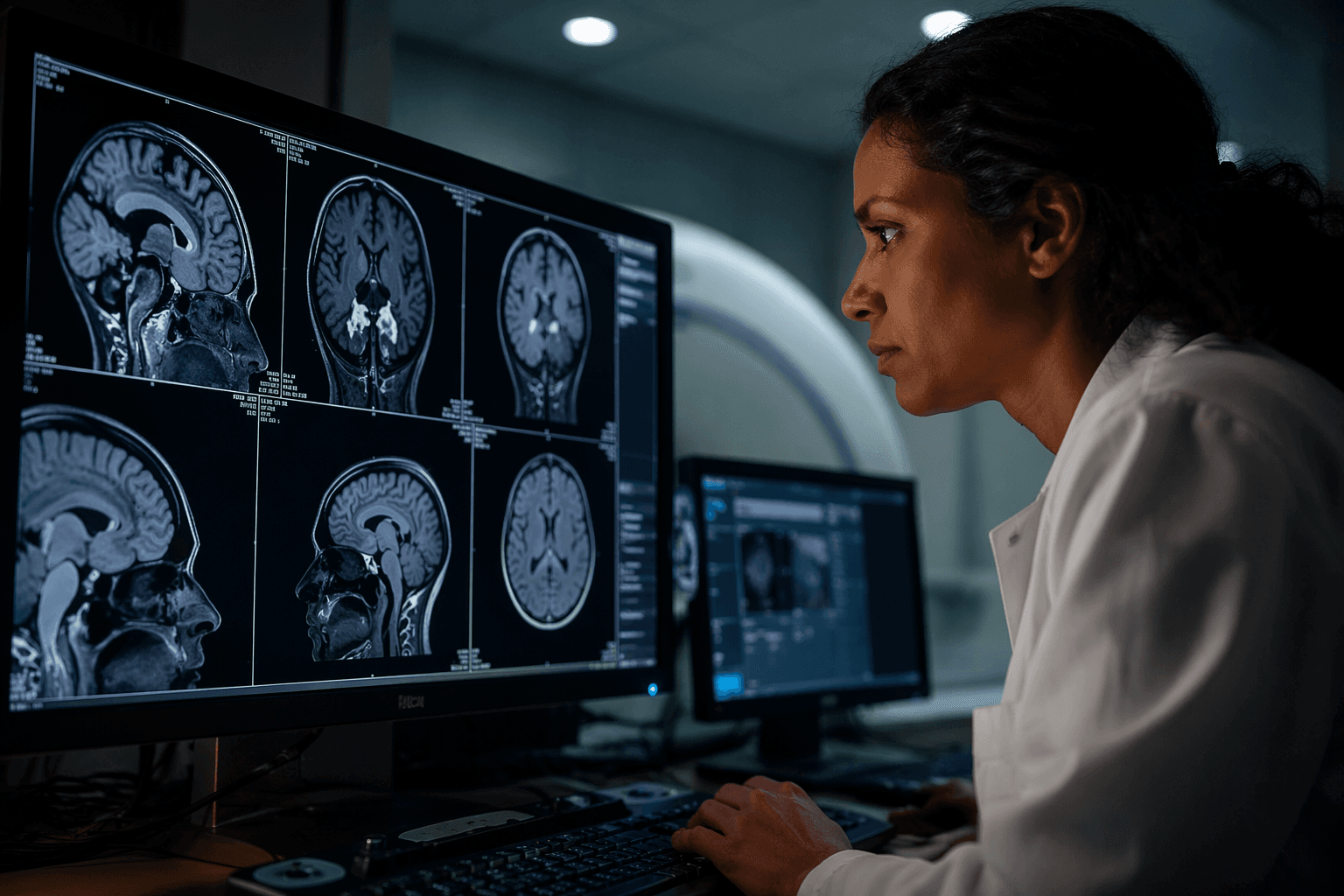
David Ostry, a professor at McGill, said the work shows that “human speech learning is extensively sensory in nature.” Rao said the findings challenge the assumption that new speech memories rely only on motor areas. The result aligns with earlier work from Ostry’s lab, which has examined how altered auditory feedback shapes speech motor learning and how speech production is guided by both auditory and somatosensory targets. McGill’s Motor Control Lab says its research has long focused on the role of somatosensory inputs in speech production and perception.
The implications reach into clinical and technological work that depends on speech control. Yale says the findings may help inform rehabilitation after stroke or brain injury and could improve brain-computer interfaces by underscoring the role of sensory cortical activity in movement control. McGill said the work could also affect speech processing and recognition technologies, while ScienceDaily noted possible use in future brain-speech systems designed to restore communication after stroke. The study was funded by the U.S. National Institute on Deafness and Other Communication Disorders.
This article was produced by Prism’s automated news system from verified source data, official records, and press releases, then run through automated quality and moderation checks before publishing. The system is built and supervised by the people who set the standards it runs under. Read our full AI policy.
Know something we missed? Have a correction or additional information?
Submit a Tip