Ebola outbreak in Congo likely far larger than official counts suggest
Congo’s Ebola counts are still moving, but responders say conflict and weak surveillance are masking the true size of the outbreak.
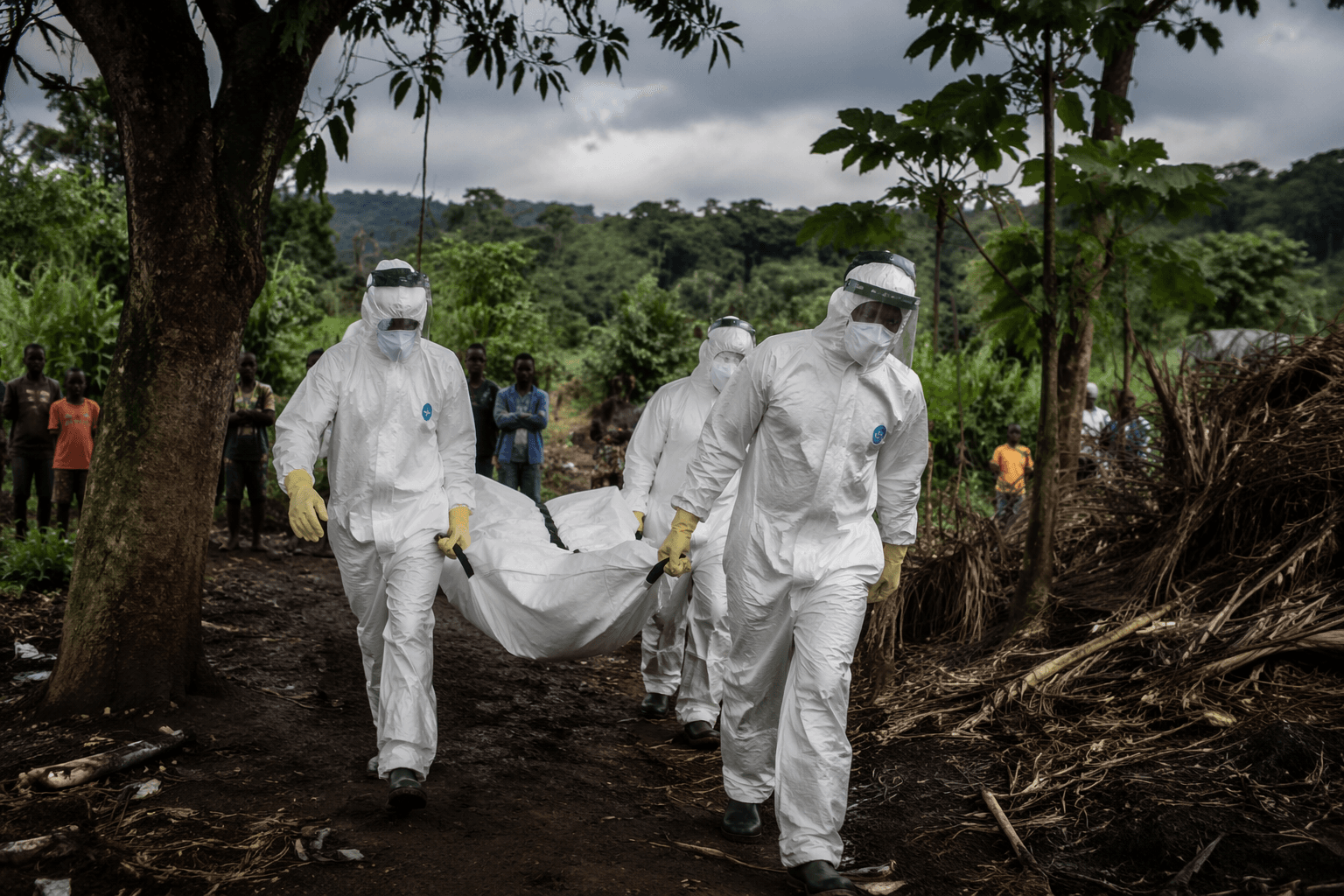
The hardest number to pin down in Congo’s Ebola outbreak is the most important one: how many people are actually sick. Official tallies in the three affected provinces have reached 782 confirmed cases and 181 deaths, but aid groups and health workers say those figures almost certainly lag behind the real toll.
Doctors Without Borders emergency coordinator Kate White put the uncertainty bluntly: "no one knows the true scale or exactly where the disease is spreading." That gap matters because the outbreak has already become the Democratic Republic of the Congo’s 17th Ebola outbreak since the virus was first identified in 1976, and it is spreading through a region where conflict, displacement and mistrust are making surveillance difficult.
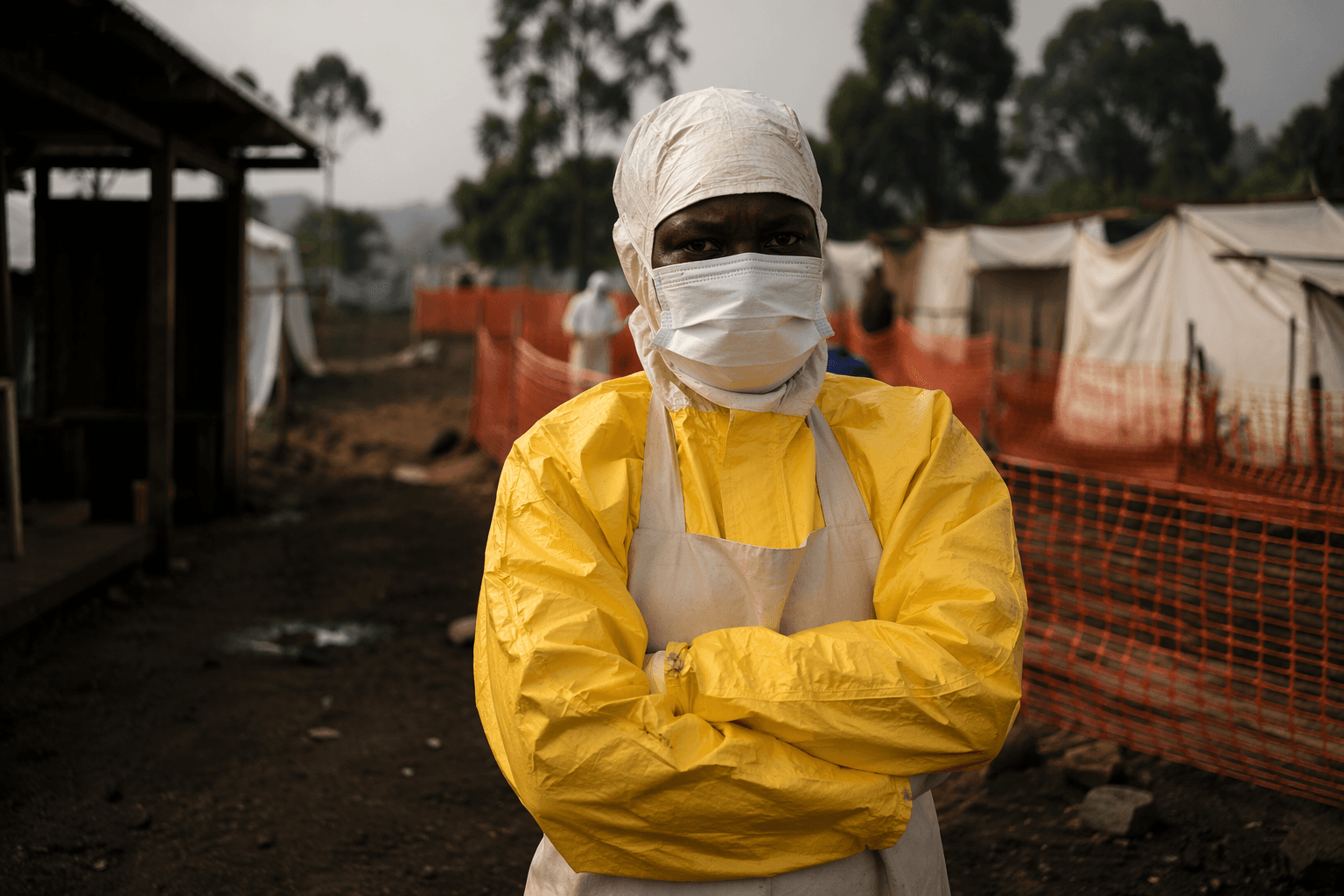
The outbreak first reached the World Health Organization on 5 May as a high-mortality unknown illness in Mongbwalu Health Zone, Ituri Province, with deaths among health workers. Congo and Uganda declared Ebola outbreaks on 15 May after laboratory confirmation of Bundibugyo virus disease, a strain for which WHO says there is no licensed vaccine or specific therapeutic, although early supportive care can save lives. WHO said the virus’s two previous Bundibugyo outbreaks had case fatality rates of 30% to 50%.
By 29 May, WHO said the outbreak had spread across 13 health zones in Ituri, North Kivu and South Kivu, and that part of the rise in confirmed cases reflected expanded testing and a backlog of samples that had not yet been cleared. WHO also said the reported fatality rate likely understated reality because many deaths that occurred before the outbreak was declared were still under investigation.
The central problem is not just access to tests. Laboratories, hospitals, treatment centers and surveillance teams are collecting information in different ways, and the data are hard to reconcile in a fast-moving outbreak. In active conflict areas, many communities still lack test kits, and some treatment centers are waiting too long for lab results to confirm infections. A Congolese public health official said the mismatch among overlapping data streams can produce both undercounts and overcounts when patients cross health zones or are tested more than once.
One of the clearest warnings came from Nizi health zone, where one doctor said the area had logged 19 positive cases and 17 deaths since the outbreak was declared, while a later national situation report listed only 11 cases and one death there. That kind of discrepancy shows why the true scale may still be hidden, and why contact tracers and treatment teams keep chasing a moving target.
This article was produced by Prism’s automated news system from verified source data, official records, and press releases, then run through automated quality and moderation checks before publishing. The system is built and supervised by the people who set the standards it runs under. Read our full AI policy.
Know something we missed? Have a correction or additional information?
Submit a Tip