Report exposed staffing and culture concerns in Nottingham maternity units
A 2016 report flagged staffing, culture and safety failures in Nottingham maternity care days before Harriet Hawkins was stillborn.
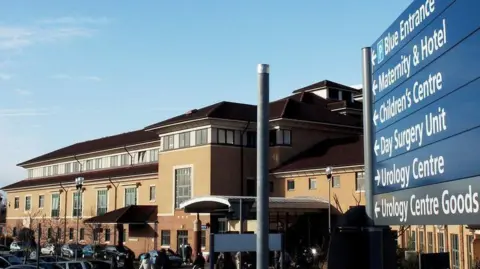
A previously unpublished 2016 report shows that serious warnings about Nottingham maternity care were already on the table years before the scandal reached a national reckoning. The document, completed days before Harriet Hawkins was stillborn, described a service under pressure from unsafe workload, poor culture and questionable decisions about how women were assigned to midwives.
The review covered Nottingham City Hospital between December 2015 and March 2016 and was completed on 30 March 2016. A workplace psychologist interviewed 49 staff members anonymously, including doctors and midwives, after letters to staff and what inspectors described as unusual behaviour on the unit, including an empty energy drink can in a clean delivery room and butter smeared around the top of a birthing pool.
The report praised the remarkable commitment of staff, but it also laid bare a service where warning signs were piling up. Workers described immense pressure and said they were mildly to moderately short-staffed all the time. One staff member went further, suggesting the labour suite should be closed rather than kept open unsafely.
It also raised alarm about how patients were allocated to midwives, including newly qualified midwives being given high-risk cases. The report noted repeated accounts of senior staff belittling junior colleagues, a pattern that points to more than isolated bad behaviour. It suggests a workplace culture in which concerns could be seen but not acted on with enough force to change practice before harm occurred.
Donna Ockenden, who is leading the independent review of maternity services at Nottingham University Hospitals NHS Trust, has said there were many concerns known about when Harriet Hawkins lost her life. That question now hangs over the review itself: who knew what, when, and why earlier warnings did not trigger meaningful intervention.
The Ockenden Maternity Review began in September 2022 and is now expected to publish its findings on 24 June 2026, after being pushed back from a planned September 2025 release because more families joined. NUH says its maternity services care for more than 8,000 women every year, and the review has been described as the largest independent maternity review of its kind in NHS history. Earlier reporting put the number of cases under examination at about 2,297, while other accounts have put it at around 2,500.
The wider crisis first drew national attention in 2021. In February 2025, the Care Quality Commission prosecuted Nottingham University Hospitals NHS Trust, which pleaded guilty to six charges and was ordered to pay £1,667,944 over failures to provide safe care and treatment in the cases of baby Adele O’Sullivan, baby Kahlani Rawson and baby Quinn Lias Parker. NHS England set up the current independent review because of deep concerns about the quality and safety of maternity services and the fears of local families after a previous regionally led review was replaced.
This article was produced by Prism’s automated news system from verified source data, official records, and press releases, then run through automated quality and moderation checks before publishing. The system is built and supervised by the people who set the standards it runs under. Read our full AI policy.
Know something we missed? Have a correction or additional information?
Submit a Tip