Ebola outbreak in Uganda and Congo raises global health alarm
A rare Bundibugyo Ebola outbreak has reached 896 cases in Congo and 19 in Uganda, highlighting a vaccine gap even as U.S. risk stays low.

Even without a single confirmed U.S. case, the Bundibugyo Ebola outbreak in central Africa is a reminder that global health security is only as strong as the weakest clinic, border crossing and contact-tracing network. By June 18, the Democratic Republic of the Congo had reported 896 confirmed cases and 232 deaths, while Uganda had 19 confirmed cases, two deaths and one probable fatality, with the virus still moving through remote areas near the frontier.
The outbreak was first confirmed in May in both countries, after the Congo declared its 17th Ebola outbreak and Uganda identified an imported case from the Congo in Kampala. The World Health Organization escalated the event to a Public Health Emergency of International Concern on May 17, and Africa CDC followed with a continental emergency declaration the next day. WHO has said the spread is unfolding in a difficult setting marked by humanitarian crisis, insecurity and remote, densely populated areas.
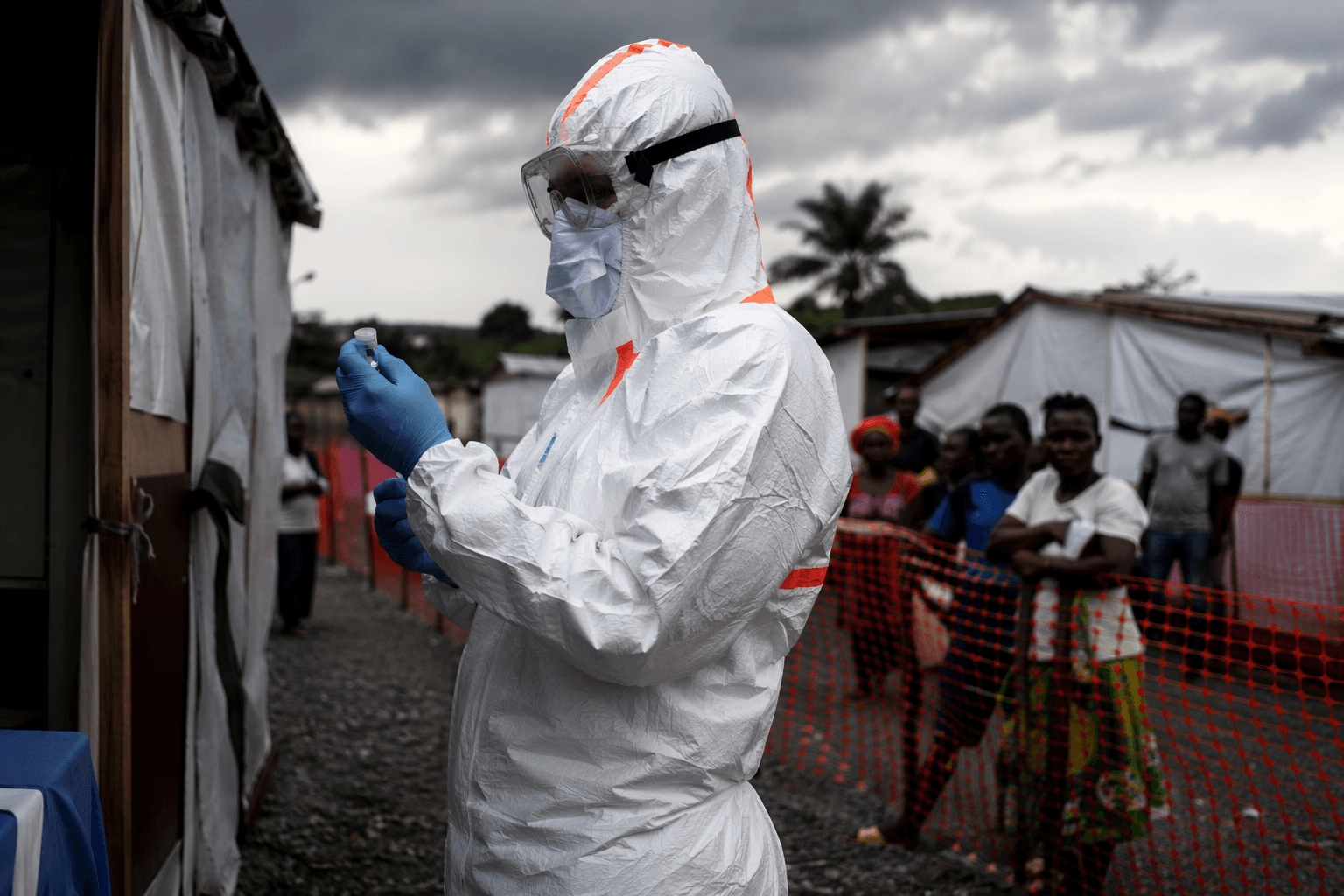
What makes this outbreak especially concerning is the strain itself. Bundibugyo virus disease is a type of Ebola, but it is not the strain covered by the licensed Ebola vaccine widely used against Ebola virus disease. WHO says there is no licensed vaccine or specific treatment for Bundibugyo virus disease, while CDC says the FDA-approved vaccine for Ebola virus disease is not considered effective for the 2026 Bundibugyo outbreak. WHO has issued emergency guidance on whether Ervebo could offer any cross-protection, but the basic response still depends on isolation, contact tracing and supportive care.
That gap matters far beyond Africa. CDC said on June 18 that the overall risk to the American public and travelers remains low and that no cases have been confirmed in the United States, but it also said it is responding in remote parts of the Congo and Uganda. The contrast with the 2014 to 2016 West African epidemic, which CDC says caused nearly 29,000 cases, explains why even a geographically limited outbreak can still trigger global alarm. The lesson after COVID-19 is not that the world lacks warnings; it is that warnings still arrive faster than the systems built to contain them.
This article was produced by Prism’s automated news system from verified source data, official records, and press releases, then run through automated quality and moderation checks before publishing. The system is built and supervised by the people who set the standards it runs under. Read our full AI policy.
Did this article answer your question?