ECB in Focus as Markets Price Possible 2026 Rate Hike
Traders and analysts are scrutinizing the European Central Bank ahead of its policy meeting next week, with the bank widely expected to hold rates but markets increasingly pricing a possible move in 2026. The debate matters because any divergence from the U.S. Federal Reserve could reshape currency flows, bond spreads and investor positions across global markets.
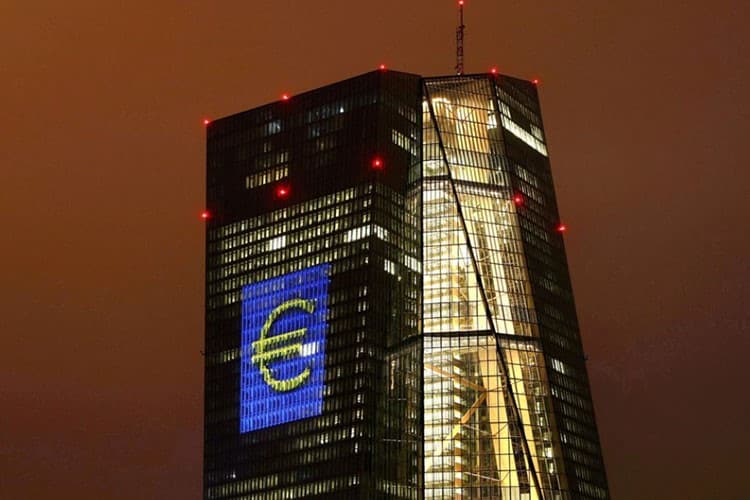
Markets entered the weekend braced for a steady hand from the European Central Bank, even as investors step up bets on a potential tightening in 2026. The ECB is widely expected to leave its key rate at 2 percent and to keep what forecasters call “all three key policy rates unchanged” at the policy meeting Reuters noted was due “next Thursday.” That would mark a fourth straight meeting without a change in the official rate.
The near term pause that markets expect is being framed against a firmer economic backdrop. Since the October meeting incoming data has surprised to the upside, with growth stronger than many forecasters anticipated and inflation proving stickier in parts of the euro area. Those developments have prompted traders to price the possibility of a rate increase in 2026, a shift underscored by Reuters observation that policymakers have “taken further cuts off the table.” In turn, a more hawkish trajectory by the ECB would alter interest rate differentials at the heart of global asset allocation decisions.
Institutional dynamics at the central bank are another focal point for investors. Reuters flagged governance considerations as material, saying “the next three seats are more important and include the presidency.” While the process of board composition is not widely expected to immediately change policy, market attention is turning to how internal council dynamics will shape messaging and the timing of any future moves. Jens Eisenschmidt, Morgan Stanley’s chief Europe economist, said President Lagarde “had given the ECB Governing Council a stronger voice than in the past, taking on more of a moderating role among her peers.” That framing suggests any shift toward tightening could be gradual and carefully managed.
The tone of public remarks from Governing Council members will therefore be scrutinized for nuance rather than headline changes. Deputy Governor Clare Lombardelli “struck a more cautious tone,” according to Fxstreet, “noting that some upside risks to inflation remain and arguing that the pace of cuts may need to slow as the BoE nears the end of its current cutting cycle.” Investors will parse similar language for clues about the balance of risks heading into 2026.

Market implications extend beyond euro area bond yields. Analysts note that an ECB that remains firmer relative to a U.S. Federal Reserve that many expect to ease would widen global rate differentials and could support the euro against major peers, including sterling. Fxstreet pointed to muted FX volatility ahead of the meeting but said firmer rhetoric has underpinned speculation that the next policy move could be a hike. Traders will watch the meeting statement for forward guidance, any signaling from council members and developments at the Fed that could confirm or unwind bets on a 2026 rate increase.
For now the story for investors is clear. The decision next week may be a hold, but the commentary around that decision will determine whether markets keep pricing a future tightening or begin to retreat from the possibility of higher rates in 2026.
This article was produced by Prism’s automated news system from verified source data, official records, and press releases, then run through automated quality and moderation checks before publishing. The system is built and supervised by the people who set the standards it runs under. Read our full AI policy.
Did this article answer your question?

