Ecuador launches U.S.-backed offensive to choke cocaine transit through its ports
Ecuador began joint operations with U.S. Southern Command this week to target gangs Washington labeled terrorists, citing heavy cocaine flows and rising deadly cartel violence.
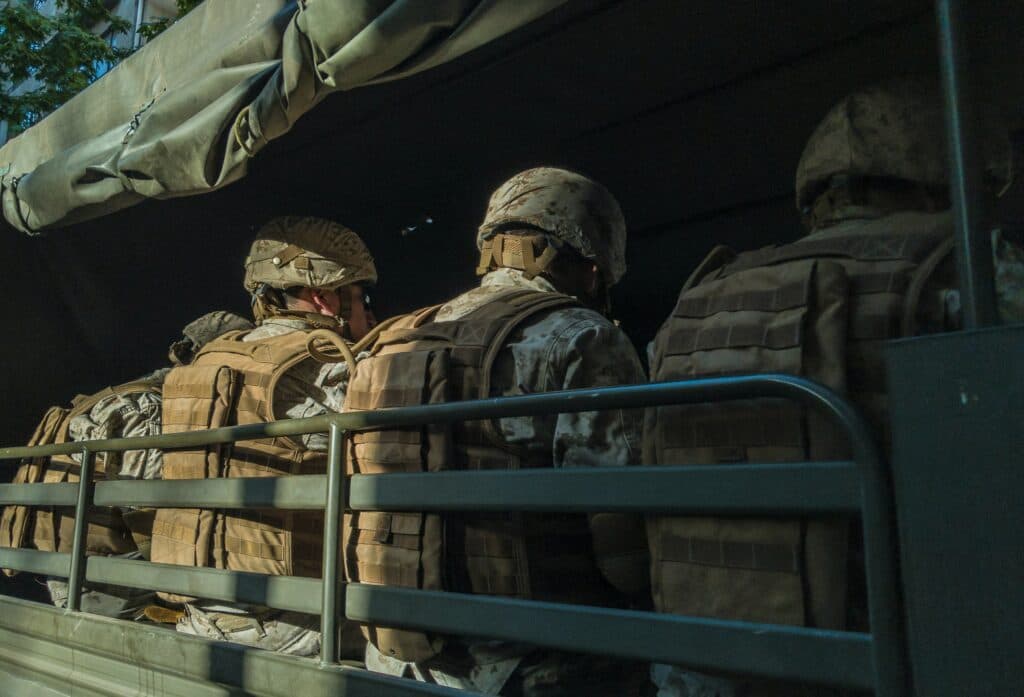
Ecuador began joint anti-drug operations with the U.S. Southern Command this week as President Daniel Noboa moves into what he called a "new phase" in the government's war on cartels. The action, announced after high-level meetings in Quito, targets gangs that Washington has designated as foreign terrorist organizations and aims to disrupt cocaine flowing through Ecuador's ports and coastlines.
SOUTHCOM framed the mission as confronting "narco-terrorism," posting that "the operations are a powerful example of the commitment of partners in Latin America and the Caribbean to combat the scourge of narco-terrorism." The command further said, "Together, we are taking decisive action to confront narco-terrorists who have long inflicted terror, violence, and corruption on citizens throughout the hemisphere." President Noboa posted on X that "In March, we will conduct joint operations with our regional allies, including the United States."
Washington has designated at least two Ecuadorian gangs, Los Choneros and Los Lobos, as "foreign terrorist organizations" in September, and SOUTHCOM's involvement signals an escalation from intelligence sharing to kinetic interdiction and coordinated operations. Ecuador's Defense Ministry confirmed the joint operations were under way and described them as "offensive" while declining to release further details, saying specifics were classified.
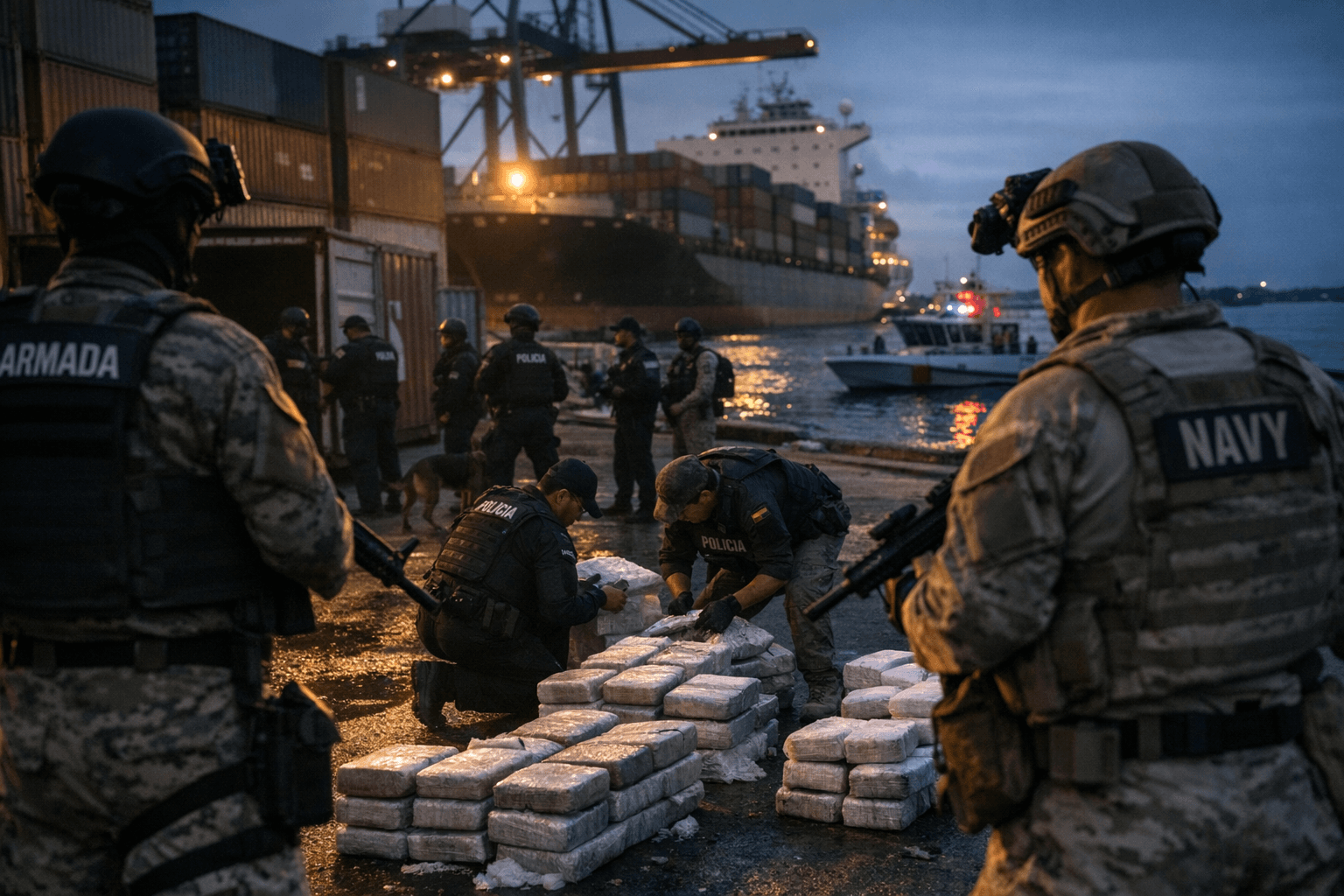
The operational pivot responds to a sharp rise in violence and to Ecuador's growing role as a transit hub in the Western Hemisphere drug trade. Reporting by regional outlets has estimated that around 70 percent of the cocaine produced in Colombia and Peru now moves through Ecuador en route to the United States and Europe. That volume concentrates cartels' logistics on Ecuadorian ports and maritime routes, raising security risks for commercial shipping, port workers, and coastal communities and increasing pressure on insurance and freight operators that serve the region.
Noboa met in Quito with Francis Donovan, chief of U.S. Southern Command, and Mark Schafer, head of U.S. Special Operations for Central and South America and the Caribbean, to coordinate information sharing and operations at airports and seaports. The talks follow a December temporary deployment of U.S. Air Force personnel to facilities at Manta, the port town that hosted a former U.S. forward operating location; historical analyses note that a U.S. presence there previously bolstered surveillance and reconnaissance but did not eliminate entrenched organized-crime networks or the socioeconomic drivers of trafficking.
The decision comes amid domestic political friction. Noboa, described in reporting as a close ally of U.S. President Donald Trump, had pushed to reopen a former U.S. base but was rebuffed when Ecuadorians voted in a November referendum against overturning a ban on foreign military bases. That public resistance complicates long-term basing or permanent U.S. footprints, even as Quito accepts tactical cooperation.
Key facts remain withheld: the Defense Ministry has classified operational details, the legal authority governing any U.S. forces in Ecuador has not been disclosed, and there are no public figures yet for seizures, strikes, or casualties. Analysts point to a structural constraint that military operations alone cannot resolve: Army studies underline that surveillance, training, and reconnaissance help interdiction but must be paired with social and economic policies to reduce trafficking's root causes.
For citizens and regional markets, the immediate test will be whether the joint operations reduce maritime flows and cartel violence without provoking political backlash. Journalists and officials will be seeking the U.S. designation orders for Los Choneros and Los Lobos, operational readouts from SOUTHCOM, and data on interdictions to measure whether the "new phase" yields measurable results.
This article was produced by Prism’s automated news system from verified source data, official records, and press releases, then run through automated quality and moderation checks before publishing. The system is built and supervised by the people who set the standards it runs under. Read our full AI policy.
Did this article answer your question?