Edward Stourton reflects on 45 years in broadcasting and health scare
Edward Stourton marked 45 years in broadcasting, from founding Channel 4 News to a decade on Today. He later spoke about prostate cancer, saying, "My wife was planning my funeral."
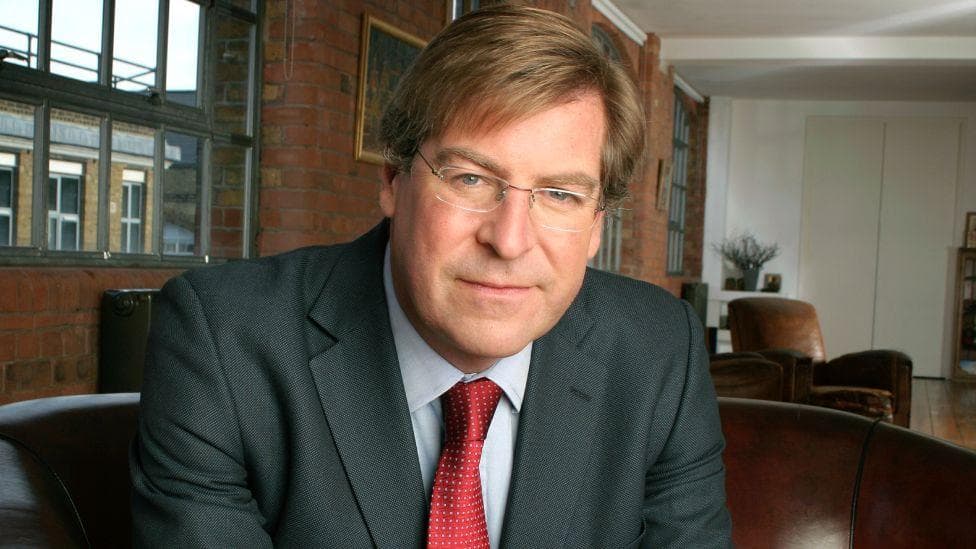
St Mary’s University said Edward Stourton had worked in broadcasting for 45 years when it scheduled him for an interview and Q&A in Twickenham on Wednesday 18 September. That span runs from the founding era of Channel 4 News to a decade as host of BBC Radio 4’s Today, placing Stourton among the broadcasters who helped define the public-service style of national debate.
BBC Radio 4’s archive lists Stourton as a presenter of The World at One, The World This Weekend, Sunday and Analysis, along with a regular contribution to The World Tonight. That line-up matters because it shows how much of his career was built inside Radio 4’s old appointment-to-view culture, when listeners followed fixed slots for politics, current affairs and late-breaking analysis rather than finding snippets in a feed. Stourton’s work was not limited to one flagship programme but spread across the schedule that once stitched together the BBC’s daily argument with itself.

His tenure on Today ended in 2008, when The Guardian reported on 12 December that he was to leave after 10 years and be replaced by Justin Webb. The BBC said he would continue presenting until Webb returned from Washington, a handover that reflected the careful, institutional way Radio 4 managed its biggest voices. A later Guardian page described Stourton as devastated to be sacked from the programme, underlining how sharply those public roles could turn even for established presenters.
Stourton’s health scare brought a more personal note to that long public career. In a Telegraph interview headline, after he was diagnosed with prostate cancer, he said: "My wife was planning my funeral." The line captured the shock of a presenter whose professional life had been built on asking difficult questions of others, then finding himself confronting his own mortality in public.
That combination of longevity, authority and vulnerability helps explain why Stourton belongs to a vanishing generation of broadcast journalists. He came up through a BBC and Channel 4 landscape in which a small group of presenters could shape the national conversation across radio and television. Today’s news cycle is faster, more fragmented and more platform-driven, but Stourton’s career still reads as a record of the older model, when public-service interviewing and fixed radio appointments could hold attention long enough to set the terms of debate.
This article was produced by Prism’s automated news system from verified source data, official records, and press releases, then run through automated quality and moderation checks before publishing. The system is built and supervised by the people who set the standards it runs under. Read our full AI policy.
Did this article answer your question?