EEOC reviews reverse-discrimination complaint against The New York Times
The EEOC has routed a Times reverse-discrimination complaint to its legal unit, a sign the case could become a test of how far DEI backlash reaches. It follows a Supreme Court ruling easing majority-group claims.
A reverse-discrimination complaint tied to The New York Times has moved into the Equal Employment Opportunity Commission’s legal unit, putting one of the country’s most prominent news organizations at the center of a widening legal pushback against workplace diversity efforts.
The employee’s complaint was filed in July 2025 with the EEOC’s New York office, according to a person familiar with the matter. The recent referral to the agency’s legal unit does not itself mean the commission has found wrongdoing, but it does signal that EEOC lawyers are now reviewing whether to pursue the matter further, either as a lawsuit on behalf of the original complainant or as a broader civil-rights case brought by the agency itself.
Danielle Rhoades Ha, a spokeswoman for The New York Times, called the allegations politically motivated and said the company categorically rejects them. The Times has long presented itself as an equal opportunity employer and says in its company materials and 2024 diversity report that fostering an inclusive workplace is a core priority.
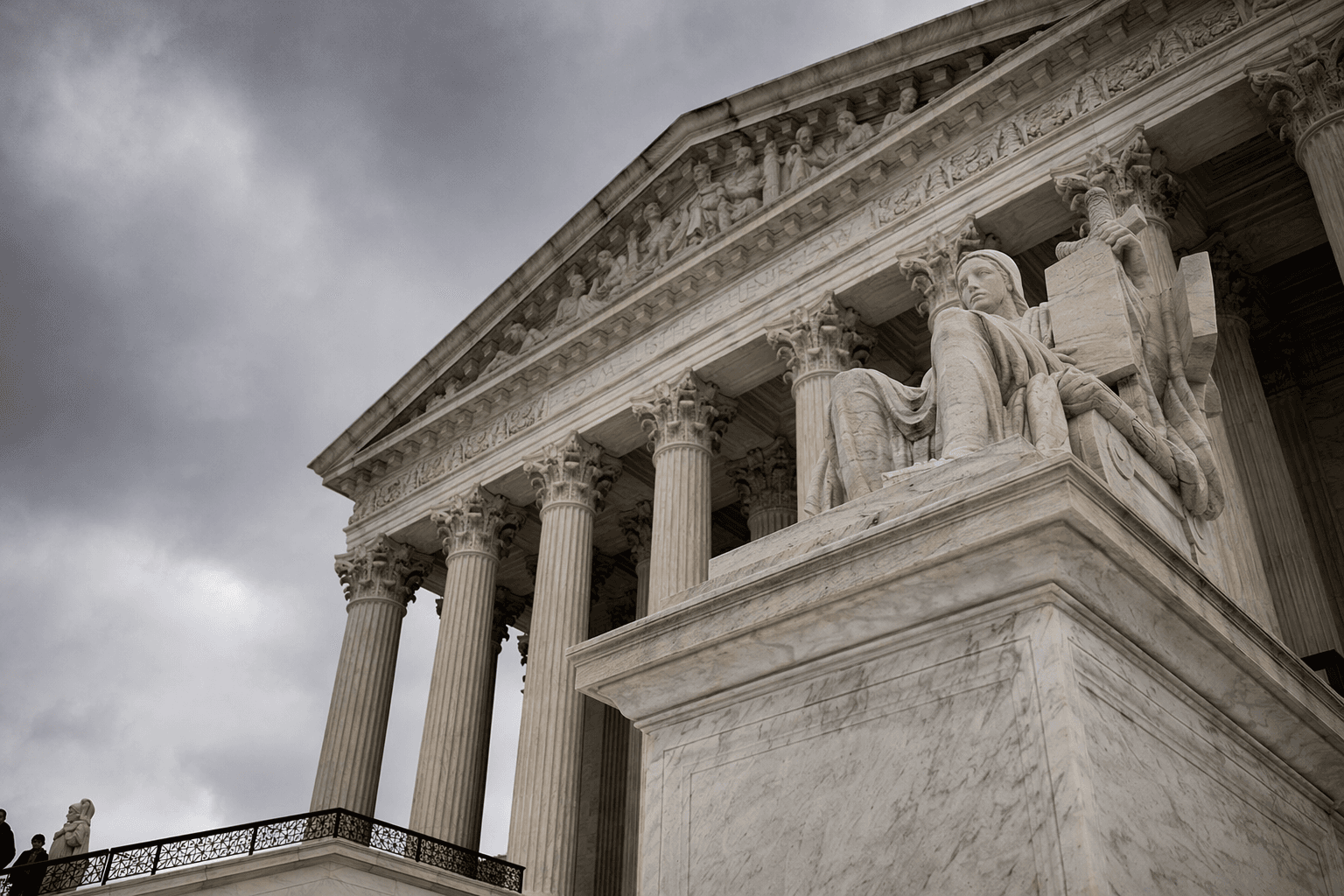
The timing gives the complaint national significance beyond one newsroom. The U.S. Supreme Court unanimously ruled on June 5, 2025, in Ames v. Ohio Department of Youth Services, that reverse-discrimination plaintiffs are not subject to a heightened pleading standard. That ruling made it easier for workers from majority groups to press Title VII claims, and the EEOC’s current posture shows how quickly employers can find themselves defending those claims inside the agency and, potentially, in federal court.

The case also reflects the more aggressive stance taken by Andrea R. Lucas, who was designated EEOC chair on July 31, 2025 after serving as acting chair since January 20, 2025. Under Lucas, the commission has urged workers who believe they were discriminated against because they are white men to come forward and has publicly said DEI-related discrimination can include employment actions motivated in whole or in part by race, sex, or another protected characteristic.
For media companies and other white-collar employers, the complaint is a warning that DEI programs are now being scrutinized not only as internal policy choices but as potential legal liability. The EEOC has already moved against Nike in a subpoena-enforcement action alleging discrimination against white workers tied to DEI-related targets and objectives, a sign that the agency is prepared to press these cases beyond individual complaints.
That broader pattern is forcing employers to weigh inclusive hiring and promotion efforts against a new wave of legal exposure. In a climate where workplace equity programs can become litigation targets, the Times complaint may become one of the clearest tests yet of how far the backlash against DEI will reach.
This article was produced by Prism’s automated news system from verified source data, official records, and press releases, then run through automated quality and moderation checks before publishing. The system is built and supervised by the people who set the standards it runs under. Read our full AI policy.
Did this article answer your question?

